

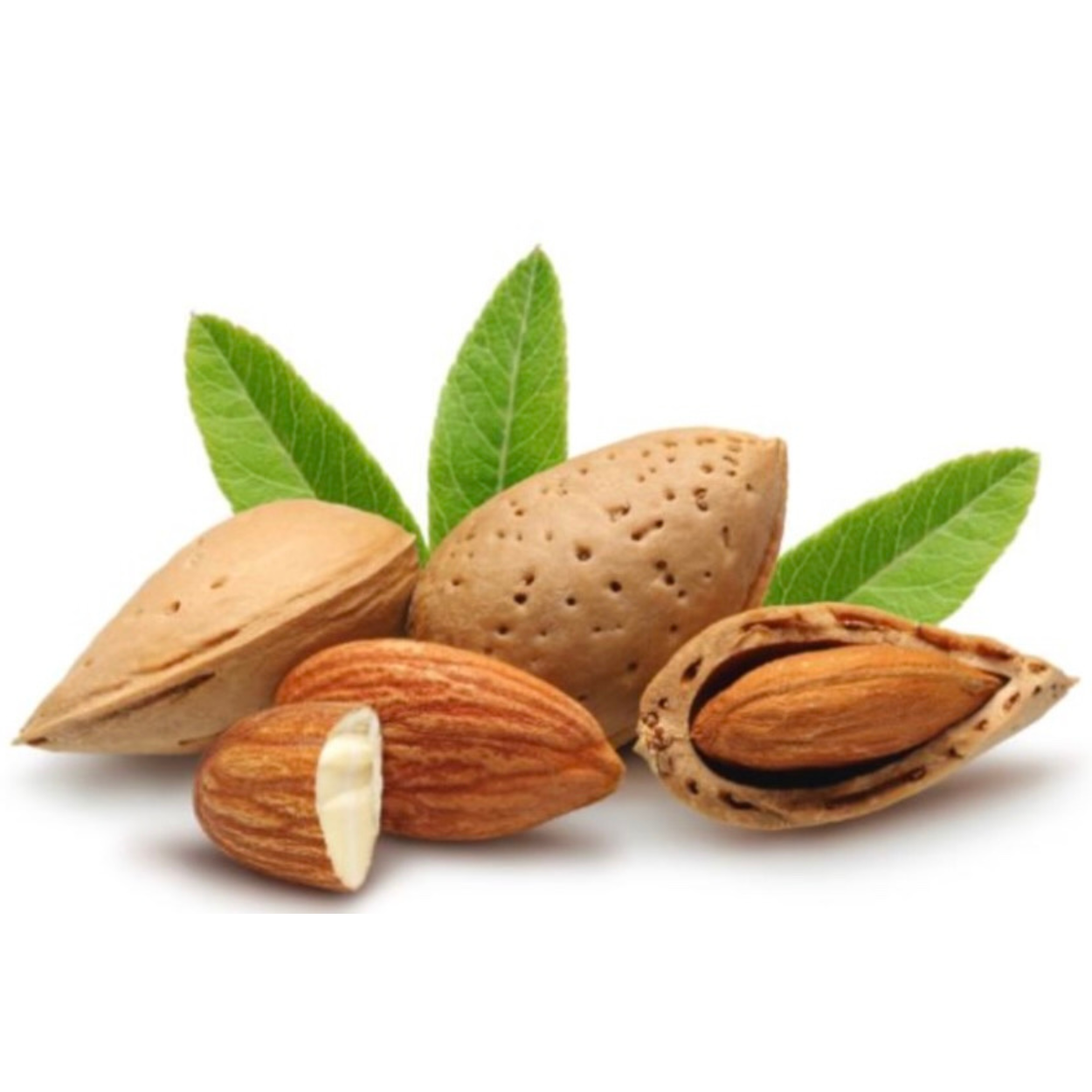

Sweet Almond Organic Oil (Prunus amygdalus var. dulcis) – South West Asia
€6.00
💰 VAT Included. 📦 Shipping calculated at checkout.
📦 🚚 Free nationwide delivery on orders over €60
Description
Sweet Almond Organic Oil
***Sweet Almond Organic Oil – History***
Sweet almond organic oil is extracted from the inner seeds (kernel) of the sweet almond, scientifically known as Prunus amygdalus var. dulcis. Native to Southwest Asia and the Middle East, particularly regions of present-day Iran and surrounding countries, almonds have been cultivated for thousands of years. Historical records trace their use back to 3000 BCE.
Sweet almond organic oil held high regard among Egyptian royalty, utilised in cosmetics and massage oils. Cleopatra was said to incorporate almond oil into her renowned skincare routines. During the Greco-Roman period, physicians such as Hippocrates and Galen documented almond oil’s treatment of skin conditions, wounds, and digestive issues. It found applications in scented body oils and therapeutic balms.
In India, sweet almond organic oil is known as “Badam Tail” and is valued for its nourishing and strengthening properties. It is commonly massaged into the scalp and body to enhance mental clarity, vitality, and skin health. Traditional Chinese Medicine employs sweet almond oil for its yin-nourishing qualities and to alleviate respiratory issues, including dry coughs and constipation.
During the 19th and 20th centuries, sweet almond oil spread westward through trade routes, becoming an integral part of Mediterranean and North African cultures. Its popularity surged in European apothecaries and cosmetic formulations. Advancements in cold-press extraction facilitated its widespread accessibility and global usage.
***Sweet Almond Organic Oil – Benefits***
Today, sweet almond organic oil is a staple in aromatherapy, skincare, and haircare, renowned for its gentle nature and compatibility with most skin types. It is non-irritating and mild, making it ideal for diluting essential oils. Its smooth texture makes it suitable for massage therapy, and it easily absorbs while providing sufficient slip for therapeutic massage. Sweet almond oil nourishes the skin during topical applications without leaving a heavy residue. Its light aroma does not compete with stronger essential oils.
Sweet almond organic oil locks in moisture without suffocating the skin. It is rich in antioxidants that help combat free radicals. Gently massaging almond oil under the eyes may reduce under-eye darkness and puffiness. It softens tissue, improves elasticity, and fades minor marks. Sweet almond oil soothes the skin and reduces inflammation. This oil does not clog pores easily (moderate comedogenic rating ~2). It is a natural source of vitamin E and fatty acids, making it ideal for maintaining healthy skin texture. Sweet almond oil is beneficial for dry, normal, and sensitive skin (use with caution for oily or acne-prone skin).
Sweet almond organic oil is commonly used in foundation and BB creams to add emollience and moisture. It is an excellent makeup remover, dissolving makeup gently, especially around the eyes. Sweet almond oil is also used in lip products (balms, glosses) due to its ability to add shine, soften lips, and prevent chapping. Sweet almond oil acts as a base oil in creams and lotions, providing skin-softening and hydrating benefits.
Sweet almond organic oil is particularly beneficial for dry, brittle, damaged hair, curly, and textured hair. It has the ability to lock in moisture, improving softness and shine. Sweet almond oil alleviates dryness, itchiness, and flaking, making it ideal for dry and flaky scalps. It also smoothes cuticles, resulting in silkier hair texture.
✅ 100% Pure Carrier Oil – ℮ 100ml / 3.38 fl. oz
✅ Vegan-friendly and Cruelty-free
***Botanical Name*** Prunus amygdalus var. dulcis
***Family*** Rosaceae
***Origin*** South West Asia
***Plant Part*** Dried kernels of sweet almonds
***Extraction Method*** Cold Pressed
***Aroma*** It has a faint, nutty, slightly sweet scent. Mild and non-intrusive.
***Colour*** Pale yellow
***Consistency*** Light – Medium
***Absorption*** Slightly oily feel, absorbs relatively well.
***Composition Highlights*** Sweet almond organic oil contains Oleic acid, Linoleic acid, Palmitic acid, Vitamin E, Vitamin A, Phytosterols and Polyphenols. While these are the primary constituents, the oil may also contain minor components in smaller quantities, with major impacts.
***Storage Conditions*** Store sweet almond organic oil in a cool, dark place away from direct sunlight to prevent oxidation.
***Shelf Life*** 1 – 2 years
⚠️Caution⚠️ While sweet almond organic oil is generally safe and well-tolerated, there are a few important cautions and considerations to keep in mind, especially for people with sensitivities or using it for the first time.
- ***Skin Irritation*** Sweet almond organic oil is considered safe for most people, but it may cause skin irritation or allergic reactions in some individuals, especially those with sensitive skin. It is best to patch test on a small area (e.g., on the inner arm) before applying to the face or body. This oil has a moderate risk of clogging pores for acne-prone or oily skin. Use sparingly on facial skin, especially if you’re prone to breakouts. Consider blending with non-comedogenic oils like jojoba. It’s safe on most dry or irritated areas, but skip open wounds or raw skin unless guided by a dermatologist. Avoid contact with eyes, inner ears, and sensitive areas.
- ***Pregnancy and Nursing*** Sweet almond organic oil is generally considered safe for pregnant and breastfeeding women, especially when used topically, in moderation, and with careful consideration of potential sensitivities. However, due to potential allergenicity, some midwives recommend caution or patch testing first. If blending with essential oils, always research each oil’s safety. If you’re ever unsure, run it by your healthcare provider — especially if you’re using carrier oils on larger skin areas or planning to use them regularly.
- ***Children*** While often used in baby massage, it may affect the skin barrier function in very young infants. Use with care and consult a paediatrician for infants under 6 months. Avoid using around the mouth or hands of infants who might ingest it. Keep out of reach of children and pets to prevent accidental ingestion or contact.
- ***Internal Use*** This is cosmetic-grade sweet almond organic oil, it is not meant for consumption. Bitter almond oil (from a different variety of the same species) is toxic if ingested—do not confuse with sweet almond organic oil. Only use food-grade almond oil from reputable sources and consult a healthcare professional.
- ***Medical Conditions*** While carrier oils are generally safe, some can potentially exacerbate certain medical conditions or interact with medications, especially when used in large amounts, internally, or on compromised skin. Carrier oils are unlikely to directly affect blood sugar, but internal use (e.g., in capsules) of certain oils could theoretically interact with diabetes medications or influence insulin sensitivity. If you’re using oils over large skin areas regularly, your liver and kidneys are involved in processing any compounds absorbed. People with impaired function might need to be cautious.
- ***Allergies*** Those with nut allergies should consult their medical practitioner before coming into contact with nut oils, butters or other nut products. Though rare, some people may experience redness, itching or rash. Always do a patch test (e.g., on the inner arm) before using it on larger areas or the face. Always discontinue use if you experience any signs of an allergic reaction.
***Note*** Although carrier oils have a longstanding history of use and are valued for their potential benefits, individual experiences may vary.
Additional information
| Directions For Use | There are many ways to enjoy the benefits of carrier oils. You can use one or more oils mixed together to make your own remedy. Topical Use (Skin & Hair) Massage Oil
Facial Use Hair & Scalp
|
|---|---|
| Carrier Oil Dilution Guide (for Essential Oils) | ***Essential oils should never be applied directly to the skin without dilution. Carrier oils make them safe to use*** When mixing essential oils with a carrier oil, the percentage of dilution depends on who you're using it for and the purpose. Here's a simple breakdown: * 0.25% to 0.5% dilution: Ideal for infants under 2 years old. Use 1 to 2 drops of essential oil per tablespoon (15 mL) of carrier oil. ***Note*** One tablespoon equals about 15 mL, and 1 mL equals about 20 drops (depending on the dropper), so this helps when scaling recipes. |
Related products
-
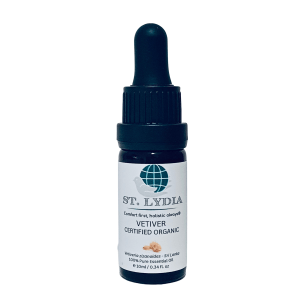
Vetiver Organic Essential Oil (Vetiveria zizanioides / Chrysopogon zizanioides) – Sri Lanka
Price range: €25.00 through €180.00Vetiver Organic Essential Oil (Vetiveria zizanioides / Chrysopogon zizanioides) – Sri Lanka
💰 VAT Included. 📦 Shipping calculated at checkout.
📦 🚚 Free nationwide delivery on orders over €60
Price range: €25.00 through €180.00 -
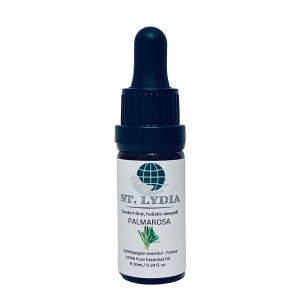
Palmarosa Natural Essential Oil (Cymbopogon martinii) – France
Price range: €10.00 through €77.00Palmarosa Natural Essential Oil (Cymbopogon martinii) – France
💰 VAT Included. 📦 Shipping calculated at checkout.
📦 🚚 Free nationwide delivery on orders over €60
Price range: €10.00 through €77.00 -
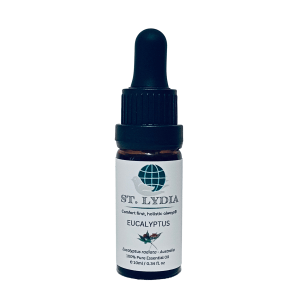
Eucalyptus radiata Natural Essential Oil (Eucalyptus radiata) – Australia
Price range: €7.00 through €54.00Eucalyptus radiata Natural Essential Oil (Eucalyptus radiata) – Australia
💰 VAT Included. 📦 Shipping calculated at checkout.
📦 🚚 Free nationwide delivery on orders over €60
Price range: €7.00 through €54.00 -
Frankincense Natural Essential Oil (Boswellia carterii) – Somalia
Price range: €18.00 through €140.00Frankincense Natural Essential Oil (Boswellia carterii) – Somalia
💰 VAT Included. 📦 Shipping calculated at checkout.
📦 🚚 Free nationwide delivery on orders over €60
Price range: €18.00 through €140.00

There are no reviews yet.