


Shea Nut Butter Organic Unrefined (Vitellaria paradoxa / Butyrospermum parkii) – Ghana
€7.00
💰 VAT Included. 📦 Shipping calculated at checkout.
📦 🚚 Free nationwide delivery on orders over €60
Description
Shea Nut Butter Organic – Unrefined
***Shea Nut Butter Organic – Unrefined – History***
Shea butter, derived from the nuts of the African shea tree, scientifically known as Vitellaria paradoxa tree (formerly Butyrospermum parkii). Shea butter has a long and rich history rooted in West Africa, where the tree is native. Archeological evidence suggests it was traded as far back as 100 CE in places like ancient Egypt. In West African cultures, particularly among the Mandé, Mossi, and Bambara peoples, shea butter was—and remains—integral to daily life.
Shea nut butter is used for cooking, skin and hair care, medicinal purposes, and even as a waterproofing agent for homes. The extraction and production of shea butter is traditionally done by women, and it remains a crucial source of income for millions of African women. Virgin, unrefined shea butter is typically hand-extracted without the use of chemicals or high heat, preserving its nutrients.
During the colonial period, European powers began exporting shea butter to Europe for use in candles, soaps, and eventually cosmetics. It remained largely a niche product until the 20th century, when the global cosmetics and natural skincare industries recognised its moisturising and anti-inflammatory properties. In the 1990s and early 2000s, virgin, unrefined shea butter gained global popularity, particularly in organic and natural personal care products. Recognised for its high content of fatty acids (oleic, stearic) and vitamins A and E, it is now used widely in lotions, balms, and hair conditioners.
With rising demand, sustainability and ethical sourcing became important issues. Many cooperatives and fair-trade organisations were established to ensure women producers are paid fairly and that production remains environmentally friendly.
Unrefined shea butter refers to minimally processed shea butter, which retains more of its natural antioxidants, aroma, and colour. Today, it is widely used in cosmetics (lotions, creams, lip balms), food industry (especially in high-quality chocolate).
***Shea Nut Butter Organic – Unrefined – Benefits***
Shea nut butter, renowned for its rich composition of fatty acids, including oleic, stearic, and linoleic, provides profound hydration to dry and cracked skin. Its natural anti-inflammatory properties effectively alleviate conditions such as eczema, dermatitis, and sunburn. Its high vitamin A and E content supports skin regeneration, potentially diminishing the visibility of scars, stretch marks, and blemishes.
Shea nut butter’s ability to seal in moisture and protect against harsh weather and pollution, while remaining non-comedogenic for most skin types, contributes to its beneficial effects. Regular use has been associated with improved skin elasticity, potentially reducing the appearance of fine lines and wrinkles.
Shea nut butter has a rich, luxurious texture, it melts upon skin contact, providing an excellent glide for deep-tissue and relaxation massages. It supports muscle recovery and reduces inflammation when used in combination with essential oils during massage. It leaves the skin feeling deeply moisturised and rejuvenated post-massage. Shea butter is a versatile natural remedy for hair care. Its ability to penetrate the hair shaft allows it to soften, smooth, and strengthen dry or damaged hair.
Shea nut butter may alleviate itching, dryness, and flakiness on the scalp, potentially reducing dandruff. Shea butter also enhances natural shine, diminishes breakage, and smooths split ends. Its safety extends to all hair types, making it particularly beneficial for curly, coily, and textured hair.
Shea nut butter, a natural emollient, is an ideal ingredient for lip balms, salves, body butters, and facial moisturisers. Its unrefined form retains its complete nutrient profile, making it suitable for clean beauty and natural skincare brands. Shea butter serves as a stabilising base, aiding in the thickening and stabilisation of emulsions in creams, lotions, and balms. Its gentle nature makes it suitable for sensitive skin, baby products, and all-natural lines.
✅ 100% Pure Body Butter – 250g
✅ Vegan-friendly and Cruelty-free
***Botanical Name*** Vitellaria paradoxa / Butyrospermum parkii
***Family*** Sapotaceae
***Origin*** Ghana
***Plant Part*** Nuts
***Extraction Method*** Expeller Pressed
***Aroma*** It is has a natural, earthy, nutty aroma (dissipates after application)
***Colour*** Creamy beige to yellow
***Consistency*** Solid at room temperature; softens at body temperature.
***Absorption*** Absorbs quickly into the skin.
***Composition Highlights*** Unrefined shea butter contains Stearic acid, Palmitic acid, Oleic acid, Linoleic acid, and Arachidic Acid. While these are the primary constituents, the butter may also contain minor components in smaller quantities, with major impacts.
***Storage Conditions*** Store shea butter in a cool, dark place away from direct sunlight to prevent oxidation.
***Shelf Life*** 1 – 2 years
⚠️Caution⚠️ While shea nut butter is generally safe, there are key cautions and considerations when using shea butter, especially given its unrefined, potent nature:
- ***Skin Irritation*** Shea nut butter is considered safe for most people, but it may cause skin irritation or allergic reactions in some individuals, especially those with sensitive skin. It is best to patch test on a small area (e.g., on the inner arm) before applying to the face or body. Shea butter has a moderate comedogenic rating (about 0–2). Most people can use it safely on their face, but those with acne-prone or very oily skin might experience clogged pores. Use cautiously on facial skin if you’re prone to breakouts. Excessive heat can degrade its natural antioxidants and alter its therapeutic value. Always melt shea butter gently using a double boiler or low-temperature methods to preserve its quality. It is safe on most dry or irritated areas, but skip open wounds or raw skin unless guided by a dermatologist. Avoid contact with eyes, inner ears, and sensitive areas.
- ***Pregnancy and Nursing*** Shea nut butter is generally considered safe during pregnancy and breastfeeding, especially when used in small amounts, on intact skin, or as part of a routine for scars and stretch marks. Avoid application on the breast/nipple area if nursing, to prevent ingestion by baby. If blending with essential oils, always research each oil’s safety. If you’re ever unsure, run it by your healthcare provider — especially if you’re using shea butter on larger skin areas or planning to use them regularly.
- ***Children*** Topical use on children (especially over 2 years old) is generally considered safe in small amounts. However, because children’s skin is more permeable and more reactive, extra care must be taken. It is crucial to consult with a paediatrician or healthcare provider before using it, especially if a child has any underlying health conditions or is taking medications. A paediatrician can assess the child’s individual health needs and determine if shea butter is appropriate for use.
- ***Internal Use*** While food-grade shea butter is safe to eat, cosmetic-grade butters are not meant for ingestion. Never consume shea butter unless it is labeled as food-grade from reputable sources and consult with a healthcare professional before internal use.
- ***Medical Conditions*** Shea nut butter forms a semi-occlusive barrier on the skin. This can interfere with the absorption of some topical medications, such as corticosteroid creams, antibiotic ointments, prescription acne treatments (e.g., retinoids, benzoyl peroxide), and antifungal creams. Shea butter is generally well-tolerated and soothing for conditions like eczema or psoriasis. However, in severe or immunosuppressed cases (e.g., patients using biologics or immunosuppressants), always check with a doctor to avoid skin sensitivity or interactions with treatment protocols. Shea butter has minimal systemic absorption and no known direct interaction with anticoagulant medications (like warfarin). However, if blended with essential oils (like wintergreen or clove), it could increase bleeding risk due to enhanced absorption. Recommendation: Use pure shea butter only, or confirm safety of all ingredients if using with medications affecting blood clotting. It is crucial to consult a healthcare professional if unsure.
- ***Allergies*** Some individuals may experience allergic reactions to shea nut butter, symptoms may include skin irritation, itching, or rash. Natural shea butter contains trace amounts of natural latex. Individuals with a known latex allergy may experience a skin reaction. Always perform a patch test before widespread use, especially for those with known nut or seed allergies. Discontinue use if you experience any signs of an allergic reaction.
***Note*** Although body butters have a longstanding history of use and are valued for their potential benefits, individual experiences may vary.
Additional information
| Directions for Use – Solid Body Butter | How to Use: 1. Scoop a Small Amount:
2. Warm Between Palms:
3. Apply to Skin: 4. Let It Absorb:
|
|---|---|
| Body Butter Mixing Guide | Here's a body butter mixing guide to help you create a smooth, nourishing, and well-balanced blend: Basic Body Butter Formula (By Weight %) * 60-70% Butters (e.g., shea, cocoa, mango) * 20-30% Oils (e.g., sweet almond, jojoba, coconut, argan) * 5-10% Additives (optional) Step-by-Step Mixing Instructions 1. Measure Ingredients (by weight for accuracy) 2. Melt Butters & Oils 3. Cool & Thicken 4. Whip It (Optional for whipped body butter) 5. Add Final Ingredients 6. Jar & Label |
Related products
-
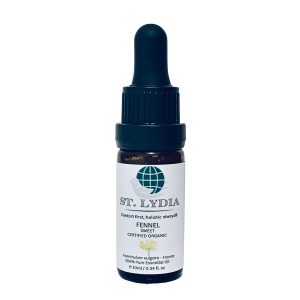
Sweet Fennel Organic Essential Oil (Foeniculum vulgare) – France
Price range: €7.00 through €49.00Sweet Fennel Organic Essential Oil (Foeniculum vulgare) – France
💰 VAT Included. 📦 Shipping calculated at checkout.
📦 🚚 Free nationwide delivery on orders over €60
Price range: €7.00 through €49.00 -
Neroli Organic Essential Oil (Citrus aurantium) – Morocco
Price range: €32.00 through €200.00Neroli Organic Essential Oil (Citrus aurantium) – Morocco
💰 VAT Included. 📦 Shipping calculated at checkout.
📦 🚚 Free nationwide delivery on orders over €60
Price range: €32.00 through €200.00 -
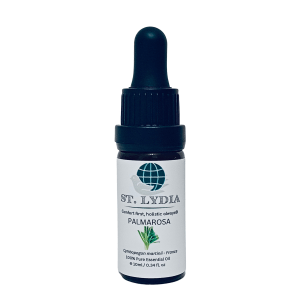
Palmarosa Natural Essential Oil (Cymbopogon martinii) – France
Price range: €10.00 through €77.00Palmarosa Natural Essential Oil (Cymbopogon martinii) – France
💰 VAT Included. 📦 Shipping calculated at checkout.
📦 🚚 Free nationwide delivery on orders over €60
Price range: €10.00 through €77.00 -
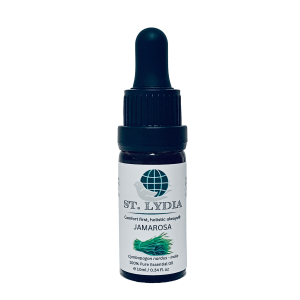
Jamarosa Natural Essential Oil (Cymbopogon nardus x Cymbopogon jwarancusa) – India
Price range: €11.00 through €65.00Jamarosa Natural Essential Oil (Cymbopogon nardus x Cymbopogon jwarancusa) – India
💰 VAT Included. 📦 Shipping calculated at checkout.
📦 🚚 Free nationwide delivery on orders over €60
Price range: €11.00 through €65.00

There are no reviews yet.