

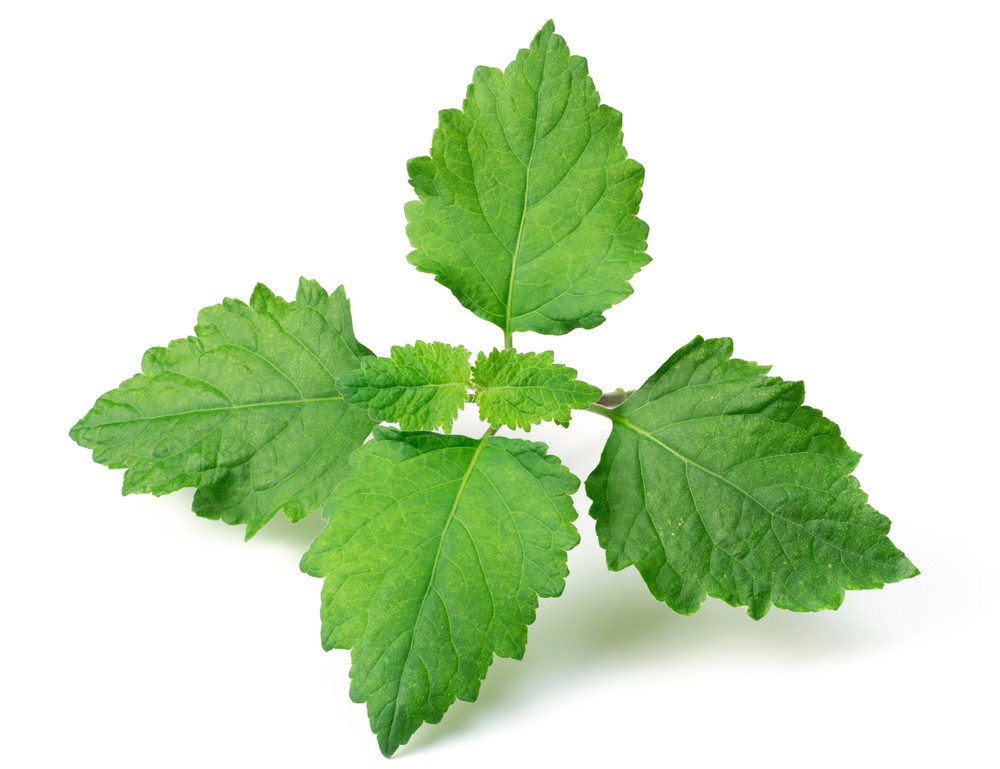
Patchouli-Light Natural Essential Oil (Pogostemon cablin) – Indonesia
Price range: €10.00 through €77.00
💰 VAT Included. 📦 Shipping calculated at checkout.
📦 🚚 Free nationwide delivery on orders over €60
Description
Patchouli-Light Natural Essential Oil
***Patchouli-Light Natural Essential Oil – History***
Patchouli-Light natural essential oil is extracted from the leaves of the Patchouli plant scientifically known as Pogostemon cablin, a perennial herb native to South East Asia, particularly Indonesia, Malaysia, and the Philippines. The oil is obtained through steam distillation using stainless steel stills, resulting in “Light Patchouli Oil,” which is lighter in colour and aroma compared to oil distilled using iron stills, producing “Dark Patchouli Oil.” Patchouli has a longstanding history of utilisation in traditional medicine, perfumery, and cultural practices. Ancient Indian and Chinese cultures were among the pioneers in employing patchouli for its aromatic and medicinal properties.
Patchouli arrived in Europe during the 19th century via the Silk Road, initially employed to fragrance textiles, particularly silk and cashmere from India. The herb’s aroma served as a protective measure against moths, enticing traders and subsequently establishing patchouli as a symbol of luxury textiles in Europe. Affluent European women embraced the distinctive scent, which swiftly became a status symbol within high society.
As the 19th century progressed, patchouli oil gained wider recognition in the perfumery industry, infusing fragrances with an exotic and sensual depth. Its earthy and grounding scent contrasted with the floral notes prevalent in European perfumes, contributing to patchouli’s unique position within scent compositions. The oil gained particular popularity in the West during the 1960s and 1970s as an integral component of the hippie counterculture movement. Its intense and earthy aroma symbolised a break from mainstream society and resonated with the era’s exploration of spirituality and nature.
***Patchouli-Light Natural Essential Oil – History***
Patchouli-Light natural essential oil is a widely utilised component in contemporary aromatherapy, renowned for its grounding and balancing properties. It is extensively employed to alleviate depression, stress, and promote relaxation. Patchouli-Light natural essential oil, renowned for its earthy and calming scent, is frequently incorporated into holistic health products, including massage oils, candles, and diffusers. Its widespread use extends to spiritual practices like meditation, where it is believed to provide grounding and stabilising effects.
In the realm of skincare, Patchouli-Light natural essential oil is celebrated for its anti-inflammatory and antiseptic attributes, rendering it effective in managing acne, eczema, and other skin conditions. Patchouli-Light natural essential oil continues to be utilised in the perfumery industry, characterised by its rich, earthy, woody, sweet, and spicy aroma. Patchouli-Light natural essential oil, renowned for its moisturising and scalp-stimulating properties, finds its way into haircare products. It is widely believed to foster healthy hair growth, combat dandruff, and fortify hair follicles. Beyond its hair benefits, this oil can be incorporated into homemade insect repellent blends, effectively deterring mosquitoes and other insects.
✅ 100% Pure Natural Essential Oil
✅ Vegan-friendly and Cruelty-free
***Botanical Name*** Pogostemon cablin
***Family*** Lamiaceae
***Origin*** Indonesia
***Plant Part*** Leaves
***Extraction Method*** Steam Distillation (Stainless Steel Still)
***Aroma*** It has a distinct, earthy, and musky scent with sweet, herbaceous undertones.
***Colour*** Light Brown
***Consistency*** Thin
***Note*** Base
***Strength*** Medium
***Blends With*** Patchouli-Light natural essential oil harmonises well with a diverse range of essential oils, including Myrrh, Rose, Cassia, Cedar wood, Bergamot, and Sandalwood. These are merely a few examples of essential oils that complement patchouli essential oil. By experimenting with various combinations, you can create distinctive aromas that cater to your preferences and therapeutic objectives.
***Chemical Composition*** Patchouli-Light natural essential oil is composed of a wide variety of chemical compounds that contribute to its therapeutic properties. The exact composition can vary depending on factors like the geographic origin and the method of extraction. However, the primary chemical constituents of patchouli essential oil are as follows: patchoulol, alpha-bulnesene, alpha-guaiene, seychellen, and gamma-patchoulene. While these are the primary constituents, the oil may also contain minor components in smaller quantities, which collectively contribute to its overall aroma and therapeutic properties.
***Storage Conditions*** Store patchouli essential oil in a cool, dark location, shielded from direct sunlight, to prevent oxidation and degradation of its aromatic and therapeutic properties.
***Shelf Life*** 1 – 2 years
***Product Safety*** Free from potentially harmful substances like sulphates, parabens, phthalates, synthetic fragrances, formaldehydes, and mineral oil.
⚠️Caution⚠️ Patchouli essential oil, like many essential oils, should be used with caution due to its potency and potential effects. Here are some cautions and considerations when using patchouli light essential oil:
- ***Skin Irritation*** Patchouli-Light natural essential oil is generally safe for topical use, but it can cause skin irritation or sensitisation in some individuals, especially those with sensitive skin. It’s advisable to perform a patch test before applying it to larger areas of skin, and dilute it properly with a carrier oil. Avoid contact with eyes, inner ears, and sensitive areas.
- ***Pregnancy and Nursing*** Pregnant or nursing women should consult with a healthcare professional before using patchouli essential oil, as its safety during these times is not well established.
- ***Children and Pets*** Exercise caution when using patchouli essential oil around young children and pets, as they may be more sensitive to its effects. Always dilute patchouli essential oil properly and use it in moderation around children and pets. Keep bottles of essential oils out of reach of children and pets to prevent accidental ingestion or contact.
- ***Internal Use*** Patchouli essential oil is not recommended for internal use, as it can be toxic and may cause adverse effects. Always use patchouli essential oil externally and avoid contact with mucous membranes.
- ***Medical Conditions*** People with specific medical conditions (such as epilepsy, liver disease, or cancer) or those on certain medications should consult with a healthcare professional before using patchouli essential oil, as it may interact with medications or exacerbate certain health issues.
- ***Allergies*** Some individuals may be allergic to patchouli essential oil. If you have a known allergy to members of the Lamiaceae family (such as mint or lavender), you may be more likely to have an allergic reaction to patchouli essential oil.
***Note*** Although essential oils have a longstanding history of use and are valued for their potential benefits, individual experiences may vary.
Additional information
| Directions For Use | There are many ways to enjoy the benefits of essential oils. You can use one or more oils mixed together to make your own remedy. MASSAGE: This is recognised as the most effective way of using essential oils, particularly as it couples the soothing power of touch with the benefits of the oils. To make massage oil, dilute 4 drops of essential oils into 10ml (2 teaspoons) of Carrier Oil. AROMATIC: Diffusing essential oils into the air using a diffuser can act as a natural room freshener, promote relaxation, improve mood, and help with stress relief. BATHING: Essential oils can be used in bath but only after emulsifying. So, if you want to use naturally extracted essential oil in bath, emulsify it prior to use. And for emulsifying, it is suggested to use a solubiliser such as Solubol (Dispersant) and follow the usage guidelines provided by your vendor. Add this blend to your running bath water and mix very well before getting into the tub. When essential oils are added in bath tub without emulsifying, they won't disperse but float on the water and directly react with the skin. INHALATION: This is a good way to relieve cold and congestion with essential oils. |
|---|---|
| Essential Oil Dilution Guide | Welcome to our essential oil dilution guide for topical and perfume use, where we'll explore the art and science of blending essential oils with carrier oils or alcohol for safe and effective application on the skin. Whether you're new to aromatherapy or seeking to enhance your knowledge, this guide will provide you with practical insights and guidelines for diluting essential oils to maximise their therapeutic benefits while minimising the risk of adverse reactions. From general dilution ratios for adults to considerations for children, sensitive individuals, and specific applications, we'll equip you with the knowledge and confidence to create customised blends tailored to your needs. Let's dive in and unlock the secrets of safe and effective topical use of essential oils! Here's a general guide for diluting essential oils for topical use: Remember that these are general guidelines, and individual preferences and sensitivities may vary. It's always a good idea to start with a lower dilution and adjust as needed based on your personal experience and comfort level. If you have any concerns or specific health conditions, consult with a qualified aromatherapist or healthcare professional for personalised guidance. When creating perfumes with essential oils, you'll typically work with higher concentrations of essential oils compared to topical applications. Here's a general guide for diluting essential oils for perfumery: Remember that creating perfumes is an art form, and there are no strict rules. Trust your senses and intuition as you explore different essential oil combinations and concentrations to create your signature scent. Keep detailed records of your formulations for future reference and refinement. |
| Packaging | 10ml and 30ml essential oils are packaged in amber glass dropper bottles with pipette for easy application. Larger sizes are packaged in amber screw cap bottles and do not come with droppers. |
Related products
-
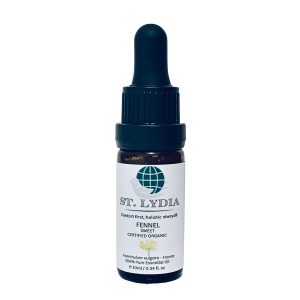
Sweet Fennel Organic Essential Oil (Foeniculum vulgare) – France
Price range: €7.00 through €49.00Sweet Fennel Organic Essential Oil (Foeniculum vulgare) – France
💰 VAT Included. 📦 Shipping calculated at checkout.
📦 🚚 Free nationwide delivery on orders over €60
Price range: €7.00 through €49.00 -
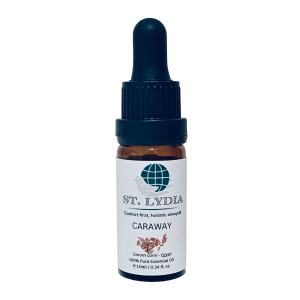
Caraway Natural Essential Oil (Carum carvi) – Egypt
Price range: €8.00 through €64.00Caraway Natural Essential Oil (Carum carvi) – Egypt
💰 VAT Included. 📦 Shipping calculated at checkout.
📦 🚚 Free nationwide delivery on orders over €60
Price range: €8.00 through €64.00 -
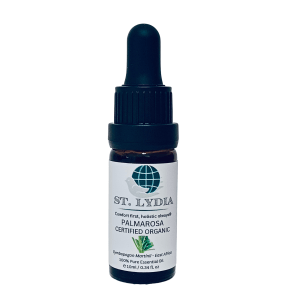
Palmarosa Organic Essential Oil (Cymbopogon martinii) – East Africa
Price range: €14.00 through €95.00Palmarosa Organic Essential Oil (Cymbopogon martinii) – East Africa
💰 VAT Included. 📦 Shipping calculated at checkout.
📦 🚚 Free nationwide delivery on orders over €60
Price range: €14.00 through €95.00 -
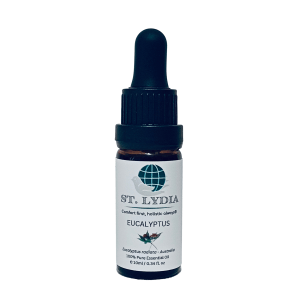
Eucalyptus radiata Natural Essential Oil (Eucalyptus radiata) – Australia
Price range: €7.00 through €54.00Eucalyptus radiata Natural Essential Oil (Eucalyptus radiata) – Australia
💰 VAT Included. 📦 Shipping calculated at checkout.
📦 🚚 Free nationwide delivery on orders over €60
Price range: €7.00 through €54.00
There are no reviews yet.