
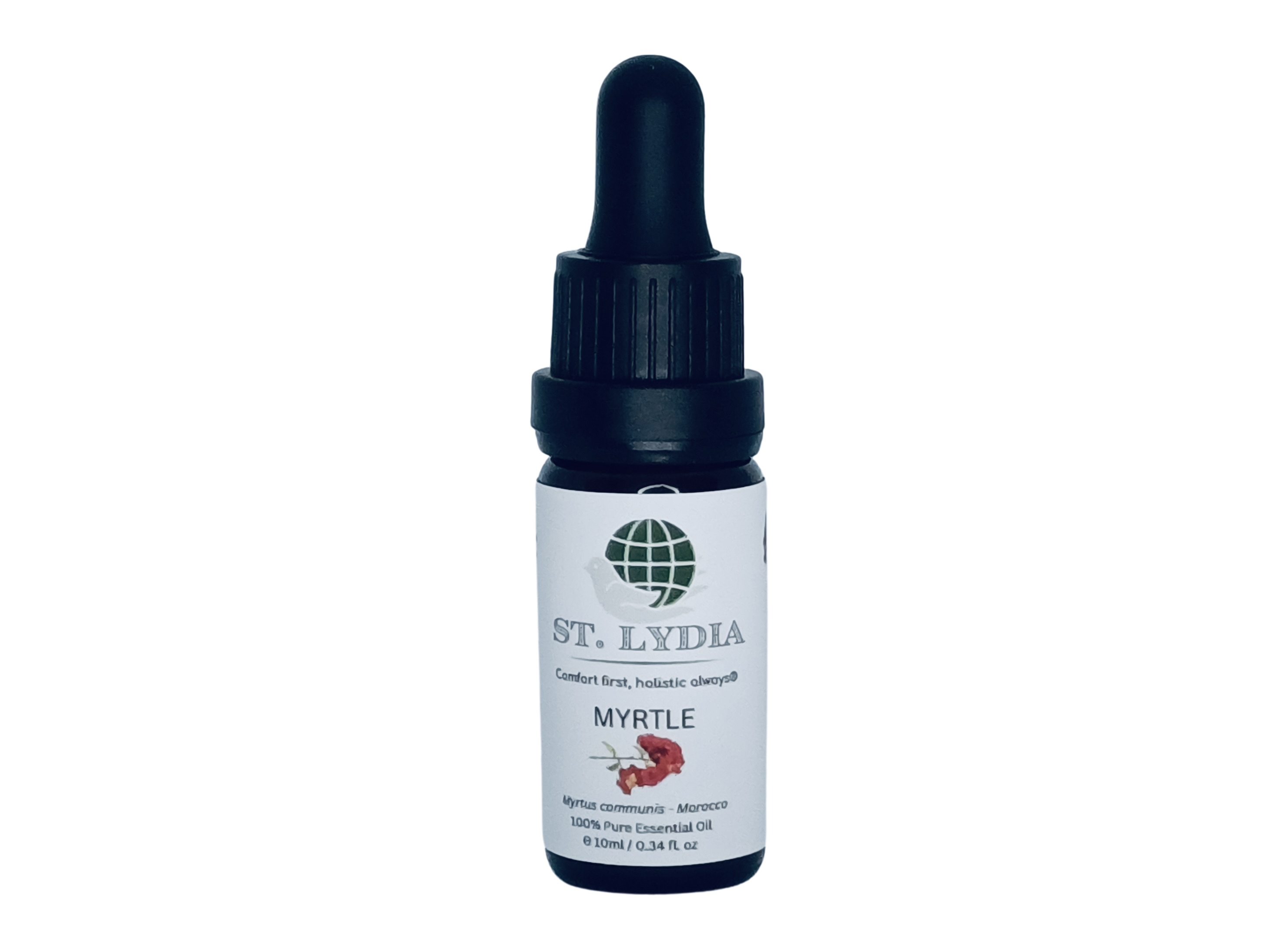
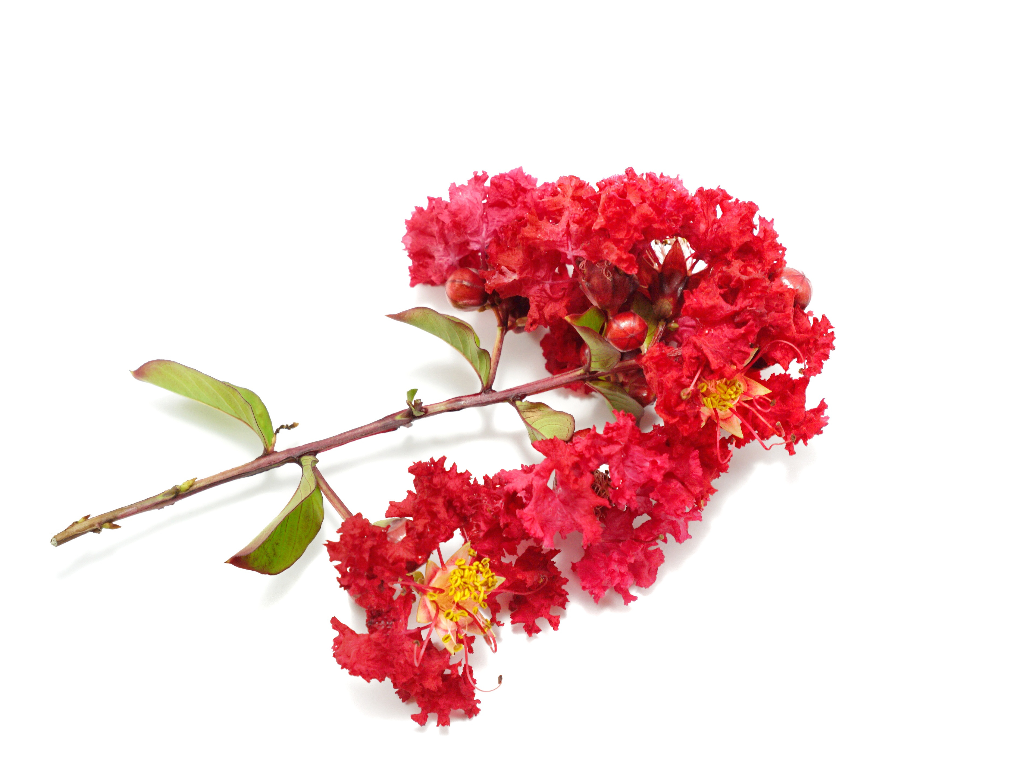
Myrtle Natural Essential Oil (Myrtus communis) – Morocco
Price range: €12.00 through €92.00
💰 VAT Included. 📦 Shipping calculated at checkout.
📦 🚚 Free nationwide delivery on orders over €60
Description
Myrtle Natural Essential Oil
***Myrtle Natural Essential Oil – History***
Myrtle natural essential oil is derived from the leaves, twigs, and flowers of the myrtle plant also known as the common myrtle, scientifically known as Myrtus communis, is a native species found across the Mediterranean region, Macaronesia, Western Asia, and the Indian subcontinent. Revered for its fragrance, medicinal properties, and spiritual significance, myrtle has played an important role in biblical traditions, traditional medicine, and cultural symbolism.
The myrtle tree holds symbolic and spiritual significance in biblical literature, appearing in numerous passages to convey themes of divine presence, peace, blessing, restoration, and beauty. In Isaiah 41:19, the myrtle is mentioned as one of the trees planted by God as a symbol of His provision and restoration. It embodies the flourishing of life in desolate environments, conveying hope and renewal. In Isaiah 55:13, this biblical verse contrasts the myrtle with thorn-bushes, representing the transformative power of God’s blessings.
Myrtle symbolises joy, peace, and the new creation God brings to His people. Zechariah 1:8–11, in this vision, the prophet Zechariah describes myrtle trees, which symbolise God’s presence and care for His people, even during times of difficulty and humility. The Hebrew name for Esther, Hadassah, means myrtle—reflecting beauty and strength. In Jewish tradition, myrtle branches are used in the Feast of Tabernacles (Sukkot) as part of the lulav (a ritual bundle of plants), representing joy and thanksgiving for God’s provision. Myrtle was revered by the ancient Greeks and Romans as a symbol of love, purity, and victory. Egyptians used myrtle for its fragrance in cosmetics and perfumes, as well as for its purported health benefits.
Myrtle was first described by Swedish botanist Linnaeus in 1753. It is widely cultivated as an ornamental plant for use as a shrub in gardens and parks. It is often used as a hedge plant, with its small leaves shearing cleanly. Greek physicians like Hippocrates reportedly used myrtle for treating respiratory and digestive conditions. Throughout history, myrtle has been valued in traditional medicine for its antibacterial, astringent, and anti-inflammatory properties. It was used to treat respiratory conditions like bronchitis and coughs, skin issues, including acne and wounds, digestive discomfort, and used as a mild sedative to calm the nerves and support restful sleep.
Myrtus communis is used in the islands of Sardinia and Corsica to produce an aromatic liqueur called Mirto by macerating it in alcohol. Mirto is one of the most typical drinks of Sardinia. The berries, whole or ground, have been used as a pepper substitute. They contribute to the distinctive flavour of some versions of Italian Mortadella sausage and the related American Bologna sausage. In Calabria, a myrtle branch is threaded through dried figs and then baked. The figs acquire a pleasant taste from the essential oils of the herb. They are then enjoyed through the winter months.
***Myrtle Natural Essential Oil – Benefits***
Today, myrtle natural essential oil is celebrated for its versatility and therapeutic properties, highly valued in aromatherapy for its calming and balancing effect on the mind and emotion. It is believed to reduce stress and anxiety, enhance concentration, and elevate overall mood and well-being, embodying renewal and spiritual purity. This essence resonates with its biblical and cultural origins, and it is frequently incorporated into spiritual practices and meditation for its grounding and heart-opening effects.
Myrtle natural essential oil is known for its respiratory benefits. It may help alleviate symptoms of congestion, coughs, and respiratory infections. Its expectorant and mucolytic properties make it useful for clearing the airways and promoting easier breathing. Myrtle essential oil offers various benefits for the skin. It has astringent, antiseptic, and anti-inflammatory properties, making it suitable for treating acne, oily skin, and minor skin irritations. It helps tone the skin, reduce excess oil, and soothe inflammation. Myrtle natural essential oil is believed to support scalp health and promote hair growth. It can be added to hair care products like shampoos or mixed with a carrier oil and massaged into the scalp.
Myrtle natural essential oil may aid digestion and help relieve symptoms of indigestion, bloating, and flatulence. Its carminative properties help soothe digestive discomfort and promote gastrointestinal health. Myrtle natural essential oil exhibits antimicrobial activity against bacteria, fungi, and viruses. It can help disinfect surfaces, purify the air, and prevent the spread of pathogens. It’s commonly used in natural cleaning products and air fresheners. Myrtle oil is used in perfumery for its clean, slightly floral, and herbal top note.
Overall, myrtle natural essential oil offers a range of potential benefits for both physical and emotional well-being. It’s a versatile oil with a pleasant aroma and numerous therapeutic properties.
✅ 100% Pure Natural Essential Oil
✅ Vegan-friendly and Cruelty-free
***Botanical Name*** Myrtus communis
***Family*** Myrtaceae
***Origin*** Morocco
***Plant Part*** Flowers, Leaves, and Twigs
***Extraction Method*** Steam Distillation
***Aroma*** It has a fresh, sweet, and slightly floral aroma with herbaceous undertones.
***Colour*** Reddish Brown
***Consistency*** Thin
***Note*** Base
***Strength*** Medium
***Blends With*** Myrtle natural essential oil harmonises well with a diverse range of essential oils, including Lavender, Bergamot, Frankincense, Jasmine, Hyssop, Myrrh, Rosemary, Marjoram, Geranium, Chamomile, and Sandalwood. These are merely a few examples of essential oils that complement myrtle natural essential oil. By experimenting with various combinations, you can create distinctive aromas that cater to your preferences and therapeutic objectives.
***Chemical Composition*** Myrtle natural essential oil is composed of a wide variety of chemical compounds that contribute to its therapeutic properties. The exact composition can vary depending on factors like the geographic origin and the method of extraction. However, the primary chemical constituents of myrtle natural essential oil are as follows: 1,8-Cineole, α-Pinene, Myrtenyl acetate, (+)-Limonene, and α-Terpineol. While these are the primary constituents, the oil may also contain minor components in smaller quantities, which collectively contribute to its overall aroma and therapeutic properties.
***Storage Conditions*** Store myrtle natural essential oil in a cool, dark location, shielded from direct sunlight, to prevent oxidation and degradation of its aromatic and therapeutic properties.
***Shelf Life*** 1 – 2 years
***Product Safety*** Free from potentially harmful substances like sulphates, parabens, phthalates, synthetic fragrances, formaldehydes, and mineral oil.
⚠️Caution⚠️ While myrtle natural essential oil offers many benefits, it’s essential to use it with caution to ensure safety and effectiveness. Here are some cautions to consider when using myrtle essential oil:
- ***Skin Irritation*** Some individuals may experience skin irritation or allergic reactions when using myrtle natural essential oil, particularly when undiluted or in high concentrations. Prioritise safety by conducting a patch test by diluting the oil with a carrier oil (e.g., coconut oil or jojoba oil) and applying a small amount to a inconspicuous area of skin to assess for any adverse reactions. Refrain from contact with the eyes, inner ears, and sensitive regions.
- ***Pregnancy and Nursing*** Pregnant and breastfeeding women should use essential oils with caution and under the guidance of a healthcare professional. While myrtle oil is generally considered safe when used in moderation, it’s best to consult a healthcare provider before using it during pregnancy or while breastfeeding.
- ***Children and Pets*** Myrtle essential oil should be kept out of reach of children and pets. Children and pets are generally more sensitive to essential oils, and ingestion or improper use can lead to serious health issues. Myrtle essential oil can be too strong for young children. For older children, use lower concentrations and consult a healthcare provider if unsure.
- ***Internal Use*** While myrtle oil is commonly used in culinary applications, ingesting myrtle essential oil can be toxic and may lead to adverse effects such as vomiting, abdominal pain, and kidney damage. Always use food-grade myrtle oil from reputable sources and consult with a healthcare professional before internal use.
- ***Medical Conditions*** Individuals with certain medical conditions, such as epilepsy, asthma, or allergies, should exercise caution when using essential oils, including myrtle oil. It is advisable to consult a healthcare professional before using myrtle oil if you have any underlying health concerns or are taking medications.
- ***Allergies*** Some individuals may experience allergic reactions to myrtle essential oil. Symptoms may include skin irritation and swelling. Always discontinue use if you experience any signs of an allergic reaction. Individuals with allergies to myrtle or other related plants should use myrtle essential oil cautiously and consider performing a patch test before using it extensively.
***Note*** Although essential oils have a longstanding history of use and are valued for their potential benefits, individual experiences may vary.
Additional information
| Directions For Use | There are many ways to enjoy the benefits of essential oils. You can use one or more oils mixed together to make your own remedy. MASSAGE: This is recognised as the most effective way of using essential oils, particularly as it couples the soothing power of touch with the benefits of the oils. To make massage oil, dilute 4 drops of essential oils into 10ml (2 teaspoons) of Carrier Oil. AROMATIC: Diffusing essential oils into the air using a diffuser can act as a natural room freshener, promote relaxation, improve mood, and help with stress relief. BATHING: Essential oils can be used in bath but only after emulsifying. So, if you want to use naturally extracted essential oil in bath, emulsify it prior to use. And for emulsifying, it is suggested to use a solubiliser such as Solubol (Dispersant) and follow the usage guidelines provided by your vendor. Add this blend to your running bath water and mix very well before getting into the tub. When essential oils are added in bath tub without emulsifying, they won't disperse but float on the water and directly react with the skin. INHALATION: This is a good way to relieve cold and congestion with essential oils. |
|---|---|
| Essential Oil Dilution Guide | Welcome to our essential oil dilution guide for topical and perfume use, where we'll explore the art and science of blending essential oils with carrier oils or alcohol for safe and effective application on the skin. Whether you're new to aromatherapy or seeking to enhance your knowledge, this guide will provide you with practical insights and guidelines for diluting essential oils to maximise their therapeutic benefits while minimising the risk of adverse reactions. From general dilution ratios for adults to considerations for children, sensitive individuals, and specific applications, we'll equip you with the knowledge and confidence to create customised blends tailored to your needs. Let's dive in and unlock the secrets of safe and effective topical use of essential oils! Here's a general guide for diluting essential oils for topical use: Remember that these are general guidelines, and individual preferences and sensitivities may vary. It's always a good idea to start with a lower dilution and adjust as needed based on your personal experience and comfort level. If you have any concerns or specific health conditions, consult with a qualified aromatherapist or healthcare professional for personalised guidance. When creating perfumes with essential oils, you'll typically work with higher concentrations of essential oils compared to topical applications. Here's a general guide for diluting essential oils for perfumery: Remember that creating perfumes is an art form, and there are no strict rules. Trust your senses and intuition as you explore different essential oil combinations and concentrations to create your signature scent. Keep detailed records of your formulations for future reference and refinement. |
| Packaging | 10ml and 30ml essential oils are packaged in amber glass dropper bottles with pipette for easy application. Larger sizes are packaged in amber screw cap bottles and do not come with droppers. |
Related products
-
Frankincense Natural Essential Oil (Boswellia carterii) – Somalia
Price range: €18.00 through €140.00Frankincense Natural Essential Oil (Boswellia carterii) – Somalia
💰 VAT Included. 📦 Shipping calculated at checkout.
📦 🚚 Free nationwide delivery on orders over €60
Price range: €18.00 through €140.00 -
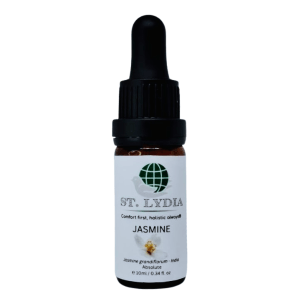
Jasmine Absolute (Jasmine grandiflorum) – India
Price range: €45.00 through €300.00Jasmine Absolute (Jasmine grandiflorum) – India
💰 VAT Included. 📦 Shipping calculated at checkout.
📦 🚚 Free nationwide delivery on orders over €60
Price range: €45.00 through €300.00 -
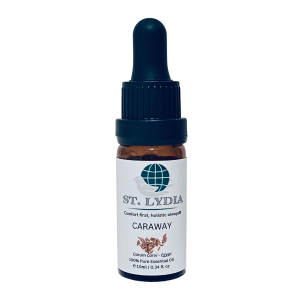
Caraway Natural Essential Oil (Carum carvi) – Egypt
Price range: €8.00 through €64.00Caraway Natural Essential Oil (Carum carvi) – Egypt
💰 VAT Included. 📦 Shipping calculated at checkout.
📦 🚚 Free nationwide delivery on orders over €60
Price range: €8.00 through €64.00 -
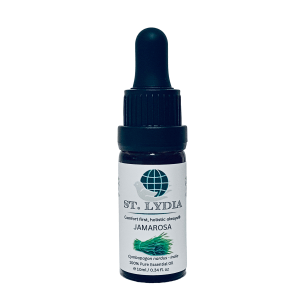
Jamarosa Natural Essential Oil (Cymbopogon nardus x Cymbopogon jwarancusa) – India
Price range: €11.00 through €65.00Jamarosa Natural Essential Oil (Cymbopogon nardus x Cymbopogon jwarancusa) – India
💰 VAT Included. 📦 Shipping calculated at checkout.
📦 🚚 Free nationwide delivery on orders over €60
Price range: €11.00 through €65.00

There are no reviews yet.