
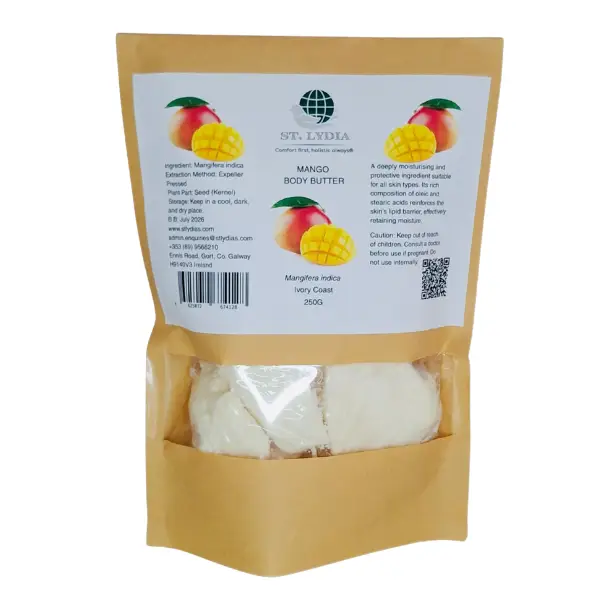


Mango Butter (Mangifera indica) – India
€12.00
💰 VAT Included. 📦 Shipping calculated at checkout.
📦 🚚 Free nationwide delivery on orders over €60
Description
Mango Butter
***Mango Butter – History***
Mango butter, derived from the seed (kernel) of the mango fruit, scientifically known as Mangifera indica. Originating from South Asia and tropical regions, the mango seed, holds a lesser-known yet substantial historical significance, particularly in traditional medicine, agriculture, and natural remedies. While the fruit is globally renowned for its delectable flavour and symbolic meanings, the seed (kernel) nestled within its core has discreetly served a multitude of purposes for millennia.
Mango seeds have been integral to Indian medicinal systems since antiquity. Ancient medical texts and folk practices recognised the medicinal and functional properties of mango seeds. Powdered mango seeds were employed to alleviate diarrhoea and dysentery, address dental concerns, treat skin infections and inflammation, combat parasitic infestations, and were often applied topically as a paste or ingested in controlled quantities. Crushed or ground mango seeds were utilised in traditional beauty treatments for exfoliating the skin, alleviating dandruff and scalp irritation, and fortifying hair roots. Dried mango seeds were stored and utilised during non-harvest seasons for the preparation of herbal remedies.
The industrial interest in mango seeds emerged in the 20th Century, pioneered by scientific discoveries. These discoveries validated the seed’s antioxidant properties, fatty acid composition suitable for skin conditioning, antibacterial, and anti-inflammatory effects. The seed kernel, when processed, produces mango seed butter (used in cosmetics), mango kernel oil (used in soaps and sometimes food), and flour or meal (studied for potential food uses, especially in developing nations).
Advancements in modern research and a growing emphasis on sustainability have highlighted mango seeds as a valuable by-product of mango processing. Ongoing research delves into their multifaceted applications, including their potential in the development of functional foods, biodegradable packaging, potential in cholesterol-lowering and antimicrobial therapies.
***Mango Butter – Benefits***
Mango butter is a deeply moisturising and protective ingredient suitable for all skin types. Its rich composition of oleic and stearic acids reinforces the skin’s lipid barrier, effectively retaining moisture. It hydrates dry, rough, or flaky skin without leaving a greasy residue. Mango butter is packed with vitamins A, C, and E, which stimulate collagen production and combat oxidative stress. It is renowned for its ability to alleviate irritated skin conditions such as eczema, psoriasis, and dermatitis.
Mango butter facilitates the healing of wounds, cracks, and minor burns. It provides a minimal level of natural UV protection. It is non-comedogenic, meaning it does not clog pores, making it an ideal choice for acne-prone and oily skin. Additionally, mango butter enhances skin tone, aids in fading scars, dark spots, and stretch marks.
Mango butter’s smooth texture and nutrient-rich profile make it an ideal massage base. Its creamy, non-greasy consistency is perfect for massage therapy, as it absorbs slowly, providing lasting hydration. Mango butter is also aromatherapy-compatible, blending well with essential oils. When combined with anti-inflammatory essential oils (such as lavender or frankincense), it can soothe muscles.
Mango butter offers intense moisture and protection for hair and scalp. It softens and nourishes dry, brittle, or damaged hair. Rich in fatty acids, it helps reduce breakage and split ends while promoting healthier hair growth. Additionally, it soothes itchiness and dandruff, It acts as a natural conditioner, and helps tame frizzy hair.
Mango butter is a preferred ingredient in natural and luxury cosmetic products. Its stability and non-greasy properties make it ideal for creams, balms, and lotions. Its mild scent does not overpower fragrances in formulations. Mango butter can also serve as a thickener, adding body and consistency to emulsions. It is suitable for natural and sensitive-skin formulations and is commonly used in lip balms, facial moisturisers, lotions, hair masks, leave-in conditioners, soaps, and scrubs.
✅ 100% Pure Body Butter – 250g
✅ Vegan-friendly and Cruelty-free
***Botanical Name*** Mangifera indica
***Family*** Anacardiaceae
***Origin*** India
***Plant Part*** Seed (Kernel)
***Extraction Method*** Expeller Pressed
***Aroma*** It is has a very mild neutral scent
***Colour*** Pale yellow to off-white solid butter
***Consistency*** Solid at room temperature; softens at body temperature.
***Absorption*** Non-greasy and fast-absorbing.
***Composition Highlights*** Mango butter contains Stearic Acid, Oleic Acid, Palmitic Acid, Linoleic Acid, Vitamin A, Vitamin C, Vitamin E, Polyphenols, Triterpenes, and Antioxidants. While these are the primary constituents, the butter may also contain minor components in smaller quantities, with major impacts.
***Storage Conditions*** Store mango butter in a cool, dark place away from direct sunlight to prevent oxidation.
***Shelf Life*** 1 – 2 years
⚠️Caution⚠️ While mango butter is generally safe, there are key cautions and considerations when using mango butter:
- ***Skin Irritation*** Mango butter is considered safe for most people, but it may cause skin irritation or allergic reactions in some individuals, especially those with sensitive skin. It is best to patch test on a small area (e.g., on the inner arm) before applying to the face or body. Mango butter is non-comedogenic, meaning it does not clog pores, making it an ideal choice for acne-prone and oily skin. Excessive heat can degrade its natural antioxidants and alter its therapeutic value. Always melt mango butter gently using a double boiler or low-temperature methods to preserve its quality. It is safe on most dry or irritated areas, but skip open wounds or raw skin unless guided by a dermatologist. Avoid contact with eyes, inner ears, and sensitive areas.
- ***Pregnancy and Nursing*** Topical mango butter is non-toxic, hypoallergenic, and non-comedogenic, making it a safe choice for pregnant and nursing women when used externally. Avoid application on the breast/nipple area if nursing, to prevent ingestion by baby. If blending with essential oils, always research each oil’s safety. If you’re ever unsure, run it by your healthcare provider.
- ***Children*** Topical use on children (especially over 2 years old) is generally considered safe in small amounts. However, because children’s skin is more permeable and more reactive, extra care must be taken. It is crucial to consult with a paediatrician or healthcare provider before using it, especially if a child has any underlying health conditions or is taking medications. A paediatrician can assess the child’s individual health needs and determine if mango butter is appropriate for use.
- ***Internal Use*** Mango butter is intended for external use only. Never consume mango butter unless it is labeled as food-grade or edible from reputable sources and consult with a healthcare professional before internal use.
- ***Medical Conditions*** No known direct drug interactions exist for topical mango butter, as it is not systemically absorbed into the bloodstream in significant amounts. However, caution is advised when using mango butter in combination with topical steroids or medicated creams (eczema, psoriasis), it may dilute or alter the absorption of prescription creams. Mango butter can be beneficial, but individuals on prescribed treatments (like corticosteroids or immunomodulators) should consult their dermatologist before using it to avoid interaction or dilution of effect. Always inform your doctor or dermatologist if you plan to use new skincare products while managing a medical condition or taking medications.
- ***Allergies*** Some individuals may experience allergic reactions to mango butter, symptoms may include skin irritation, itching, or rash. Mangoes contain compounds that may cross-react with latex, always perform a patch test before widespread use, especially for those with known mango, latex, nut or seed allergies. Discontinue use if you experience any signs of an allergic reaction.
***Note*** Although body butters have a longstanding history of use and are valued for their potential benefits, individual experiences may vary.
Additional information
| Directions for Use – Solid Body Butter | How to Use: 1. Scoop a Small Amount: 2. Warm Between Palms:
3. Apply to Skin:
4. Let It Absorb:
|
|---|---|
| Body Butter Mixing Guide | Here's a body butter mixing guide to help you create a smooth, nourishing, and well-balanced blend: Basic Body Butter Formula (By Weight %) * 60-70% Butters (e.g., shea, cocoa, mango) * 20-30% Oils (e.g., sweet almond, jojoba, coconut, argan) * 5-10% Additives (optional) Step-by-Step Mixing Instructions 1. Measure Ingredients (by weight for accuracy) 2. Melt Butters & Oils 3. Cool & Thicken 4. Whip It (Optional for whipped body butter) 5. Add Final Ingredients 6. Jar & Label |
Related products
-
Neroli Organic Essential Oil (Citrus aurantium) – Morocco
Price range: €32.00 through €200.00Neroli Organic Essential Oil (Citrus aurantium) – Morocco
💰 VAT Included. 📦 Shipping calculated at checkout.
📦 🚚 Free nationwide delivery on orders over €60
Price range: €32.00 through €200.00 -
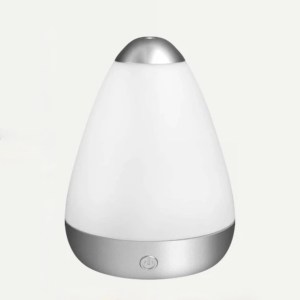
Ultrasonic Humidifier & Essential Oil Diffuser
€18.00Ultrasonic Humidifier & Essential Oil Diffuser
💰 VAT Included. 📦 Shipping calculated at checkout.
📦 🚚 Free nationwide delivery on orders over €60
€18.00 -
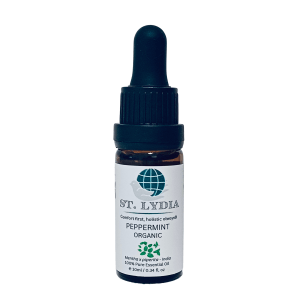
Peppermint Organic Essential Oil (Mentha x piperita) – India
Price range: €7.00 through €49.00Peppermint Organic Essential Oil (Mentha x piperita) – India
💰 VAT Included. 📦 Shipping calculated at checkout.
📦 🚚 Free nationwide delivery on orders over €60
Price range: €7.00 through €49.00 -
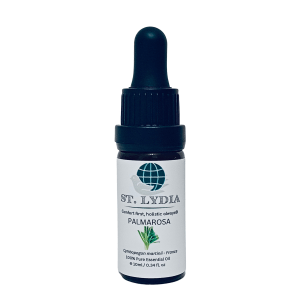
Palmarosa Natural Essential Oil (Cymbopogon martinii) – France
Price range: €10.00 through €77.00Palmarosa Natural Essential Oil (Cymbopogon martinii) – France
💰 VAT Included. 📦 Shipping calculated at checkout.
📦 🚚 Free nationwide delivery on orders over €60
Price range: €10.00 through €77.00

There are no reviews yet.