


Hyssop Natural Essential Oil (Hyssopus officinalis L) – Slovenia
Price range: €13.00 through €90.00
💰 VAT Included. 📦 Shipping calculated at checkout.
📦 🚚 Free nationwide delivery on orders over €60
Description
Hyssop Natural Essential Oil
***Hyssop Natural Essential Oil – History***
Hyssop natural essential oil is extracted from the leaves and flowers of the Hyssop plant, scientifically known as Hyssopus officinalis, an aromatic herb belonging to the mint family. Native to Southern Europe, the Mediterranean region, and parts of the Middle East, hyssop natural essential oil has a long and storied history, dating back thousands of years. It has been utilised for medicinal, spiritual, and culinary purposes across diverse cultures.
The Bible mentions hyssop multiple times, referring to it as a sacred and purifying herb. In the Old Testament (Exodus 12:22), it was employed during the Passover ceremony to apply lamb’s blood to doorposts. It is referenced in Psalm 51:7, where it is invoked for purification: “Purge me with hyssop, and I shall be clean.”
Hyssop is one of the most frequently mentioned aromatic herbs in the Bible, ranking third after only Myrrh and Frankincense. During the Middle Ages, hyssop cultivation flourished within monastery gardens, and it was utilised to prepare herbal remedies for respiratory ailments, colds, coughs, and infections. Hippocrates, the renowned physician known as the “father of medicine,” recommended hyssop for treating bronchial issues. Roman naturalist Pliny the Elder also endorsed hyssop for respiratory ailments and wound healing.
***Hyssop Natural Essential Oil – Benefits***
Today, Hyssop natural essential oil stands as a potent and multifaceted remedy, used in aromatherapy for the holistic well-being of the body, mind, and spirit. Renowned for its cleansing, stimulating, and protective properties, Hyssop natural essential oil possesses a unique balance that simultaneously uplifts and grounds the individual, effectively alleviating stress, anxiety, and mental fatigue. Its efficacy extends to enhancing focus, clarity, and concentration.
Beyond its therapeutic benefits, hyssop natural essential oil is highly valued for its antimicrobial, expectorant, and anti-inflammatory actions. As an expectorant, it may facilitate the expulsion of mucus and congestion, providing relief from respiratory ailments such as coughs, colds, bronchitis, and asthma. Its antimicrobial and antiviral properties further enhance its protective capabilities, safeguarding against infections and seasonal illnesses. Hyssop natural essential oil can be effectively utilised in steam inhalation or diffusion, or it can be incorporated into personal inhalers during the influenza season. Its efficacy extends to combating bacteria, fungi, and viruses, thereby supporting immune function.
Hyssop natural essential oil is believed to stimulate digestion, alleviating bloating and indigestion. It can be diluted with a carrier oil and massaged onto the abdomen for therapeutic purposes. Its ability to enhance blood flow and support cardiovascular health makes it a valuable addition to massage blends, effectively relieving muscle tension and aches.
The captivating aroma of hyssop natural essential oil, characterised by its fresh, slightly sweet, and herbaceous notes, renders it an indispensable component in perfumes and skincare products. Its versatility extends to dilution in carrier oils for massage, skincare, and wound healing applications.
✅ 100% Pure Natural Essential Oil
✅ Vegan-friendly and Cruelty-free
***Botanical Name*** Hyssopus officinalis
***Family*** Lamiaceae
***Origin*** Slovenia
***Plant Part*** Leaves and Flowers
***Extraction Method*** Steam Distillation
***Aroma*** It has a fresh, fruity, woody, slightly sweet and medicinal aroma
***Colour*** Clear
***Consistency*** Thin
***Note*** Middle
***Strength*** Medium
***Blends With*** Hyssop natural essential oil harmonises well with a diverse range of essential oils, including Mrytle, Lavender, Eucalyptus, Rosemary, Frankincense, Bay and Clary Sage. These are merely a few examples of essential oils that complement hyssop essential oil. By experimenting with various combinations, you can create distinctive aromas that cater to your preferences and therapeutic objectives.
***Chemical Composition*** Hyssop natural essential oil is composed of a wide variety of chemical compounds that contribute to its therapeutic properties. The exact composition can vary depending on factors like the geographic origin and the method of extraction. However, the primary chemical constituents of hyssop oil are as follows: Sabinene, Pinocamphone, Isopinocamphone, β-Pinene, Limonene, Linalool, and Geraniol. While these are the primary constituents, the oil may also contain minor components in smaller quantities, which collectively contribute to its overall aroma and therapeutic properties.
***Storage Conditions*** Store hyssop essential oil in a cool, dark location, shielded from direct sunlight, to prevent oxidation and degradation of its aromatic and therapeutic properties.
***Shelf Life*** 1 – 2 years
***Product Safety*** Free from potentially harmful substances like sulphates, parabens, phthalates, synthetic fragrances, formaldehydes, and mineral oil.
⚠️Caution⚠️ While hyssop essential oil offers many benefits, it’s important to use it with care due to its potency. It is important to follow these precautions to avoid adverse reactions:
- ***Skin Irritation*** Some individuals may experience skin irritation or allergic reactions when using hyssop essential oil, particularly when undiluted. Use in low concentrations, as it can be neurotoxic in high doses. Hyssop is strong; always dilute properly before topical application. A maximum dilution of 0.5-2% is advised. Prioritise safety by conducting a patch test by diluting the oil with a carrier oil (e.g., coconut oil or jojoba oil) and applying a small amount to a inconspicuous area of skin to assess for any adverse reactions. Refrain from contact with the eyes, inner ears, and sensitive regions.
- ***Pregnancy and Nursing*** Pregnant and breastfeeding women should avoid using hyssop essential oil due to its neurotoxic potential, and high pinocamphone content. While there is limited research on its safety during pregnancy, certain essential oils can have uterine-stimulating effects.
- ***Children and Pets*** Hyssop essential oil should not be used on children under the age of 2 unless under professional guidance. Essential oils can be very potent for young children, and some oils can be too strong for their sensitive systems. Keep hyssop essential oil out of reach of children and pets.
- ***Internal Use*** Avoid internal use, only use under the guidance of a qualified practitioner if considering internal consumption. Essential oils are very potent and can cause adverse effects if ingested.
- ***Medical Conditions*** Hyssop essential oil is not recommended for epileptics and seizure-prone individuals – It contains pinocamphone, which can trigger seizures in sensitive individuals. There is limited information on its interactions with medications, but it’s always a good idea to consult a healthcare provider if you are taking prescription medications.
- ***Allergies*** Some individuals may experience allergic reactions to hyssop essential oil. Symptoms may include skin irritation, swelling, or respiratory issues. Always discontinue use if you experience any signs of an allergic reaction.
***Note*** Although essential oils have a longstanding history of use and are valued for their potential benefits, individual experiences may vary.
Additional information
| Directions For Use | There are many ways to enjoy the benefits of essential oils. You can use one or more oils mixed together to make your own remedy. MASSAGE: This is recognised as the most effective way of using essential oils, particularly as it couples the soothing power of touch with the benefits of the oils. To make massage oil, dilute 4 drops of essential oils into 10ml (2 teaspoons) of Carrier Oil. AROMATIC: Diffusing essential oils into the air using a diffuser can act as a natural room freshener, promote relaxation, improve mood, and help with stress relief. BATHING: Essential oils can be used in bath but only after emulsifying. So, if you want to use naturally extracted essential oil in bath, emulsify it prior to use. And for emulsifying, it is suggested to use a solubiliser such as Solubol (Dispersant) and follow the usage guidelines provided by your vendor. Add this blend to your running bath water and mix very well before getting into the tub. When essential oils are added in bath tub without emulsifying, they won't disperse but float on the water and directly react with the skin. INHALATION: This is a good way to relieve cold and congestion with essential oils. |
|---|---|
| Essential Oil Dilution Guide | Welcome to our essential oil dilution guide for topical and perfume use, where we'll explore the art and science of blending essential oils with carrier oils or alcohol for safe and effective application on the skin. Whether you're new to aromatherapy or seeking to enhance your knowledge, this guide will provide you with practical insights and guidelines for diluting essential oils to maximise their therapeutic benefits while minimising the risk of adverse reactions. From general dilution ratios for adults to considerations for children, sensitive individuals, and specific applications, we'll equip you with the knowledge and confidence to create customised blends tailored to your needs. Let's dive in and unlock the secrets of safe and effective topical use of essential oils! Here's a general guide for diluting essential oils for topical use:
Remember that these are general guidelines, and individual preferences and sensitivities may vary. It's always a good idea to start with a lower dilution and adjust as needed based on your personal experience and comfort level. If you have any concerns or specific health conditions, consult with a qualified aromatherapist or healthcare professional for personalised guidance. When creating perfumes with essential oils, you'll typically work with higher concentrations of essential oils compared to topical applications. Here's a general guide for diluting essential oils for perfumery:
Remember that creating perfumes is an art form, and there are no strict rules. Trust your senses and intuition as you explore different essential oil combinations and concentrations to create your signature scent. Keep detailed records of your formulations for future reference and refinement. |
| Packaging | 10ml and 30ml essential oils are packaged in amber glass dropper bottles with pipette for easy application. Larger sizes are packaged in amber screw cap bottles and do not come with droppers. |
Related products
-
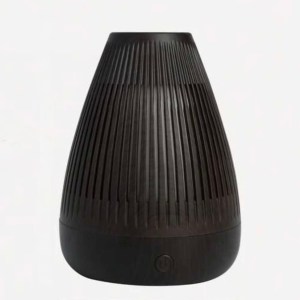
Dark Wood Grain Essential Oil Diffuser
€20.00Dark Wood Grain Essential Oil Diffuser
💰 VAT Included. 📦 Shipping calculated at checkout.
📦 🚚 Free nationwide delivery on orders over €60
€20.00 -
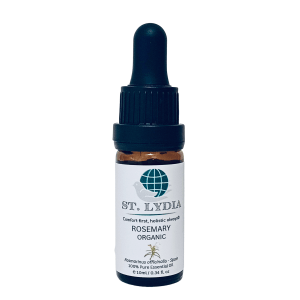
Rosemary Organic Essential Oil (Rosmarinus officinalis) – Spain
Price range: €9.00 through €70.00Rosemary Organic Essential Oil (Rosmarinus officinalis) – Spain
💰 VAT Included. 📦 Shipping calculated at checkout.
📦 🚚 Free nationwide delivery on orders over €60
Price range: €9.00 through €70.00 -
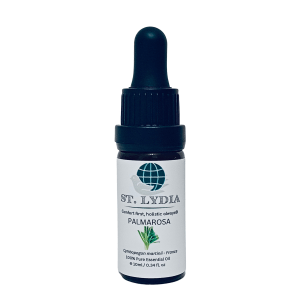
Palmarosa Natural Essential Oil (Cymbopogon martinii) – France
Price range: €10.00 through €77.00Palmarosa Natural Essential Oil (Cymbopogon martinii) – France
💰 VAT Included. 📦 Shipping calculated at checkout.
📦 🚚 Free nationwide delivery on orders over €60
Price range: €10.00 through €77.00 -
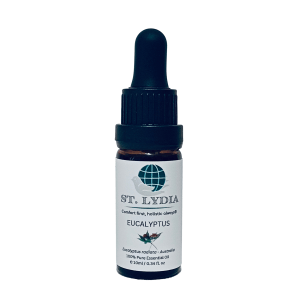
Eucalyptus radiata Natural Essential Oil (Eucalyptus radiata) – Australia
Price range: €7.00 through €54.00Eucalyptus radiata Natural Essential Oil (Eucalyptus radiata) – Australia
💰 VAT Included. 📦 Shipping calculated at checkout.
📦 🚚 Free nationwide delivery on orders over €60
Price range: €7.00 through €54.00
There are no reviews yet.