
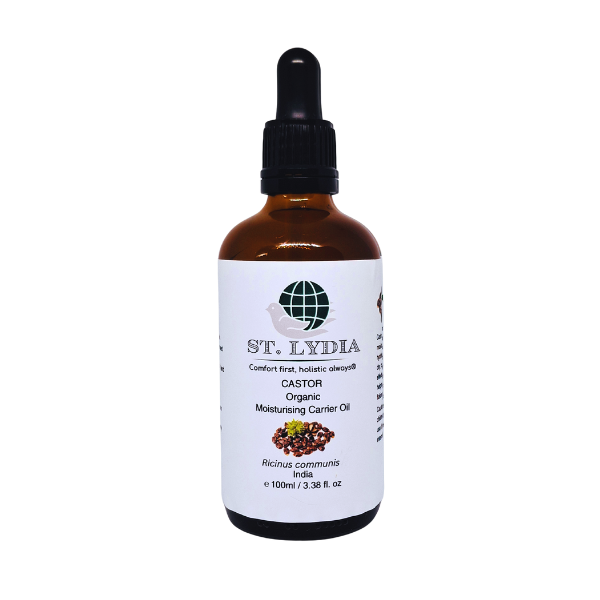


Castor Organic Oil (Ricinus communis) – India
€4.00
💰 VAT Included. 📦 Shipping calculated at checkout.
📦 🚚 Free nationwide delivery on orders over €60
Description
Castor Organic Oil
***Castor Organic Oil – History***
Castor organic oil is extracted from the seeds (commonly called castor beans) of the castor plant, scientifically known as Ricinus communis. Castor is indigenous to the southeastern Mediterranean Basin, India and Africa, but is widespread throughout tropical regions (and widely grown elsewhere as an ornamental plant). Castor oil is one of the oldest cultivated crops and oils known to humanity, with use dating back over 4,000 years. Some scholars believe that the “plant of Jonah” mentioned in the Bible could be the castor bean plant. Castor oil was likely familiar to early Semitic peoples as both a medicinal and utilitarian oil.
In ancient Egypt, castor oil held immense significance and was highly valued. Its documented use as a laxative and for treating skin conditions dates back to approximately 1550 BCE, as evidenced in the Ebers Papyrus, an ancient Egyptian medical text containing extensive knowledge of herbal remedies. Its usage extended several centuries prior to this discovery.
Archaeological excavations have unearthed castor seeds in various tombs, including those belonging to Pharaohs. The Egyptians employed castor oil in diverse applications, including as a fuel for oil lamps, a skin moisturiser, and a medicinal remedy. Notably, Cleopatra is said to have utilised castor oil to enhance the brightness of her eyes. Greek physicians such as Dioscorides and Galen also documented castor oil’s therapeutic uses for maintaining health.
In India, castor oil, known as Eranda Taila, has been revered for its detoxifying, anti-inflammatory, and laxative properties for centuries. Traditional Chinese Medicine (TCM) incorporated castor oil into its practices, utilising it to alleviate intestinal moisture, facilitate wound healing, and alleviate muscle and joint discomfort. Furthermore, indigenous African cultures have long employed castor oil to address skin infections, rheumatism, and inflammation.
During the 18th and 19th centuries, castor oil gained widespread popularity as a household remedy in Europe and North America, particularly as a laxative. Its exceptional viscosity under extreme temperatures made it an industrially valuable lubricant for machinery and aircraft engines. Castor oil was utilised almost universally in rotary-engined Allied aircraft during both World Wars. In the 20th century, the cosmetic industry embraced castor oil, incorporating it into the formulation of creams, soaps, and hair products.
***Castor Organic Oil – Benefits***
Today, castor organic oil, while still utilised in natural healing, has found applications in various industries. It is employed in natural skincare products such as creams, hair treatments, lipsticks, and lip balms. In the pharmaceutical sector, castor oil is utilised in ointments and capsules. Additionally, it finds its way into industrial products, including bio-based plastics, lubricants, and other applications.
In aromatherapy, castor organic oil is used in small quantities in massage blends to alleviate muscle soreness and joint pain due to its anti-inflammatory and analgesic properties. Its thick consistency often necessitates blending with lighter carrier oils like sweet almond, jojoba, or grape seed to achieve a smoother massage experience. Castor organic oil’s slow absorption into the skin allows it to penetrate deeper tissues, resulting in a long-lasting glide without the need for frequent reapplication.
Castor organic oil is renowned for its deep moisturising properties, effectively hydrating and locking moisture into dry, cracked, or mature skin. It softens the skin and helps to smooth rough patches, such as elbows, knees, and heels. Castor organic oil possesses soothing properties, alleviating irritation, redness, and inflammation, making it beneficial for conditions like eczema and psoriasis. It promotes the healing of minor cuts, abrasions, and burns.
Castor organic oil’s anti-aging effects contribute to collagen and elastin production, effectively reducing the visibility of fine lines and wrinkles. Its antimicrobial properties assist in combating acne-causing bacteria, although its use should be cautious on acne-prone skin.
Castor organic oil is celebrated for its stimulating growth of hair, eyelashes, and eyebrows. It nourishes hair shafts, reducing breakage and split ends. Castor oil is particularly effective in moisturising dry scalps, helping to control dandruff and flakiness. It enhances the shine, softness, and smoothness of hair, resulting in a glossier appearance.
✅ 100% Pure Carrier Oil – ℮ 100ml / 3.38 fl. oz
✅ Vegan-friendly and Cruelty-free
***Botanical Name*** Ricinus communis
***Family*** Euphorbiaceae
***Origin*** India
***Plant Part*** Seeds (commonly called castor beans)
***Extraction Method*** Cold Pressed
***Aroma*** It has a mild, slightly earthy or nutty aroma.
***Colour*** Pale yellow
***Consistency*** Thick and viscous (sticky compared to most carrier oils)
***Absorption*** Slow absorption, leaves an oily or protective barrier on the skin
***Composition Highlights*** Castor organic oil contains Ricinoleic acid, Oleic acid, Linoleic acid, Palmitic acid, and Stearic acid. While these are the primary constituents, the oil may also contain minor components in smaller quantities, with major impacts.
***Storage Conditions*** Store castor organic oil in a cool, dark place away from direct sunlight to prevent oxidation.
***Shelf Life*** 1 – 2 years
⚠️Caution⚠️ While castor organic oil is generally safe and well-tolerated, there are a few important cautions and considerations to keep in mind, especially for people with sensitivities or using it for the first time.
- ***Skin Irritation*** Castor organic oil is considered safe for most people, but it may cause skin irritation or allergic reactions in some individuals, especially those with sensitive skin. It is best to patch test on a small area (e.g., on the inner arm) before applying to the face or body. It is safe on most dry or irritated areas, but skip open wounds or raw skin unless guided by a dermatologist. Avoid contact with eyes, inner ears, and sensitive areas.
- ***Pregnancy and Nursing*** Castor organic oil should be avoided during pregnancy, as it can induce labour and potentially lead to premature birth. During breastfeeding, castor oil is generally considered safe, as it is not significantly absorbed into breast milk and has low or negligible levels. If blending with essential oils, always research each oil’s safety. If you’re ever unsure, run it by your healthcare provider — especially if you’re using carrier oils on larger skin areas or planning to use them regularly.
- ***Children*** While often used in baby massage, it may affect the skin barrier function in very young infants. Use with care and consult a paediatrician for infants under 6 months. Avoid using around the mouth or hands of infants who might ingest it. Keep out of reach of children and pets to prevent accidental ingestion or contact.
- ***Internal Use*** Ingesting castor organic oil is not recommended. The seeds naturally contain ricin (a toxic protein), but cold-pressed oil is safe for external use. Ingesting this carrier oil may lead to adverse effects such as vomiting, abdominal pain, and kidney damage.
- ***Medical Conditions*** While carrier oils are generally safe, some can potentially exacerbate certain medical conditions or interact with medications, especially when used in large amounts, internally, or on compromised skin. Carrier oils are unlikely to directly affect blood sugar, but internal use (e.g., in capsules) of certain oils could theoretically interact with diabetes medications or influence insulin sensitivity. If you’re using oils over large skin areas regularly, your liver and kidneys are involved in processing any compounds absorbed. People with impaired function might need to be cautious.
- ***Allergies*** Some individuals may have an allergy to castor organic oil, leading to skin irritation or mild allergic reactions. Always do a patch test (e.g., on the inner arm) before using it on larger areas or the face. Discontinue use if you experience any signs of an allergic reaction.
***Note*** Although carrier oils have a longstanding history of use and are valued for their potential benefits, individual experiences may vary.
Additional information
| Directions For Use | There are many ways to enjoy the benefits of carrier oils. You can use one or more oils mixed together to make your own remedy. Topical Use (Skin & Hair)
Massage Oil
Facial Use
Hair & Scalp
|
|---|---|
| Carrier Oil Dilution Guide (for Essential Oils) | ***Essential oils should never be applied directly to the skin without dilution. Carrier oils make them safe to use*** When mixing essential oils with a carrier oil, the percentage of dilution depends on who you're using it for and the purpose. Here's a simple breakdown: * 0.25% to 0.5% dilution: Ideal for infants under 2 years old. Use 1 to 2 drops of essential oil per tablespoon (15 mL) of carrier oil. ***Note*** One tablespoon equals about 15 mL, and 1 mL equals about 20 drops (depending on the dropper), so this helps when scaling recipes. |
Related products
-
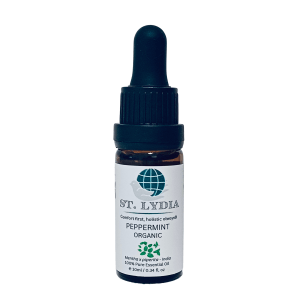
Peppermint Organic Essential Oil (Mentha x piperita) – India
Price range: €7.00 through €49.00Peppermint Organic Essential Oil (Mentha x piperita) – India
💰 VAT Included. 📦 Shipping calculated at checkout.
📦 🚚 Free nationwide delivery on orders over €60
Price range: €7.00 through €49.00 -
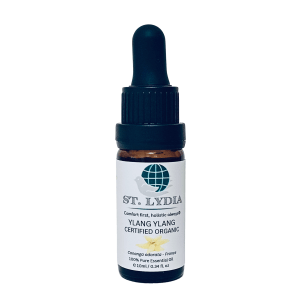
Ylang Ylang Organic Essential Oil (Cananga odorata ) – France
Price range: €13.00 through €90.00Ylang Ylang Organic Essential Oil (Cananga odorata ) – France
💰 VAT Included. 📦 Shipping calculated at checkout.
📦 🚚 Free nationwide delivery on orders over €60
Price range: €13.00 through €90.00 -
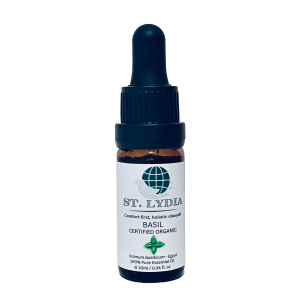
Basil Organic Essential Oil (Ocimum basilicum, ct. Methyl chavicol – Estragole) – Egypt
Price range: €10.00 through €77.00Basil Organic Essential Oil (Ocimum basilicum, ct. Methyl chavicol – Estragole) – Egypt
💰 VAT Included. 📦 Shipping calculated at checkout.
📦 🚚 Free nationwide delivery on orders over €60
Price range: €10.00 through €77.00 -
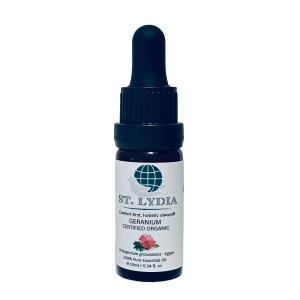
Geranium Organic Essential Oil (Pelargonium graveolens / Pelargonium asperum) – Egypt
Price range: €14.00 through €95.00Geranium Organic Essential Oil (Pelargonium graveolens / Pelargonium asperum) – Egypt
💰 VAT Included. 📦 Shipping calculated at checkout.
📦 🚚 Free nationwide delivery on orders over €60
Price range: €14.00 through €95.00
There are no reviews yet.