

Wheatgerm Oil – Unrefined (Triticum vulgare) – Turkey
€6.00
💰 VAT Included. 📦 Shipping calculated at checkout.
📦 🚚 Free nationwide delivery on orders over €60
Description
Wheatgerm Oil – Unrefined
***Wheatgerm Oil – Unrefined – History***
Wheatgerm oil is extracted from the germ (embryo) of the wheat kernel, scientifically known as Triticum vulgare. Wheat Triticum vulgare was first domesticated around 10,000 years ago in the Fertile Crescent (modern-day Middle East). It became a foundational crop for early civilisations in Mesopotamia, Egypt, and the Indus Valley. In ancient times, wheat was consumed whole. The bran, endosperm, and germ were all present in ground flour and used in baking.
With the rise of industrial milling in the 1800s, the wheat germ began to be removed from flour to extend shelf life—since it contained oils that could go rancid. The discarded germ was once considered waste. However, scientific studies in the early 20th century revealed it was the most nutrient-dense part of the wheat kernel, rich in Vitamin E, essential fatty acids, and antioxidants.
Health researchers and naturopaths began extracting oil from wheatgerm to study its health effects. It was found to be particularly rich in tocopherols (Vitamin E compounds). By the 1950s–60s, wheatgerm oil gained popularity in holistic skincare for its regenerative properties. It was used to treat scars, burns, dry skin, and even stretch marks. Around the same time, it became a staple in health food stores as a nutritional supplement. Athletes used it for its octacosanol content, believed to boost stamina and muscle function.
Today, wheatgerm is recognised as one of the most nourishing oils available—used in skincare, supplements, and even holistic therapies. Its rise is also tied to the growing consumer preference for plant-based, sustainable ingredients.
***Wheatgerm Oil – Unrefined – Benefits***
Wheatgerm oil is a valuable ingredient in natural and organic beauty products, renowned for its rich vitamin E and essential fatty acid content. It penetrates deeply into the skin, providing nourishment and rejuvenation. Wheatgerm oil’s versatility extends to diluting essential oils in aromatherapy or therapeutic blends, enhancing their effectiveness. Its warming and emollient properties stimulate blood flow during massage, alleviating muscle soreness and stiffness. Additionally, wheatgerm oil reduces irritation and inflammation caused by massage friction.
Wheatgerm oil is particularly beneficial for dry, cracked, or flaky skin, as it forms a protective barrier to lock in moisture. Its high vitamin E content effectively combats oxidative stress, reducing the visibility of fine lines and wrinkles. This oil promotes skin regeneration, aiding in the fading of scars, stretch marks, burns, and sun damage. Its natural anti-inflammatory compounds provide relief from eczema, dermatitis, and inflammation. Wheatgerm oil also supports cell renewal and circulation, contributing to a healthier complexion.
Wheatgerm oil is widely used in hair care products, particularly for those seeking to improve texture and manageability without compromising on shine. When massaged into the scalp, it enhances circulation and delivers essential nutrients that promote healthy hair growth. Wheatgerm oil is believed to restore moisture to dry, brittle, or chemically treated hair, strengthening strands and reducing breakage. It is frequently incorporated into DIY masks and added to conditioners and hot oil treatments.
In addition to its hair care benefits, wheatgerm oil finds applications in face and body oils for anti-aging and hydration. It is also utilised in lip balms to soften and protect chapped lips. Under-eye creams benefit from its vitamin-rich profile, reducing puffiness and dark circles. Wheatgerm oil’s antioxidant properties extend the shelf life of oil-based cosmetics.
✅ 100% Pure Carrier Oil – ℮ 100ml / 3.38 fl. oz
✅ Vegan-friendly and Cruelty-free
***Botanical Name*** Triticum vulgare
***Family*** Poaceae (Gramineae)
***Origin*** Turkey
***Plant Part*** Germ (embryo) of the wheat kernel.
***Extraction Method*** Cold Pressed
***Aroma*** It has a nutty, earthy, slightly grainy aroma.
***Colour*** Golden – amber
***Consistency*** Thick and heavy oil
***Absorption*** Slow-absorbing due to its thick, rich consistency.
***Composition Highlights*** Wheatgerm oil contains Vitamin E (Tocopherols), Linoleic Acid (Omega-6), Oleic Acid (Omega-9), Linolenic Acid (Omega-3), Palmitic Acid, Octacosanol, and Squalene. While these are the primary constituents, the oil may also contain minor components in smaller quantities, with major impacts.
***Storage Conditions*** Store wheatgerm oil in a cool, dark place away from direct sunlight to prevent oxidation.
***Shelf Life*** 6 – 8 months
⚠️Caution⚠️ While wheatgerm oil is generally safe and well-tolerated, there are a few important cautions and considerations to keep in mind, especially for people with sensitivities or using it for the first time.
- ***Skin Irritation*** Wheatgerm carrier oil is considered safe for most people, but it may cause skin irritation or allergic reactions in some individuals, especially those with sensitive skin. It is best to patch test on a small area (e.g., on the inner arm) before applying to the face or body. Wheatgerm oil is relatively thick and has a comedogenic rating of 5 (on a scale of 0–5), meaning it can clog pores. It is best for dry and mature skin, avoid on oily or acne-prone skin unless diluted and patch-tested first. It is safe on most irritated areas, but skip open wounds or raw skin unless guided by a dermatologist. Avoid contact with eyes, inner ears, and sensitive areas.
- ***Pregnancy and Nursing*** Wheatgerm carrier oil is generally considered safe for pregnant and breastfeeding women, especially when used topically, in moderation, and with careful consideration of potential sensitivities. If blending with essential oils, always research each oil’s safety. Avoid application on the breast/nipple area if nursing, to prevent ingestion by baby. If you’re ever unsure, run it by your healthcare provider — especially if you’re using carrier oils on larger skin areas or planning to use them regularly.
- ***Children*** Topical use on children (especially over 2 years old) is generally considered safe in small amounts. However, because children’s skin is more permeable and more reactive, extra care must be taken. It is crucial to consult with a paediatrician or healthcare provider before using it, especially if a child has any underlying health conditions or is taking medications. A paediatrician can assess the child’s individual health needs and determine if wheatgerm oil is appropriate for massage.
- ***Internal Use*** Do not ingest cosmetic grade wheatgerm oil, it can be toxic and may lead to adverse effects such as vomiting, abdominal pain, and kidney damage. Always use food-grade wheatgerm oil from reputable sources and consult with a healthcare professional before internal use.
- ***Medical Conditions*** While carrier oils are generally safe, some can potentially exacerbate certain medical conditions or interact with medications, especially when used in large amounts, internally, or on compromised skin. Carrier oils are unlikely to directly affect blood sugar, but internal use (e.g., in capsules) of certain oils could theoretically interact with diabetes medications or influence insulin sensitivity. Always disclose new product use to your healthcare provider if you’re on prescription medication or managing a chronic condition.
- ***Allergies*** Wheat germ oil may contain trace proteins—avoid if allergic to wheat or gluten. Though rare, some people may experience redness, itching or rash. Always do a patch test (e.g., on the inner arm) before using it on larger areas or the face. Discontinue use if you experience any signs of an allergic reaction.
***Note*** Although carrier oils have a longstanding history of use and are valued for their potential benefits, individual experiences may vary.
Additional information
| Directions For Use | There are many ways to enjoy the benefits of carrier oils. You can use one or more oils mixed together to make your own remedy. Topical Use (Skin & Hair)
Massage Oil
Facial Use Hair & Scalp
|
|---|---|
| Carrier Oil Dilution Guide (for Essential Oils) | ***Essential oils should never be applied directly to the skin without dilution. Carrier oils make them safe to use*** When mixing essential oils with a carrier oil, the percentage of dilution depends on who you're using it for and the purpose. Here's a simple breakdown: * 0.25% to 0.5% dilution: Ideal for infants under 2 years old. Use 1 to 2 drops of essential oil per tablespoon (15 mL) of carrier oil. ***Note*** One tablespoon equals about 15 mL, and 1 mL equals about 20 drops (depending on the dropper), so this helps when scaling recipes. |
Related products
-
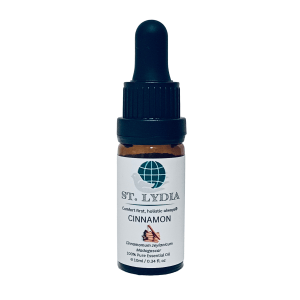
Cinnamon Natural Essential Oil (Cinnamomum zeylanicum / Cinnamomum verum) – Madagascar
Price range: €9.00 through €70.00Cinnamon Natural Essential Oil (Cinnamomum zeylanicum / Cinnamomum verum) – Madagascar
VAT Included. Shipping calculated at checkout.
Free nationwide delivery on orders over €60
Price range: €9.00 through €70.00 -
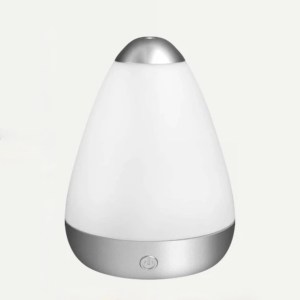
Ultrasonic Humidifier & Essential Oil Diffuser
€30.00Ultrasonic Humidifier & Essential Oil Diffuser
💰 VAT Included. 📦 Shipping calculated at checkout.
📦 🚚 Free nationwide delivery on orders over €60
€30.00 -
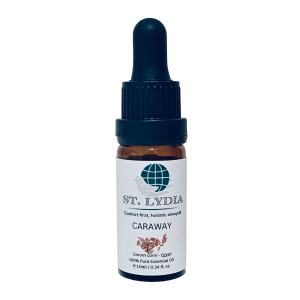
Caraway Natural Essential Oil (Carum carvi) – Egypt
Price range: €8.00 through €64.00Caraway Natural Essential Oil (Carum carvi) – Egypt
💰 VAT Included. 📦 Shipping calculated at checkout.
📦 🚚 Free nationwide delivery on orders over €60
Price range: €8.00 through €64.00 -
Helichrysum Natural Essential Oil (Helichrysum splendidum) – South Africa
Price range: €45.00 through €300.00Helichrysum Natural Essential Oil (Helichrysum splendidum) – South Africa
💰 VAT Included. 📦 Shipping calculated at checkout.
📦 🚚 Free nationwide delivery on orders over €60
Price range: €45.00 through €300.00

There are no reviews yet.