
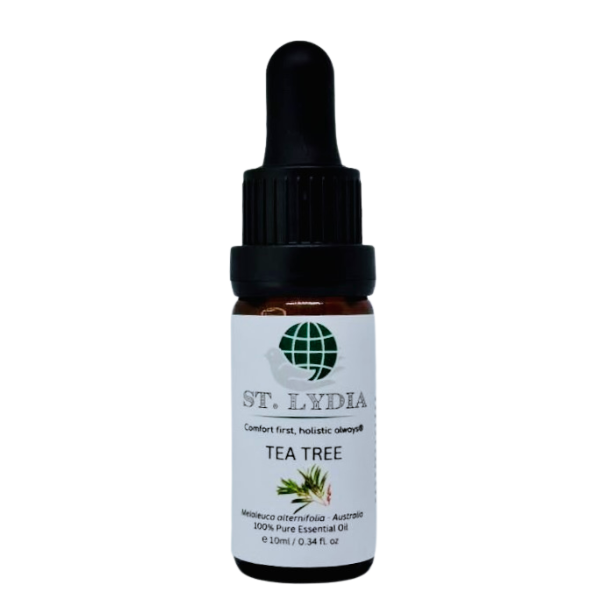
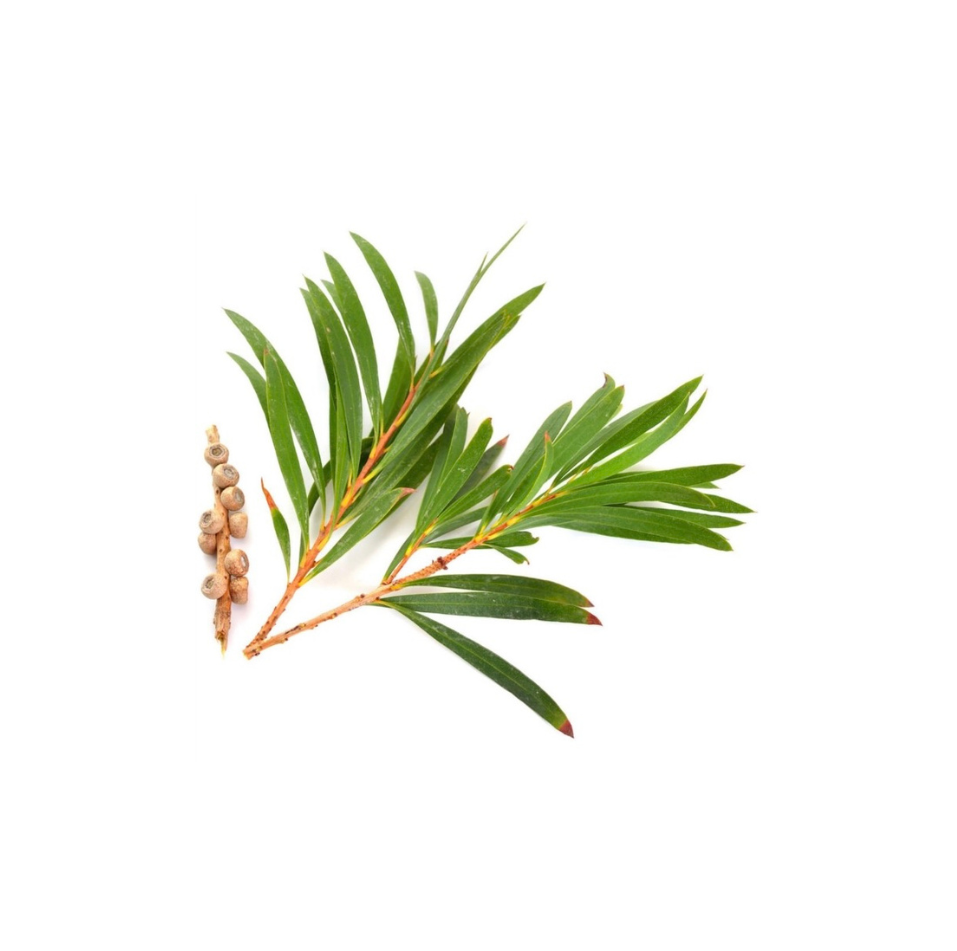
Tea Tree Natural Essential Oil – Australian (Melaleuca alternifolia) – Australia
Price range: €6.00 through €45.00
💰 VAT Included. 📦 Shipping calculated at checkout.
📦 🚚 Free nationwide delivery on orders over €60
Description
Tea Tree Natural Essential Oil
***Tea Tree Natural Essential Oil – History***
Tea tree natural essential oil is extracted from the leaves of the Tea tree, scientifically known as Melaleuca alternifolia. Native to Australia, particularly the coastal regions of New South Wales and Queensland, the tea tree has a rich history in traditional medicine and has long been regarded as a natural healer by the Aboriginal peoples of the land.
For thousands of years, the Bundjalung people of northeastern Australia were among the first to recognise the healing power of the tea tree. They used the crushed leaves of Melaleuca alternifolia in various traditional applications—inhaled for respiratory issues, applied to wounds and insect bites, and even steeped in water to make antiseptic washes. These early practices were not just anecdotal; they laid the foundation for understanding the oil’s antibacterial, antifungal, and anti-inflammatory qualities.
In Aboriginal medicine, tea tree groves were considered sacred healing spaces, and the water that collected beneath these trees—infused with natural essential oils—was used for cleansing the skin and treating infections. Though native to Australia, tea tree oil gained international attention only in the 1920s, thanks to the work of Australian chemist Arthur Penfold. Penfold conducted extensive research on the essential oil of Melaleuca alternifolia and discovered that it was 13 times more effective than carbolic acid, which was the standard antiseptic at the time. His groundbreaking studies prompted a surge of interest in tea tree oil for medical and commercial applications.
By the 1930s, tea tree oil began to be incorporated into antiseptic creams, wound dressings, and household products. It gained even more importance during World War II, when the Australian government issued tea tree oil in soldiers’ medical kits to treat infections, wounds, and tropical skin conditions in the field.
After World War II, the popularity of synthetic antibiotics and antiseptics temporarily overshadowed tea tree oil. However, with the rise of natural health movements in the 1970s and beyond, interest in tea tree oil was revived. It quickly became a key ingredient in natural skincare, hair care, cleaning products, and aromatherapy, prized for its ability to combat acne, dandruff, fungal infections, and respiratory issues—all without harsh chemicals.
Today, tea tree natural essential oil is one of the most widely studied and used essential oils globally, appreciated for its versatility, safety profile (when properly used), and proven antimicrobial action. It continues to be cultivated in Australia, where strict quality and sustainability standards help preserve its traditional integrity.
***Tea Tree Natural Essential Oil – Benefits***
Tea tree natural essential oil has become a staple in aromatherapy thanks to its powerful therapeutic properties. Known for its refreshing, medicinal aroma and potent cleansing effects, tea tree oil is valued both for physical wellness and emotional balance in modern holistic practices. One of the most defining benefits of tea tree natural essential oil in aromatherapy is its ability to cleanse and purify the air.
When diffused, it helps eliminate airborne microbes, creating a fresh and invigorating environment. This makes it especially useful during cold and flu season or in indoor spaces that require a natural antibacterial boost. Its sharp, herbal scent helps create a sense of cleanliness and mental clarity, promoting a more focused and uplifting atmosphere.
Although tea tree natural essential oil is not traditionally thought of as a calming oil, its distinctive, clarifying aroma can be emotionally grounding. In aromatherapy, it is used to help dispel mental fatigue, indecisiveness, and low energy. The refreshing scent helps clear mental “clutter,” making it an excellent choice for meditation, workspaces, or moments of transition where clarity and decisiveness are needed. Tea tree natural essential oil’s stimulating nature also supports those who feel emotionally weighed down, especially by minor physical ailments. By clearing stagnation—both physically and energetically—it fosters a renewed sense of resilience and personal strength.
Inhaling tea tree natural essential oil through steam, a diffuser, or personal inhaler may offer natural respiratory support. Its antimicrobial and expectorant qualities help open airways, ease congestion, and promote easier breathing. It is commonly included in blends for cold relief, sinus support, and environmental defense, making it a go-to for maintaining seasonal wellness. When used alongside oils such as eucalyptus, peppermint, or rosemary, tea tree oil enhances the clearing and cooling effects of respiratory blends, offering fast and gentle relief for those feeling stuffy or sluggish.
While tea tree natural essential oil is best known for topical use in skin care, aromatherapists also value its inhaled benefits for supporting skin-health energetics. For individuals with acne or skin flare-ups triggered by stress or emotional imbalance, diffusing tea tree oil can serve as part of a holistic wellness routine—addressing both the external symptoms and the internal triggers like stress or fatigue. It is also believed to help with energetic protection, warding off negativity and reinforcing healthy boundaries. This aligns with its traditional use as a cleansing agent—physically, emotionally, and energetically.
From sacred Aboriginal medicine to scientific research and global wellness, tea tree natural essential oil has maintained its reputation as a natural remedy with powerful healing potential. Its history reflects a unique blend of indigenous knowledge, scientific exploration, and modern-day application, making it a true icon in the world of natural health.
✅ 100% Pure Natural Essential Oil
✅ Vegan-friendly and Cruelty-free
***Botanical Name*** Melaleuca alternifolia
***Family*** Myrtaceae
***Origin*** Australia
***Plant Part*** Leaves
***Extraction Method*** Steam Distillation
***Aroma*** It has a medicinal, fresh, woody, earthy and herbaceous aroma.
***Colour*** Clear – Pale Yellow
***Consistency*** Thin
***Note*** Middle
***Strength*** Medium
***Blends With*** Eucalyptus, Lavender, Lemon, Peppermint, and Rosemary. These are just a few examples of essential oils that blend well with tea tree natural essential oil. Experimenting with different combinations can help create customised blends tailored to specific needs or preferences, whether for aromatherapy, skincare, or other applications.
***Chemical Composition*** Some of the main chemical constituents of tea tree natural essential oil include Terpinene-4-ol, Gamma-Terpinene, α-Terpinene, Terpinolene, 1,8-Cineole, α-Terpineol, p-Cymeme, and α-Pinene. While these are the primary constituents, the oil may also contain minor components in smaller quantities, which collectively contribute to its overall aroma and therapeutic properties.
***Storage Conditions*** Tea tree natural essential oil oxidises over time and may become more irritating to the skin. Store in a cool, dark place away from direct sunlight to prevent oxidation and degradation of its aromatic and therapeutic properties.
***Shelf Life*** 1 – 2 years
***Product Safety*** Free from potentially harmful substances like sulphates, parabens, phthalates, synthetic fragrances, formaldehydes, and mineral oil.
⚠️Caution⚠️ While tea tree natural essential oil is generally considered safe for most people, there are some cautions and considerations to keep in mind:
- ***Skin Irritation*** Some individuals may experience skin irritation or allergic reactions when using tea tree natural essential oil, especially if it is used undiluted or in high concentrations. Always perform a patch test by diluting the oil in a carrier oil (such as coconut oil or jojoba oil) and applying a small amount to a small area of skin to check for any adverse reactions before using it more extensively. Avoid contact with eyes, inner ears, and sensitive areas.
- ***Pregnancy and Nursing*** Generally considered safe in low concentrations, but consult a healthcare professional before using tea tree essential oil or any new product.
- ***Children and Pets*** Tea tree essential oil should be kept out of reach of children and pets. Children and pets are generally more sensitive to essential oils, and ingestion or improper use can lead to serious health issues.
- ***Internal Use*** Ingesting tea tree essential oil is not recommended, as it can be toxic and may cause adverse effects, and may interact with medications or exacerbate certain health conditions.
- ***Allergies*** While tea tree essential oil is generally well-tolerated when properly diluted, it can cause allergic reactions or skin irritation in some individuals, especially those with sensitive skin or a history of allergies to plants in the Myrtaceae family (e.g., eucalyptus, clove, myrtle).
Discontinue use if you experience any allergic reactions, such as skin irritation, respiratory issues, or headaches. - ***Medical Conditions*** If you have any underlying health conditions or are taking medications, consult with a healthcare professional before using tea tree essential oil. Tea tree essential oil may interact with certain medications or exacerbate certain health issues.
***Note*** Although essential oils have a longstanding history of use and are valued for their potential benefits, individual experiences may vary.
Additional information
| Directions For Use | There are many ways to enjoy the benefits of essential oils. You can use one or more oils mixed together to make your own remedy. MASSAGE: This is recognised as the most effective way of using essential oils, particularly as it couples the soothing power of touch with the benefits of the oils. To make massage oil, dilute 4 drops of essential oils into 10ml (2 teaspoons) of Carrier Oil. AROMATIC: Diffusing essential oils into the air using a diffuser can act as a natural room freshener, promote relaxation, improve mood, and help with stress relief. BATHING: Essential oils can be used in bath but only after emulsifying. So, if you want to use naturally extracted essential oil in bath, emulsify it prior to use. And for emulsifying, it is suggested to use a solubiliser such as Solubol (Dispersant) and follow the usage guidelines provided by your vendor. Add this blend to your running bath water and mix very well before getting into the tub. When essential oils are added in bath tub without emulsifying, they won't disperse but float on the water and directly react with the skin. INHALATION: This is a good way to relieve cold and congestion with essential oils. |
|---|---|
| Essential Oil Dilution Guide | Welcome to our essential oil dilution guide for topical and perfume use, where we'll explore the art and science of blending essential oils with carrier oils or alcohol for safe and effective application on the skin. Whether you're new to aromatherapy or seeking to enhance your knowledge, this guide will provide you with practical insights and guidelines for diluting essential oils to maximise their therapeutic benefits while minimising the risk of adverse reactions. From general dilution ratios for adults to considerations for children, sensitive individuals, and specific applications, we'll equip you with the knowledge and confidence to create customised blends tailored to your needs. Let's dive in and unlock the secrets of safe and effective topical use of essential oils! Here's a general guide for diluting essential oils for topical use:
Remember that these are general guidelines, and individual preferences and sensitivities may vary. It's always a good idea to start with a lower dilution and adjust as needed based on your personal experience and comfort level. If you have any concerns or specific health conditions, consult with a qualified aromatherapist or healthcare professional for personalised guidance. When creating perfumes with essential oils, you'll typically work with higher concentrations of essential oils compared to topical applications. Here's a general guide for diluting essential oils for perfumery:
Remember that creating perfumes is an art form, and there are no strict rules. Trust your senses and intuition as you explore different essential oil combinations and concentrations to create your signature scent. Keep detailed records of your formulations for future reference and refinement. |
| Packaging | 10ml and 30ml essential oils are packaged in amber glass dropper bottles with pipette for easy application. Larger sizes are packaged in amber screw cap bottles and do not come with droppers. |
Related products
-
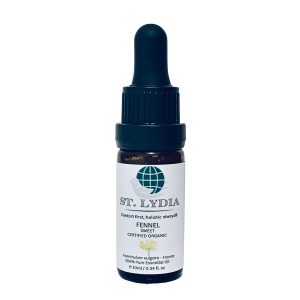
Sweet Fennel Organic Essential Oil (Foeniculum vulgare) – France
Price range: €7.00 through €49.00Sweet Fennel Organic Essential Oil (Foeniculum vulgare) – France
💰 VAT Included. 📦 Shipping calculated at checkout.
📦 🚚 Free nationwide delivery on orders over €60
Price range: €7.00 through €49.00 -
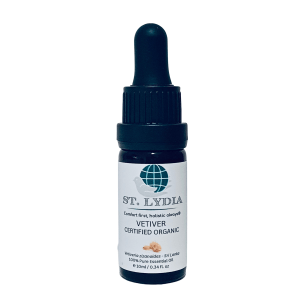
Vetiver Organic Essential Oil (Vetiveria zizanioides / Chrysopogon zizanioides) – Sri Lanka
Price range: €25.00 through €180.00Vetiver Organic Essential Oil (Vetiveria zizanioides / Chrysopogon zizanioides) – Sri Lanka
💰 VAT Included. 📦 Shipping calculated at checkout.
📦 🚚 Free nationwide delivery on orders over €60
Price range: €25.00 through €180.00 -
Lime Organic Essential Oil (Citrus aurantifolia) – Italy
Price range: €7.00 through €49.00Lime Organic Essential Oil (Citrus aurantifolia) – Italy
💰 VAT Included. 📦 Shipping calculated at checkout.
📦 🚚 Free nationwide delivery on orders over €60
Price range: €7.00 through €49.00 -
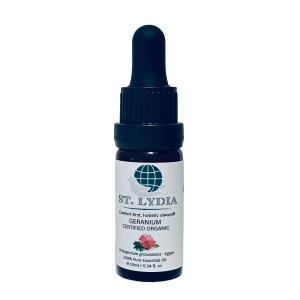
Geranium Organic Essential Oil (Pelargonium graveolens / Pelargonium asperum) – Egypt
Price range: €14.00 through €95.00Geranium Organic Essential Oil (Pelargonium graveolens / Pelargonium asperum) – Egypt
💰 VAT Included. 📦 Shipping calculated at checkout.
📦 🚚 Free nationwide delivery on orders over €60
Price range: €14.00 through €95.00

There are no reviews yet.