
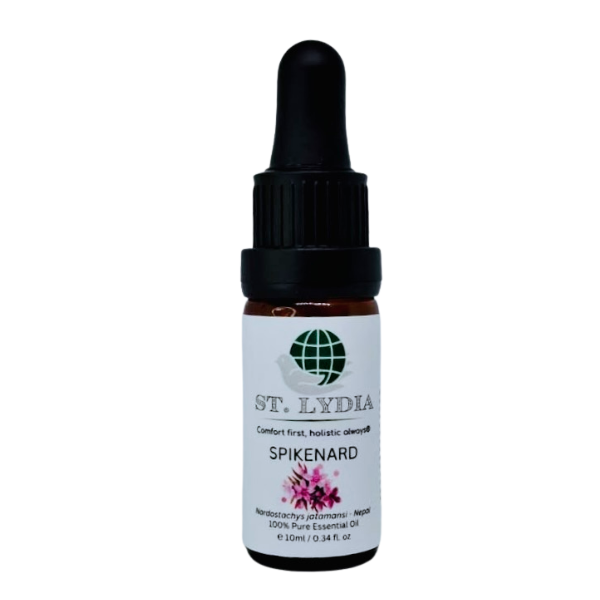
Spikenard Natural Essential Oil (Nardostachys jatamansi) – Nepal
Price range: €25.00 through €180.00
💰 VAT Included. 📦 Shipping calculated at checkout.
📦 🚚 Free nationwide delivery on orders over €60
Description
Spikenard Natural Essential Oil
***Spikenard Natural Essential Oil – History***
Spikenard natural essential oil, derived from the roots of the spikenard plant scientifically known as Nardostachys jatamansi, carries a history as deep and complex as its earthy aroma. Native to the Himalayan regions of Nepal, India, and Bhutan, this rare and precious oil has been revered for centuries across cultures for its medicinal, spiritual, and ceremonial significance.
Spikenard has its botanical origins in the high altitudes of the Himalayas, where the plant grows in rocky, mountainous terrain. For centuries, local healers in India and Nepal used the plant to treat insomnia, stress, skin conditions, and digestive issues. The oil was extracted from the plant’s roots and rhizomes, then blended into balms, perfumes, and healing ointments.
Spikenard is perhaps most famously known for its mention in ancient Judeo-Christian texts. In the Bible, spikenard is referenced multiple times, including in the Song of Solomon and the Gospel of John. One of the most well-known references describes Mary anointing the feet of Jesus with “a pound of costly spikenard” and wiping them with her hair—an act of deep reverence and devotion.
Its presence in the Bible signifies not only its material value but also its symbolic meaning. Spikenard was a sacred oil, used for anointing, purification, and honouring the divine. It was associated with humility, love, and spiritual surrender, often used in burial rituals and temple offerings.
In antiquity, spikenard was one of the most expensive perfumes and essential oils in the known world. It travelled along the trade routes from the Himalayas to Egypt, Rome, Greece, and the Middle East, where it was highly prized by royalty, priests, and healers. The high value of spikenard was due to its rarity, labour-intensive harvesting, and potent therapeutic properties. In Roman times, it was used in luxurious cosmetics and fragrances. Cleopatra herself is believed to have used spikenard in her beauty rituals.
Over time, the use of spikenard declined as trade routes shifted and more common essential oils like lavender and rose took centre stage. However, in recent decades, there has been a resurgence of interest in ancient botanical remedies—and spikenard has once again found its place in modern holistic practices. Today, it is cherished not only for its grounding and calming effects but also for the spiritual lineage it carries.
***Spikenard Natural Essential Oil – Benefits***
One of the most celebrated uses of spikenard natural essential oil is its ability to soothe the nervous system. Its earthy, musky aroma has a grounding effect that helps ease anxiety, reduce stress, and support emotional balance. Inhaling spikenard through a diffuser or applying it topically in a diluted blend can help calm racing thoughts, encourage restful sleep, and provide a sense of inner stillness. Many people turn to spikenard natural essential oil during times of grief, trauma, or major life transitions. Its deeply sedative and centring qualities make it ideal for moments when emotional healing and spiritual connection are needed most.
Spikenard natural oils’s tranquilising properties make it a powerful natural remedy for those struggling with insomnia or restlessness. When used in a nighttime routine—such as a few drops in a warm bath or on a pillow—spikenard can encourage deeper, more restorative sleep. Unlike some stimulating essential oils, spikenard natural essential oil promotes a heavy, calming sensation that helps quiet the mind and prepare the body for rest.
With its ancient ties to spiritual uses and sacred anointing, spikenard natural essential oil is frequently used in meditation and mindfulness practices. It is believed to open the heart, clear energetic blockages, and foster a sense of divine connection. Whether used alone or blended with other grounding oils like frankincense or myrrh, spikenard natural essential oil can deepen meditation, enhance focus, and cultivate an atmosphere of sacred reflection.
Beyond its emotional and spiritual benefits, spikenard natural essential oil also offers gentle support for the skin. Its anti-inflammatory and antibacterial properties make it suitable for treating minor skin irritations, such as eczema, rashes, and acne. When diluted properly with a carrier oil, spikenard can be used in facial or body oils to calm inflamed skin and promote healing
✅ 100% Pure Natural Essential Oil
✅ Vegan-friendly and Cruelty-free
***Botanical Name*** Nardostachys jatamansi
***Family*** Valerianaceae
***Origin*** Nepal
***Plant Part*** Root
***Extraction Method*** Steam Distilled
***Aroma*** It has a rich, warm, earthy, and balsamic aroma
***Colour*** Pale Amber / Greenish-Amber
***Consistency*** Medium
***Note*** Base
***Strength*** Medium
***Blends With*** Spikenard natural essential oil harmonises well with a diverse range of essential oils, including Myrrh, Patchouli, Vetiver, Sandalwood, Juniper berry, Cedar wood, Frankincense, and Neroli. These are merely a few examples of essential oils that complement the spikenard natural essential oil. By experimenting with various combinations, you can create distinctive aromas that cater to your preferences and therapeutic objectives.
***Chemical Composition*** Spikenard natural essential oil is composed of a wide variety of chemical compounds that contribute to its therapeutic properties. The exact composition can vary depending on factors like the geographic origin, and the method of extraction. However, the primary chemical constituents of spikenard oil are as follows: Nardol, Formic Acid, α-Selinene, Dihydro-B-ionone, Nardol Isomer, Selinene Isomer, and Propionic Acid. While these are the primary constituents, the oil may also contain minor components in smaller quantities, which collectively contribute to its overall aroma and therapeutic properties.
***Storage Conditions*** Store spikenard natural essential oil in a cool, dark location, shielded from direct sunlight, to prevent oxidation and degradation of its aromatic and therapeutic properties.
***Shelf Life*** 1 – 2 years
***Product Safety*** Free from potentially harmful substances like sulphates, parabens, phthalates, synthetic fragrances, formaldehydes, and mineral oil.
⚠️Caution⚠️ While spikenard natural essential oil offers many benefits, it’s important to use it with care due to its potency. It is important to follow these precautions to avoid adverse reactions:
- ***Skin Irritation*** Some individuals may experience skin irritation or allergic reactions when using spikenard natural essential oil, particularly when undiluted or in high concentrations. Prioritise safety by conducting a patch test by diluting the oil with a carrier oil (e.g., coconut oil or jojoba oil) and applying a small amount to a inconspicuous area of skin to assess for any adverse reactions. Refrain from contact with the eyes, inner ears, and sensitive regions.
- ***Pregnancy and Nursing*** Spikenard has emmenagogue properties (may stimulate menstruation), so it’s best avoided during pregnancy, especially in the first trimester. For nursing mothers, spikenard natural essential oil should be used with extra caution. Never apply near the breasts or nipples to prevent infant exposure through breastfeeding. Always seek advice from a qualified aromatherapist or healthcare provider before using any new product.
- ***Children and Pets*** Spikenard natural essential oil should not be used on children under the age of 2 unless under professional guidance. Essential oils can be very potent for young children, and some oils can be too strong for their sensitive systems. Keep spikenard essential oil out of reach of children and pets.
- ***Internal Use*** Ingesting spikenard essential oil is not recommended, as it can be toxic and may cause adverse effects.
- ***Medical Conditions*** Spikenard natural essential oil may enhance the effects of sedative medications due to its calming nature. Although not a strong anticoagulant, caution is advised if taking warfarin, aspirin, or similar medications. It is always a good idea to consult a healthcare provider if you are taking prescription medications, especially those related to blood pressure, blood clotting, or hormonal treatments.
- ***Allergies*** While uncommon, spikenard natural essential oil may trigger allergic reactions in sensitive individuals, especially those with sensitivities to other essential oils or plants in the valerian family. Symptoms may include skin irritation, swelling, or respiratory issues. Always discontinue use if you experience any signs of an allergic reaction.
***Note*** Although essential oils have a longstanding history of use and are valued for their potential benefits, individual experiences may vary.
Additional information
| Directions For Use | There are many ways to enjoy the benefits of essential oils. You can use one or more oils mixed together to make your own remedy. MASSAGE: This is recognised as the most effective way of using essential oils, particularly as it couples the soothing power of touch with the benefits of the oils. To make massage oil, dilute 4 drops of essential oils into 10ml (2 teaspoons) of Carrier Oil. AROMATIC: Diffusing essential oils into the air using a diffuser can act as a natural room freshener, promote relaxation, improve mood, and help with stress relief. BATHING: Essential oils can be used in bath but only after emulsifying. So, if you want to use naturally extracted essential oil in bath, emulsify it prior to use. And for emulsifying, it is suggested to use a solubiliser such as Solubol (Dispersant) and follow the usage guidelines provided by your vendor. Add this blend to your running bath water and mix very well before getting into the tub. When essential oils are added in bath tub without emulsifying, they won't disperse but float on the water and directly react with the skin. INHALATION: This is a good way to relieve cold and congestion with essential oils. |
|---|---|
| Essential Oil Dilution Guide | Welcome to our essential oil dilution guide for topical and perfume use, where we'll explore the art and science of blending essential oils with carrier oils or alcohol for safe and effective application on the skin. Whether you're new to aromatherapy or seeking to enhance your knowledge, this guide will provide you with practical insights and guidelines for diluting essential oils to maximise their therapeutic benefits while minimising the risk of adverse reactions. From general dilution ratios for adults to considerations for children, sensitive individuals, and specific applications, we'll equip you with the knowledge and confidence to create customised blends tailored to your needs. Let's dive in and unlock the secrets of safe and effective topical use of essential oils! Here's a general guide for diluting essential oils for topical use:
Remember that these are general guidelines, and individual preferences and sensitivities may vary. It's always a good idea to start with a lower dilution and adjust as needed based on your personal experience and comfort level. If you have any concerns or specific health conditions, consult with a qualified aromatherapist or healthcare professional for personalised guidance. When creating perfumes with essential oils, you'll typically work with higher concentrations of essential oils compared to topical applications. Here's a general guide for diluting essential oils for perfumery:
Remember that creating perfumes is an art form, and there are no strict rules. Trust your senses and intuition as you explore different essential oil combinations and concentrations to create your signature scent. Keep detailed records of your formulations for future reference and refinement. |
| Packaging | 10ml and 30ml essential oils are packaged in amber glass dropper bottles with pipette for easy application. Larger sizes are packaged in amber screw cap bottles and do not come with droppers. |
Related products
-
Helichrysum Natural Essential Oil (Helichrysum splendidum) – South Africa
Price range: €45.00 through €300.00Helichrysum Natural Essential Oil (Helichrysum splendidum) – South Africa
💰 VAT Included. 📦 Shipping calculated at checkout.
📦 🚚 Free nationwide delivery on orders over €60
Price range: €45.00 through €300.00 -
Jasmine Absolute (Jasmine grandiflorum) – India
Price range: €45.00 through €300.00Jasmine Absolute (Jasmine grandiflorum) – India
💰 VAT Included. 📦 Shipping calculated at checkout.
📦 🚚 Free nationwide delivery on orders over €60
Price range: €45.00 through €300.00 -
Patchouli Organic Essential Oil (Pogostemon cablin) – New Guinea
Price range: €12.00 through €70.00Patchouli Organic Essential Oil (Pogostemon cablin) – New Guinea
💰 VAT Included. 📦 Shipping calculated at checkout.
📦 🚚 Free nationwide delivery on orders over €60
Price range: €12.00 through €70.00 -
Geranium Organic Essential Oil (Pelargonium graveolens / Pelargonium asperum) – Egypt
Price range: €14.00 through €95.00Geranium Organic Essential Oil (Pelargonium graveolens / Pelargonium asperum) – Egypt
💰 VAT Included. 📦 Shipping calculated at checkout.
📦 🚚 Free nationwide delivery on orders over €60
Price range: €14.00 through €95.00

There are no reviews yet.