


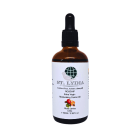

Rosehip Extra Virgin – Unrefined Seed Oil (Rosa rubiainosa, mosqueta) – Chile
€15.00
💰 VAT Included. 📦 Shipping calculated at checkout.
📦 🚚 Free nationwide delivery on orders over €60
Description
Rosehip Extra Virgin – Unrefined Seed Oil
***Rosehip Extra Virgin – Unrefined Seed Oil– History***
Rosehip extra virgin – unrefined seed oil, also known as sweet briar or eglantine rose, is extracted from the seeds of the rose fruit (called hip), scientifically known as Rosa rubiginosa, mosqueta, a wild rose species native to the Andes region of South America, particularly Chile and Argentina. Though the rose itself has long existed across Europe and South America, the oil derived from its seeds gained attention only in the last century.
Indigenous peoples in the Andes used rose hips (the fruit of the rose) for centuries, it was used internally as a rich source of Vitamin C (especially in teas for immunity). It was used topically for treating wounds, burns, and inflammation. However, they did not commonly use the oil in its extracted form.
In the 1980s, modern use of Rose hip oil was pioneered through studies in Chile, which found that the oil helped regenerate skin tissue, reduced scars and stretch marks, and improved skin tone and texture. These studies, including research by Dr. Fabiola Carbajal and the University of Concepción, validated the oil’s skin rejuvenating properties. During 1990s–2000s, rosehip oil became a natural skincare trend globally, especially in Europe, North America, and Australasia.
High-profile figures like Miranda Kerr and Kate Middleton publicly praised rosehip oil, increasing demand. It is prized for its naturally occurring retinoic acid, essential fatty acids, and antioxidants. It is considered a “dry oil” due to its rapid absorption and non-greasy feel and favoured by formulators for natural, non-comedogenic skincare. It is now widely used in serums, facial oils, and formulations focused on anti-aging, scar repair, and hydration. Rosehip extra virgin – unrefined seed oil is cold-pressed, unrefined (no chemical treatment), and minimally processed, preserving the highest level of nutrients and active compounds.
***Rosehip Extra Virgin – Unrefined Seed Oil– Benefits***
Rosehip extra virgin – unrefined seed oil stands out as a highly therapeutically valuable and nutrient-dense carrier oil in the realm of aromatherapy and skincare. Unlike conventional carrier oils such as sweet almond or grapeseed, rosehip oil actively contributes to the overall health and well-being of the skin while effectively delivering essential oils. The incorporation of Rosehip extra virgin – unrefined seed oil with essential oils for massage therapy presents a synergistic combination of therapeutic touch, aromatherapy, and skin-nourishing benefits.
Rosehip extra virgin – unrefined seed oil is particularly well-suited for facial, scar-healing, or targeted treatment massage, although it can also be utilised for full-body massage when blended with other slippery carrier oils such as sweet almond, jojoba, or fractionated coconut to enhance glide. Rosehip extra virgin – unrefined seed oil enhances the efficacy of essential oils, facilitating the absorption of fat-soluble plant compounds. Its inherent antioxidants, including vitamin E and beta-carotene, safeguard essential oils from rapid degradation and synergistically contribute to anti-aging, healing, and inflammation treatments.
Rich in skin-regenerating nutrients, Rosehip extra virgin – unrefined seed oil contains trans-retinoic acid, a natural form of vitamin A. This compound supports cell turnover, healing, and collagen production. It is abundant in essential fatty acids, including linoleic acid (omega-6), which helps to alleviate inflammation and balance sebum production. Alpha-linolenic acid (omega-3) further supports barrier repair, making it ideal for scar reduction, stretch marks, wrinkles, and sun-damaged skin.
Deep hydration without greasiness is a hallmark of rosehip seed oil. Its lightweight and dry nature allows it to absorb quickly into the skin, preventing the clogging of pores. With a non-comedogenic rating of 1, rosehip oil is suitable for acne-prone or oily skin types.
Rosehip extra virgin – unrefined seed oil is renowned for its ability to diminish scars, hyperpigmentation, and fine lines. Its combination of vitamin A and fatty acids promotes even skin tone and tissue regeneration, making it an excellent choice for post-acne marks, stretch marks, and surgical scars. This oil possesses anti-inflammatory and soothing properties, naturally alleviating redness, itching, and sensitivity. It serves as an ideal base for essential oil blends suitable for eczema- or rosacea-prone individuals.
Rosehip extra virgin – unrefined seed oil supports mature, dry, and damaged skin by replenishing the lipid barrier and restoring elasticity. It is particularly beneficial for aging skin care and post-sun exposure. It is safe for delicate areas, gentle enough for under-eye and neck regions, and can be applied to scars and healing skin (excluding open wounds).
✅ 100% Pure Carrier Oil – ℮ 100ml / 3.38 fl. oz
✅ Vegan-friendly and Cruelty-free
***Botanical Name*** Rosa rubiginosa, mosqueta
***Family*** Rosaceae
***Origin*** Chile
***Plant Part*** Seeds
***Extraction Method*** Cold Pressed
***Aroma*** It is has a mild, slightly nutty or earthy aroma.
***Colour*** Deep Amber – Reddish Orange
***Consistency*** Light, non-greasy
***Absorption*** Absorbs quickly into the skin.
***Composition Highlights*** Rosehip extra virgin – unrefined seed oil contains Linoleic Acid (Omega-6), Alpha-Linolenic Acid (Omega-3), Oleic Acid (Omega-9), Provitamin A (trans-retinoic acid), Tocopherols (Vitamin E), Carotenoids, Polyphenols and Antioxidants. While these are the primary constituents, the oil may also contain minor components in smaller quantities, with major impacts.
***Storage Conditions*** Store Rosehip extra virgin – unrefined seed oil in a cool, dark place away from direct sunlight to prevent oxidation.
***Shelf Life*** 3 – 6 months
⚠️Caution⚠️ While Rosehip extra virgin – unrefined seed oil is generally safe, there are key cautions and considerations when using Rose Hip (Rosa rubiginosa) extra virgin seed oil, especially given its unrefined, potent nature:
- ***Skin Irritation*** Rosehip extra virgin – unrefined seed oil is considered safe for most people, but it may cause skin irritation or allergic reactions in some individuals, especially those with sensitive skin. It is best to patch test on a small area (e.g., on the inner arm) before applying to the face or body. Though rose hip oil is non-comedogenic (rating 1), oxidised oil or overuse may clog pores, trigger acne or milia in sensitive individuals. While not as photosensitising as citrus oils, its retinoic acid content may increase sun sensitivity slightly. Use primarily at night, and wear sunscreen during the day if using regularly. Use within 3–6 months of opening, consider adding a few drops of Vitamin E (tocopherol) as a natural preservative. It is safe on most dry or irritated areas, but skip open wounds or raw skin unless guided by a dermatologist. Avoid contact with eyes, inner ears, and sensitive areas.
- ***Pregnancy and Nursing*** Rosehip extra virgin – unrefined seed oil is generally considered safe during pregnancy and breastfeeding, especially when used in small amounts, on intact skin, or as part of a routine for scars, stretch marks, or for moisturisation. No strong evidence shows that rose hip seed oil’s minimal retinoid content causes harm when applied externally. Avoid application on the breast/nipple area if nursing, to prevent ingestion by baby. If blending with essential oils, always research each oil’s safety. If you’re ever unsure, run it by your healthcare provider — especially if you’re using carrier oils on larger skin areas or planning to use them regularly.
- ***Children*** Topical use on children (especially over 2 years old) is generally considered safe in small amounts. However, because children’s skin is more permeable and more reactive, extra care must be taken—especially with unrefined, extra virgin oils. However, it’s crucial to consult with a paediatrician or healthcare provider before using it, especially if a child has any underlying health conditions or is taking medications. A paediatrician can assess the child’s individual health needs and determine if rosehip seed oil is appropriate for massage.
- ***Internal Use*** Do not ingest Rosehip extra virgin – unrefined seed oil. Ingesting oils not intended for oral use may lead to nausea, diarrhea, and stomach cramps. If you’re interested in rosehip’s internal benefits, use rosehip extract, powder, or capsules made from the fruit, not the seed oil. These forms are often standardised, food-grade, and clinically studied. Always consult with a healthcare professional before internal use.
- ***Medical Conditions*** Before using Rosehip extra virgin – unrefined seed oil, it is advisable to consult a medical professional. This is particularly important if you have autoimmune skin conditions, are currently undergoing retinoid therapy, have a history of liver disease or vitamin A toxicity, are taking blood thinners, or plan to use the oil after surgery or dermatological treatment. Rosehip extra virgin – unrefined seed oil is a natural remedy that contains trans-retinoic acid, a form of vitamin A. While it offers potential health benefits, it is essential to be aware of its potential interactions with certain medical conditions. Trans-retinoic acid in rosehip seed oil may interact with liver conditions such as cirrhosis and hepatitis. Vitamin E and omega-3 fatty acids present in the oil can mildly affect blood clotting. Individuals with haemophilia or bleeding disorders, as well as those taking anticoagulants like warfarin, aspirin, or clopidogrel, should exercise caution when using rosehip seed oil. It is crucial to consult a healthcare professional before use.
- ***Allergies*** Rosehip extra virgin – unrefined seed oil is cold-pressed from the seeds of the rosehip fruit and contains natural fatty acids, Vitamin A derivatives ), polyphenols and tannins. While these components are beneficial, they may cause allergic responses in sensitive users; If you have a known allergy to roses or the Rosaceae family, if you’ve had a previous reaction to rosehip oil or extracts, if you’re experiencing active eczema or skin infection, if you have severe fragrance or plant compound sensitivities. Though rare, some people may experience redness, itching or rash. Always do a patch test (e.g., on the inner arm) before using it on larger areas or the face. Discontinue use if you experience any signs of an allergic reaction.
***Note*** Although carrier oils have a longstanding history of use and are valued for their potential benefits, individual experiences may vary.
Additional information
| Directions For Use | There are many ways to enjoy the benefits of carrier oils. You can use one or more oils mixed together to make your own remedy. Topical Use (Skin & Hair) Massage Oil
Facial Use Hair & Scalp
|
|---|---|
| Carrier Oil Dilution Guide (for Essential Oils) | ***Essential oils should never be applied directly to the skin without dilution. Carrier oils make them safe to use*** When mixing essential oils with a carrier oil, the percentage of dilution depends on who you're using it for and the purpose. Here's a simple breakdown: * 0.25% to 0.5% dilution: Ideal for infants under 2 years old. Use 1 to 2 drops of essential oil per tablespoon (15 mL) of carrier oil. ***Note*** One tablespoon equals about 15 mL, and 1 mL equals about 20 drops (depending on the dropper), so this helps when scaling recipes. |
Related products
-
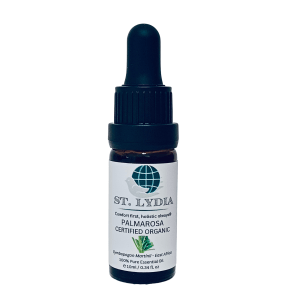
Palmarosa Organic Essential Oil (Cymbopogon martinii) – East Africa
Price range: €14.00 through €95.00Palmarosa Organic Essential Oil (Cymbopogon martinii) – East Africa
💰 VAT Included. 📦 Shipping calculated at checkout.
📦 🚚 Free nationwide delivery on orders over €60
Price range: €14.00 through €95.00 -
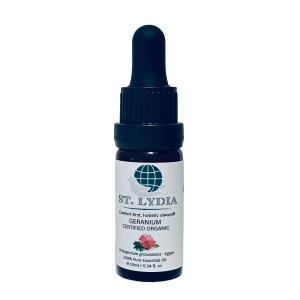
Geranium Organic Essential Oil (Pelargonium graveolens / Pelargonium asperum) – Egypt
Price range: €14.00 through €95.00Geranium Organic Essential Oil (Pelargonium graveolens / Pelargonium asperum) – Egypt
💰 VAT Included. 📦 Shipping calculated at checkout.
📦 🚚 Free nationwide delivery on orders over €60
Price range: €14.00 through €95.00 -
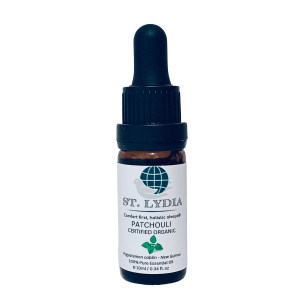
Patchouli Organic Essential Oil (Pogostemon cablin) – New Guinea
Price range: €12.00 through €70.00Patchouli Organic Essential Oil (Pogostemon cablin) – New Guinea
💰 VAT Included. 📦 Shipping calculated at checkout.
📦 🚚 Free nationwide delivery on orders over €60
Price range: €12.00 through €70.00 -
Helichrysum Natural Essential Oil (Helichrysum splendidum) – South Africa
Price range: €45.00 through €300.00Helichrysum Natural Essential Oil (Helichrysum splendidum) – South Africa
💰 VAT Included. 📦 Shipping calculated at checkout.
📦 🚚 Free nationwide delivery on orders over €60
Price range: €45.00 through €300.00

There are no reviews yet.