
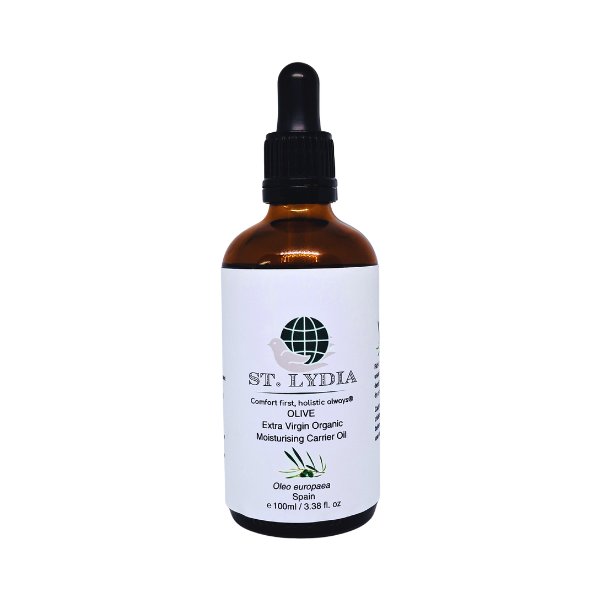

Olive Extra Virgin Organic Oil (Olea europaea) – Spain
€7.00
💰 VAT Included. 📦 Shipping calculated at checkout.
📦 🚚 Free nationwide delivery on orders over €60
Description
Olive Extra Virgin Organic Oil
***Olive Extra Virgin Organic Oil – History***
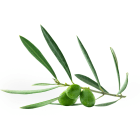
Olive Extra Virgin Organic Oil is extracted from the fruit of the olive tree, scientifically known as Olea europaea. The olive tree is believed to have originated in Asia Minor, specifically the coastal areas of the Eastern Mediterranean (modern-day Syria, Palestine, Israel, and Crete). Olive trees have been a part of history for centuries and are still an important part of the culture and economy of many countries today, specially in Spain. Global production is dominated by Spain, Italy, Greece, and Turkey, though many other regions have become significant producers.
The extra virgin olive oil of Spain is one of the most important products of the olive tree industry in Spain. It is produced from the cold pressing of olives and is used in a variety of ways. Virgin olive oil is a high-quality, minimally processed form of olive oil, extracted only through mechanical means, with no chemical treatment. Extra virgin olive oil (EVOO) is the highest grade, with very low acidity and no flavour defects.
The earliest evidence of olive oil production dates back to approximately 6000 BCE in the Levant region. By 3000 BCE, the Minoans of Crete had already cultivated olive trees and developed oil extraction techniques. Olive oil holds a sacred role in the Bible, particularly in Exodus 30, where it serves as the base for the holy anointing oil—a specially consecrated mixture central to the religious practices of ancient Israel. In ancient Egypt, olive oil was utilised as fuel for sacred lamps. In ancient Greece, olive oil symbolised peace and prosperity. Victors of the Olympic Games were crowned with olive wreaths and awarded oil.
Olive oil became an integral part of daily life in ancient Greece and Rome, not only for culinary purposes but also for cosmetics, medicine, and lighting. The Romans advanced oil extraction techniques and established olive cultivation throughout their empire, particularly in Italy, Spain, and North Africa. Olive oil was highly valued in antiquity and was extensively traded in amphorae across the Mediterranean. Major cities such as Athens, Pompeii, and Carthage flourished economically due to olive oil production.
During the Middle Ages, olive oil production declined in parts of Europe due to political instability, especially in northern regions. With the rise of Christian monasteries, olive oil regained importance, especially for liturgical use. Spanish and Portuguese colonists introduced olive trees to the Americas, especially in Mexico, Peru, Chile, and later California. By the 19th century, olive oil production and consumption became more industrialised and widespread across the globe. It is now central to the Mediterranean diet, celebrated for its health benefits, including heart health, anti-inflammatory properties, and antioxidants.
***Olive Extra Virgin Organic Oil – Benefits***
Olive Extra Virgin Organic Oil is rich in oleic acid, a monounsaturated fatty acid, which deeply hydrates and nourishes dry or rough skin. It creates a protective barrier that locks in moisture without clogging pores (suitable for dry to normal skin types). The oil contains vitamin E, polyphenols, and squalene—natural antioxidants that combat free radicals, slow down skin aging, and minimise fine lines and wrinkles.
Olive Extra Virgin Organic Oil possesses anti-inflammatory properties, making it beneficial for soothing eczema, psoriasis, and dermatitis by reducing redness and irritation, and facilitating the healing of minor wounds or sunburns. It gently dissolves makeup, including waterproof formulas, while nourishing the skin. Unlike other oils, it does not strip the skin of its natural oils.
Olive Extra Virgin Organic Oil exhibits mild antibacterial properties, which can be beneficial for acne-prone skin when used appropriately, particularly when combined with essential oils such as tea tree or lavender. It is commonly utilised in hair and scalp treatments to strengthen hair shafts, enhance shine, treat dandruff and dry scalp due to its moisturising and anti-fungal properties, and promote hair growth by nourishing follicles. Olive Extra Virgin Organic Oil is gentle enough for use on infants and sensitive skin, making it a preferred choice for baby massage and diaper rash relief.
✅ 100% Pure Carrier Oil – ℮ 100ml / 3.38 fl. oz
✅ Vegan-friendly and Cruelty-free
***Botanical Name*** Olea europaea
***Family*** Oleaceae
***Origin*** Spain
***Plant Part*** Fruit
***Extraction Method*** Cold Pressed
***Aroma*** It has distinct fruity aroma, often described as reminiscent of green olives.
***Colour*** Light – Medium Green
***Consistency*** Thick
***Absorption*** Oily
***Composition Highlights*** Olive Extra Virgin Organic Oil contains approximately 55-83% Oleic acid, Linoleic acid, Palmitic acid, Vitamin E, Vitamin K, Vitamin A. Other Compounds include Squalene, Polyphenols (like oleuropein), and Sterols. While these are the primary constituents, the oil may also contain minor components in smaller quantities, with major impacts.
***Storage Conditions*** Store Olive Extra Virgin Organic Oil in a cool, dark place away from direct sunlight to prevent oxidation.
***Shelf Life*** 1 – 2 years
⚠️Caution⚠️ While Olive Extra Virgin Organic Oil (Olea europaea) is generally safe and gentle, there are a few cautions to keep in mind, especially when using it as a carrier oil in skincare or aromatherapy. Here’s what to know:
- ***Skin Irritation*** Olive Extra Virgin Organic Oil is moderately comedogenic, meaning it may clog pores for some people, especially those with oily, acne-prone or sensitive skin types, consider blending it with lighter oils like jojoba or grapeseed. It is best to patch test on a small area (e.g., on the inner arm) before applying to the face or body. Avoid applying to broken or irritated skin. Avoid contact with eyes, inner ears, and sensitive areas.
- ***Pregnancy and Nursing*** Olive Extra Virgin Organic Oil is generally considered safe for pregnant and breastfeeding women, especially when used topically, in moderation, and with careful consideration of potential sensitivities. If blending with essential oils, always research each oil’s safety. If you’re ever unsure, run it by your healthcare provider — especially if you’re using carrier oils on larger skin areas or planning to use them regularly.
- ***Children*** While often used in baby massage, it may affect the skin barrier function in very young infants. Some studies suggest that olive oil might disrupt the natural moisture balance of preterm babie’s skin. Use with care and consult a paediatrician for infants under 6 months. Keep out of reach of children and pets to prevent accidental ingestion or contact.
- ***Internal Use*** While olive oil is commonly used in culinary applications, ingesting Olive Extra Virgin Organic Oil can be toxic and may lead to adverse effects such as vomiting, abdominal pain, and kidney damage. Always use food-grade olive oil from reputable sources and consult with a healthcare professional before internal use.
- ***Medical Conditions*** While carrier oils are generally safe, some can potentially exacerbate certain medical conditions or interact with medications, especially when used in large amounts, internally, or on compromised skin. Carrier oils are unlikely to directly affect blood sugar, but internal use (e.g., in capsules) of certain oils could theoretically interact with diabetes medications or influence insulin sensitivity. If you’re using oils over large skin areas regularly, your liver and kidneys are involved in processing any compounds absorbed. People with impaired function might need to be cautious.
- ***Allergies*** Those with nut allergies should consult their medical practitioner before coming into contact with nut oils, butters or other nut products. Though rare, some people may experience redness, itching or rash. Always do a patch test (e.g., on the inner arm) before using it on larger areas or the face. Always discontinue use if you experience any signs of an allergic reaction.
***Note*** Although carrier oils have a longstanding history of use and are valued for their potential benefits, individual experiences may vary.
Additional information
| Directions For Use | There are many ways to enjoy the benefits of carrier oils. You can use one or more oils mixed together to make your own remedy. Topical Use (Skin & Hair) Massage Oil Facial Use Hair & Scalp |
|---|---|
| Carrier Oil Dilution Guide (for Essential Oils) | ***Essential oils should never be applied directly to the skin without dilution. Carrier oils make them safe to use*** When mixing essential oils with a carrier oil, the percentage of dilution depends on who you're using it for and the purpose. Here's a simple breakdown: * 0.25% to 0.5% dilution: Ideal for infants under 2 years old. Use 1 to 2 drops of essential oil per tablespoon (15 mL) of carrier oil. ***Note*** One tablespoon equals about 15 mL, and 1 mL equals about 20 drops (depending on the dropper), so this helps when scaling recipes. |
Related products
-
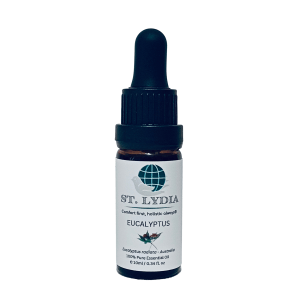
Eucalyptus radiata Natural Essential Oil (Eucalyptus radiata) – Australia
Price range: €7.00 through €54.00Eucalyptus radiata Natural Essential Oil (Eucalyptus radiata) – Australia
💰 VAT Included. 📦 Shipping calculated at checkout.
📦 🚚 Free nationwide delivery on orders over €60
Price range: €7.00 through €54.00 -
Lime Organic Essential Oil (Citrus aurantifolia) – Italy
Price range: €7.00 through €49.00Lime Organic Essential Oil (Citrus aurantifolia) – Italy
💰 VAT Included. 📦 Shipping calculated at checkout.
📦 🚚 Free nationwide delivery on orders over €60
Price range: €7.00 through €49.00 -
Frankincense Natural Essential Oil (Boswellia carterii) – Somalia
Price range: €18.00 through €140.00Frankincense Natural Essential Oil (Boswellia carterii) – Somalia
💰 VAT Included. 📦 Shipping calculated at checkout.
📦 🚚 Free nationwide delivery on orders over €60
Price range: €18.00 through €140.00 -
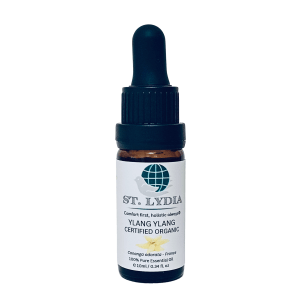
Ylang Ylang Organic Essential Oil (Cananga odorata ) – France
Price range: €13.00 through €90.00Ylang Ylang Organic Essential Oil (Cananga odorata ) – France
💰 VAT Included. 📦 Shipping calculated at checkout.
📦 🚚 Free nationwide delivery on orders over €60
Price range: €13.00 through €90.00


There are no reviews yet.