
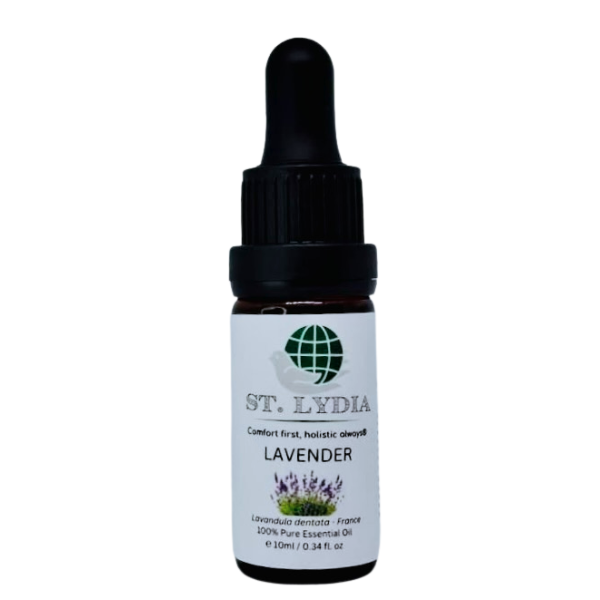

Lavender Natural Essential Oil – French (Lavandula dentata) – France
Price range: €7.00 through €58.00
💰 VAT Included. 📦 Shipping calculated at checkout.
📦 🚚 Free nationwide delivery on orders over €60
Description
Lavender Natural Essential Oil
***Lavender Natural Essential Oil – History***
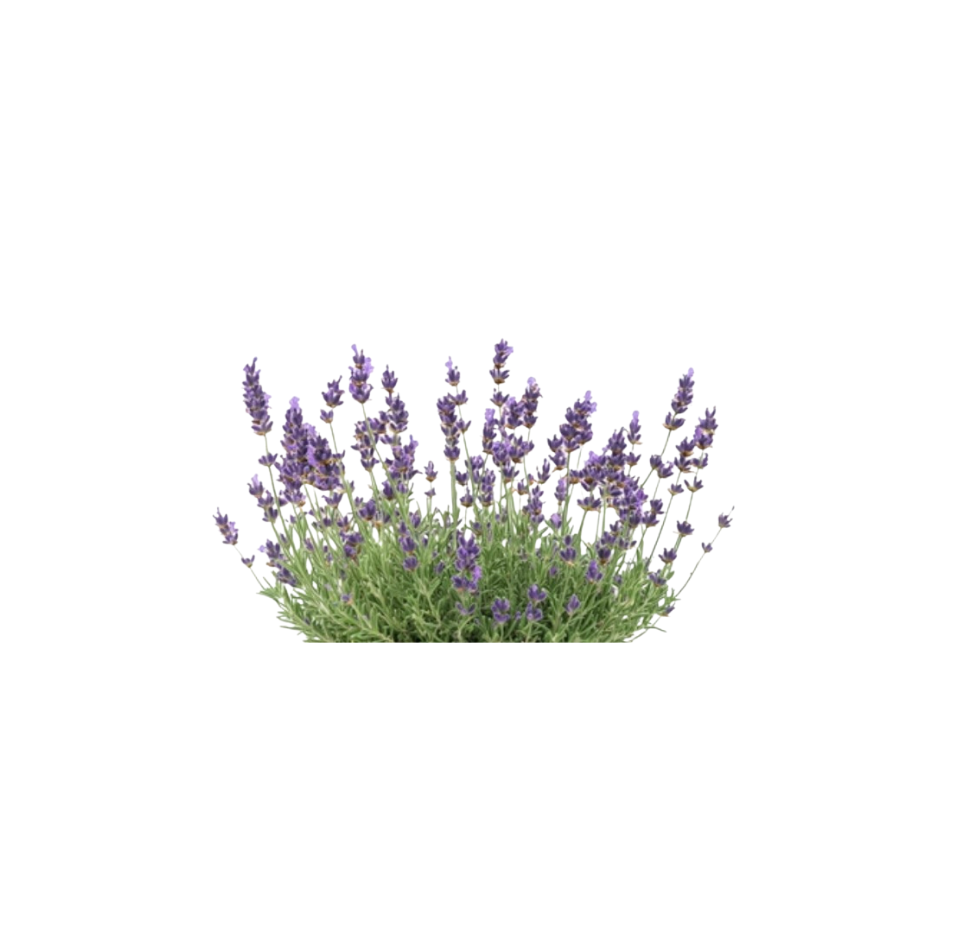
Lavender essential oil ( Lavandula dentata) derived from the flowering tops of the toothed lavender also known as fringed lavender (another type of French lavender), scientifically known as Lavandula dentata, offers a distinctive twist on the classic lavender profile. Native to the warm, rocky landscapes of the Mediterranean, particularly Spain and North Africa, it is distinguishable by its toothed (dentate) leaves, fringed flower spikes, and less intense floral aroma compared to Lavandula angustifolia. While not as widely used as true lavender, Lavandula dentata offers unique aromatic and therapeutic properties that make it valuable in natural wellness and perfumery.
Lavandula dentata, is a lesser-known yet historically significant member of the lavender family, it has been cultivated for centuries for its fragrant foliage, attractive flowers, and medicinal properties. While Lavandula angustifolia (true lavender) held prominence in classical Greek, Roman, and Egyptian texts, Lavandula dentata was also used in folk medicine and domestic herbal practices throughout the Iberian Peninsula and North Africa. Its toothed leaves and camphorous scent made it particularly valued for respiratory support and insect-repelling properties.
In traditional Mediterranean herbalism, Lavandula dentata was often infused in oils, steeped in teas, or bundled in herbal sachets. It was believed to have a cleansing, uplifting energy, and was used to freshen homes, ward off pests, and ease breathing troubles.
By the 18th and 19th centuries, Lavandula dentata began to spread across European gardens, especially in France and England, where it became popular for its decorative value—thanks to its distinctive serrated leaves and long-lasting blooms. Its adaptability to warm, arid climates made it ideal for colonial gardens and Mediterranean-style landscaping. Though not traditionally used in perfumery like true lavender, its camphor-rich essential oil became recognised in the 20th century for its potential in aromatherapy and natural respiratory care.
***Lavender Natural Essential Oil – Benefits***
Today, Lavender (dentata) essential oil holds a valuable place in the world of aromatherapy and natural wellness. This essential oil is celebrated for its stimulating yet calming properties, offering a gentle lift to the mind while still promoting balance and relaxation. Unlike Lavandula angustifolia, which is rich in linalyl acetate and lends a soft, floral scent, Lavandula dentata contains higher levels of 1,8-cineole and camphor, giving it a more earthy, medicinal edge.
These constituents contribute to its effectiveness in respiratory blends, cleansing formulas, and focus-enhancing diffuser applications. The aroma is warm and penetrating, making it particularly well-suited for energising morning routines or clearing the air during seasonal discomfort.
Lavender (dentata) essential oil shines in situations where mental clarity, respiratory ease, or mild emotional support is needed. Inhalation of the oil may help reduce feelings of mental fog or tension while gently supporting concentration. It is often used in diffuser blends, massage oils, and natural remedies for mild congestion or nervous energy. Despite its camphorous quality, the oil still carries the grounding, calming undertones for which lavender is beloved. This makes it a great choice for those who find Lavandula angustifolia too sedative or overly floral and prefer a more herbal, invigorating experience.
Topically, Lavender (dentata) essential oil can be added (when properly diluted) to massage blends for sore muscles, or to skincare products designed for oily or congested skin types. It also makes an excellent addition to homemade cleaning products, thanks to its fresh, clarifying scent and potential antimicrobial properties. Due to its slightly more stimulating nature, it is best used during the day or in blends aimed at clarity, breathing support, and focus. It pairs beautifully with essential oils such as eucalyptus, rosemary, lemon, tea tree, and peppermint.
While Lavandula dentata may not share the same deep cultural roots as Lavandula angustifolia (true lavender) in ancient perfumes and healing practices, its unique aroma, resilience, and therapeutic value have earned it a respected place in the broader history of medicinal and aromatic plants.
✅ 100% Pure Natural Essential Oil
✅ Vegan-friendly and Cruelty-free
***Botanical Name*** Lavandula dentata
***Family*** Lamiaceae
***Origin*** France
***Plant Part*** Flowering Tops
***Extraction Method*** Steam Distillation
***Aroma*** It has a warm, herbaceous, slightly camphorous with a touch of rosemary-like sharpness.
***Colour*** Pale Yellow – Colourless
***Consistency*** Thin
***Note*** Top
***Strength*** Medium
***Blends With*** Myrrh, Rosemary, Rosewood, Ylang-Ylang, Geranium, Chamomile, Jasmine, and Palmarosa. These are just a few examples of essential oils that blend well with Lavender essential oil. Experimenting with different combinations can help create customised blends tailored to specific needs or preferences, whether for aromatherapy, skincare, or other applications.
***Chemical Composition*** Some of the main chemical constituents of Lavender essential oil include Linalyl Acetate, Linalool, Borneol, Camphor, and 1,8-cineole (Eucalyptol). While these are the primary constituents, the oil may also contain minor components in smaller quantities, which collectively contribute to its overall aroma and therapeutic properties.
***Storage Conditions*** Store Lavender essential oil in a cool, dark place away from direct sunlight to prevent oxidation and degradation of its aromatic and therapeutic properties.
***Shelf Life*** 1 – 2 years
***Product Safety*** Free from potentially harmful substances like sulphates, parabens, phthalates, synthetic fragrances, formaldehydes, and mineral oil.
⚠️Caution⚠️ While Lavender essential oil is generally considered safe for most people, there are some cautions and considerations to keep in mind:
- ***Skin Irritation*** Some individuals may experience skin irritation or allergic reactions when using Lavender essential oil, especially if it is used undiluted or in high concentrations. Always perform a patch test by diluting the oil in a carrier oil (such as coconut oil or jojoba oil) and applying a small amount to a small area of skin to check for any adverse reactions before using it more extensively. Avoid contact with eyes, inner ears, and sensitive areas.
- ***Pregnancy and Nursing*** Lavender essential oil should be avoided during pregnant and breast feeding. Always consult a healthcare professional before using it as the stimulating components may not be suitable.
- ***Children and Pets*** Due to its higher camphor and 1,8-cineole content, Lavender essential oil is not recommended for children under 6 years. Essential oils should be kept out of reach of children and pets. Children and pets are generally more sensitive to essential oils, and ingestion or improper use can lead to serious health issues.
- ***Internal Use*** Ingesting Lavender essential oil is not recommended, as it can be toxic and may cause adverse effects, and may interact with medications or exacerbate certain health conditions.
- ***Allergies*** Due to its higher camphor and 1,8-cineole content, this oil may be unsuitable for individuals with certain sensitivities. It should be used with caution in sensitive environments.
Individuals with allergies to plants in the Lamiaceae family (such as mint, basil, or sage) may also be sensitive to Lavender essential oil. Discontinue use if you experience any allergic reactions, such as skin irritation, respiratory issues, or headaches. - ***Medical Conditions*** If you have any underlying health conditions or are taking medications, consult with a healthcare professional before using Lavender essential oil. Lavender essential oil may interact with certain medications or exacerbate certain health issues.
***Note*** Although essential oils have a longstanding history of use and are valued for their potential benefits, individual experiences may vary.
Additional information
| Directions For Use | There are many ways to enjoy the benefits of essential oils. You can use one or more oils mixed together to make your own remedy. MASSAGE: This is recognised as the most effective way of using essential oils, particularly as it couples the soothing power of touch with the benefits of the oils. To make massage oil, dilute 4 drops of essential oils into 10ml (2 teaspoons) of Carrier Oil. AROMATIC: Diffusing essential oils into the air using a diffuser can act as a natural room freshener, promote relaxation, improve mood, and help with stress relief. BATHING: Essential oils can be used in bath but only after emulsifying. So, if you want to use naturally extracted essential oil in bath, emulsify it prior to use. And for emulsifying, it is suggested to use a solubiliser such as Solubol (Dispersant) and follow the usage guidelines provided by your vendor. Add this blend to your running bath water and mix very well before getting into the tub. When essential oils are added in bath tub without emulsifying, they won't disperse but float on the water and directly react with the skin. INHALATION: This is a good way to relieve cold and congestion with essential oils. |
|---|---|
| Essential Oil Dilution Guide | Welcome to our essential oil dilution guide for topical and perfume use, where we'll explore the art and science of blending essential oils with carrier oils or alcohol for safe and effective application on the skin. Whether you're new to aromatherapy or seeking to enhance your knowledge, this guide will provide you with practical insights and guidelines for diluting essential oils to maximise their therapeutic benefits while minimising the risk of adverse reactions. From general dilution ratios for adults to considerations for children, sensitive individuals, and specific applications, we'll equip you with the knowledge and confidence to create customised blends tailored to your needs. Let's dive in and unlock the secrets of safe and effective topical use of essential oils! Here's a general guide for diluting essential oils for topical use:
Remember that these are general guidelines, and individual preferences and sensitivities may vary. It's always a good idea to start with a lower dilution and adjust as needed based on your personal experience and comfort level. If you have any concerns or specific health conditions, consult with a qualified aromatherapist or healthcare professional for personalised guidance. When creating perfumes with essential oils, you'll typically work with higher concentrations of essential oils compared to topical applications. Here's a general guide for diluting essential oils for perfumery:
Remember that creating perfumes is an art form, and there are no strict rules. Trust your senses and intuition as you explore different essential oil combinations and concentrations to create your signature scent. Keep detailed records of your formulations for future reference and refinement. |
| Packaging | 10ml and 30ml essential oils are packaged in amber glass dropper bottles with pipette for easy application. Larger sizes are packaged in amber screw cap bottles and do not come with droppers. |
Related products
-
Peppermint Organic Essential Oil (Mentha x piperita) – India
Price range: €7.00 through €49.00Peppermint Organic Essential Oil (Mentha x piperita) – India
💰 VAT Included. 📦 Shipping calculated at checkout.
📦 🚚 Free nationwide delivery on orders over €60
Price range: €7.00 through €49.00 -
Neroli Organic Essential Oil (Citrus aurantium) – Morocco
Price range: €32.00 through €200.00Neroli Organic Essential Oil (Citrus aurantium) – Morocco
💰 VAT Included. 📦 Shipping calculated at checkout.
📦 🚚 Free nationwide delivery on orders over €60
Price range: €32.00 through €200.00 -
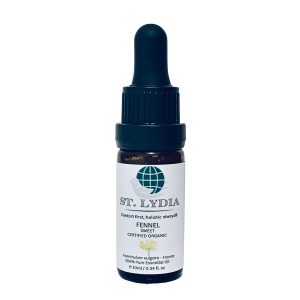
Sweet Fennel Organic Essential Oil (Foeniculum vulgare) – France
Price range: €7.00 through €49.00Sweet Fennel Organic Essential Oil (Foeniculum vulgare) – France
💰 VAT Included. 📦 Shipping calculated at checkout.
📦 🚚 Free nationwide delivery on orders over €60
Price range: €7.00 through €49.00 -
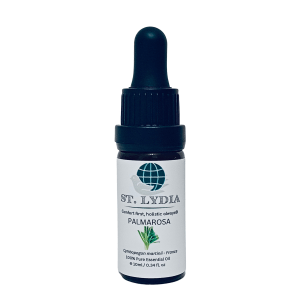
Palmarosa Natural Essential Oil (Cymbopogon martinii) – France
Price range: €10.00 through €77.00Palmarosa Natural Essential Oil (Cymbopogon martinii) – France
💰 VAT Included. 📦 Shipping calculated at checkout.
📦 🚚 Free nationwide delivery on orders over €60
Price range: €10.00 through €77.00

There are no reviews yet.