
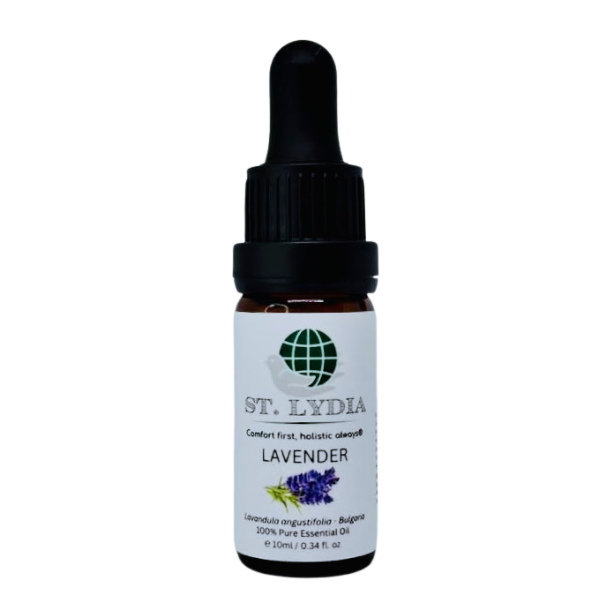


Lavender Natural Essential Oil – Bulgarian (Lavandula angustifolia / Lavandula officinalis) – Bulgaria
Price range: €7.00 through €58.00
💰 VAT Included. 📦 Shipping calculated at checkout.
📦 🚚 Free nationwide delivery on orders over €60
Description
Lavender Natural Essential Oil
***Lavender Natural Essential Oil – History***
Lavender natural essential oil also known as True Lvender, Common Lavender, and English Lavender (though it is not native to England); is derived from the flowers of the True lavender plant, scientifically known as Lavandula angustifolia (formerly Lavandula officinalis). Native to the Mediterranean, France, Bulgaria, England, and the Himalayas. Lavender essential oil has a long and rich history, dating back thousands of years. The Greeks and Romans valued lavender for its medicinal and aromatic properties. Romans used it in baths, perfumes, and as an antiseptic.
In the Middle Ages, Lavender was a staple in monasteries, used for medicinal purposes and to ward off infections. By the 16th century, it became a key ingredient in soaps and perfumes. During the Great Plague (17th Century), people carried lavender bundles to protect against disease, believing it had purifying properties. In the 19th Century, French scientist René-Maurice Gattefossé helped pioneer modern aromatherapy after discovering lavender oil’s healing effects on burns. This led to scientific research on its skin regenerative properties.
The essential oil comes in various types, each with unique characteristics based on the species of the Lavender plant used, and the growing conditions. The most common Lavender essential oil is Lavandula angustifolia (formerly Lavandula officinalis). Bulgarian lavender and French lavender, both popular varieties of Lavandula angustifolia, offer unique characteristics in terms of scent, cultivation, and therapeutic properties.
Bulgarian lavender is known for its rich, floral, and fruity scent, while French lavender tends to have a stronger, more rosemary-like aroma. Bulgarian lavender, often described as having a sweeter, mellower, and less camphoraceous scent than other varieties. It is considered to have a more pronounced and assertive floral and fruity aroma, making it highly desirable in perfumery.
The history of this oil is both fascinating and significant in the global essential oils market. Lavender (Lavandula angustifolia) is not native to Bulgaria; it originated in the Mediterranean. Its use spread through Europe over centuries, primarily for medicinal, religious, and perfumery purposes. Bulgaria, already renowned for its rose oil production, had the right conditions for lavender and began experimenting with its cultivation in the late 19th to early 20th century. In 1907, the first lavender fields in Bulgaria were planted near Karlovo and Kazanalak, regions already famous for rose oil. Bulgarian agronomists and distillers applied techniques from rose oil production to lavender distillation.
During the Interwar period (1918-1939), the cultivation spread rapidly. Bulgarian lavender oil began appearing on the international market, competing with French oils due to its superior quality and competitive price. In the socialist era (1946-1989), under the socialist regime, agriculture was nationalised and lavender was grown on a massive scale. Bulgaria became one of the world’s top producers of lavender oil, supported by state research institutions and centralised distillation facilities.
After the fall of communism, the production initially declined due to the collapse of collective farms. By the early 2000s, small private farms revived the industry, focusing on organic and high-quality production. From 2010s to present, Bulgaria overtook France in many years as the world’s largest producer of lavender oil (both in volume and export). Focus on organic cultivation, sustainable practices, and pure distillation has helped Bulgarian lavender oil gain a premium reputation.
***Lavender Natural Essential Oil – Benefits***
Bulgarian Lavender natural essential oil has long been treasured in the world of aromatherapy for its calming, restorative, and versatile properties. Sourced from the rich soils and temperate climate of Bulgaria’s renowned Rose Valley, this variety of Lavandula angustifolia is considered among the purest and most therapeutic forms of lavender oil available today. Its unique chemical composition—rich in linalool and linalyl acetate—makes it exceptionally soothing to both the mind and body.
One of the most celebrated benefits of this essential oil is its ability to promote emotional balance. When diffused or inhaled, the oil’s sweet, floral aroma interacts with the limbic system—the brain’s emotional centre—helping to reduce anxiety, ease nervous tension, and uplift the mood. It is often used in meditation and wellness practices as a natural remedy for restlessness and emotional fatigue. Its strong and assertive scent not only calms and uplifts the spirit but also serves as a delightful addition to perfumes.
In aromatherapy, Lavender natural essential oil is widely known as a gentle sleep aid. Its sedative effects can help slow an overactive mind and relax the body, making it easier to fall asleep and stay asleep through the night. Whether used in a diffuser, added to a nighttime bath, or applied as part of a pillow spray, this essential oil creates a calming atmosphere ideal for healthy sleep routines. Inhaling this essential oil may help ease tension-type headaches, while topical application (when properly diluted) can reduce muscle soreness and promote physical relaxation.
It is frequently used in massage therapy to provide both mental and physical relief. While known for its calming nature, this essential oil does not induce drowsiness when used appropriately during the day. Instead, it can support a sense of grounded-ness and mental clarity, helping users to remain focused without feeling overstimulated. This makes it ideal for use in workspaces, classrooms, or during high-stress periods.
Thanks to its low camphor content and high ester concentration, this essential oil is especially gentle—making it suitable for use with children, the elderly, and those with sensitive skin or sensitivities to stronger oils. Its softness also makes it ideal for blending with other essential oils, enhancing the relaxing and balancing qualities of any custom aromatherapy blend. This essential oil is more than just a beautifully fragrant extract—it is a powerful, all-natural ally in emotional well-being, sleep support, and holistic healing. Whether you’re creating a calming home sanctuary, relieving tension, or supporting mental clarity, this oil offers a timeless solution rooted in nature and tradition.
✅ 100% Pure Natural Essential Oil
✅ Vegan-friendly and Cruelty-free
***Botanical Name*** Lavandula angustifolia / Lavandula officinalis
***Family*** Lamiaceae
***Origin*** Bulgaria
***Plant Part*** Flowers
***Extraction Method*** Steam Distillation
***Aroma*** It has a rich, floral, fruity scent
***Colour*** Pale Yellow – Colourless
***Consistency*** Thin
***Note*** Top
***Strength*** Medium
***Blends With*** Myrrh, Rosemary, Rosewood, Ylang-Ylang, Geranium, Chamomile, Jasmine, and Palmarosa. These are just a few examples of essential oils that blend well with Bulgarian lavender natural essential oil. Experimenting with different combinations can help create customised blends tailored to specific needs or preferences, whether for aromatherapy, skincare, or other applications.
***Chemical Composition*** Some of the main chemical constituents of Bulgarian lavender natural essential oil include Linalyl Acetate, Linalool, β-Caryophyllene, Lavandulyl Acetate, Terpinen-4-ol, Limonene and 1,8-cineole. While these are the primary constituents, the oil may also contain minor components in smaller quantities, which collectively contribute to its overall aroma and therapeutic properties.
***Storage Conditions*** Store essential oils in a cool, dark place away from direct sunlight to prevent oxidation and degradation of its aromatic and therapeutic properties.
***Shelf Life*** 1 – 2 years
***Product Safety*** Free from potentially harmful substances like sulphates, parabens, phthalates, synthetic fragrances, formaldehydes, and mineral oil.
⚠️Caution⚠️ While Bulgarian lavender natural essential oil is generally considered safe for most people, there are some cautions and considerations to keep in mind:
- ***Skin Irritation*** Some individuals may experience skin irritation or allergic reactions when using Lavender natural essential oil, especially if it is used undiluted or in high concentrations. Always perform a patch test by diluting the oil in a carrier oil (such as coconut oil or jojoba oil) and applying a small amount to a small area of skin to check for any adverse reactions before using it more extensively. Avoid contact with eyes, inner ears, and sensitive areas.
- ***Pregnancy and Nursing*** Lavender natural essential oil should be avoided during pregnant and breast feeding. Always consult a healthcare professional before using it for medicinal purposes.
- ***Children and Pets*** Lavender natural essential oil should be kept out of reach of children and pets. Children and pets are generally more sensitive to essential oils, and ingestion or improper use can lead to serious health issues.
- ***Internal Use*** Ingesting Lavender natural essential oil is not recommended, as it can be toxic and may cause adverse effects, and may interact with medications or exacerbate certain health conditions.
- ***Allergies*** Individuals with allergies to plants in the Lamiaceae family (such as mint, basil, or sage) may also be sensitive to Lavender natural essential oil. Discontinue use if you experience any allergic reactions, such as skin irritation, respiratory issues, or headaches.
- ***Medical Conditions*** If you have any underlying health conditions or are taking medications, consult with a healthcare professional before using Lavender natural essential oil. It may interact with certain medications or exacerbate certain health issues.
***Note*** Although essential oils have a longstanding history of use and are valued for their potential benefits, individual experiences may vary.
Additional information
| Directions For Use | There are many ways to enjoy the benefits of essential oils. You can use one or more oils mixed together to make your own remedy. MASSAGE: This is recognised as the most effective way of using essential oils, particularly as it couples the soothing power of touch with the benefits of the oils. To make massage oil, dilute 4 drops of essential oils into 10ml (2 teaspoons) of Carrier Oil. AROMATIC: Diffusing essential oils into the air using a diffuser can act as a natural room freshener, promote relaxation, improve mood, and help with stress relief. BATHING: Essential oils can be used in bath but only after emulsifying. So, if you want to use naturally extracted essential oil in bath, emulsify it prior to use. And for emulsifying, it is suggested to use a solubiliser such as Solubol (Dispersant) and follow the usage guidelines provided by your vendor. Add this blend to your running bath water and mix very well before getting into the tub. When essential oils are added in bath tub without emulsifying, they won't disperse but float on the water and directly react with the skin. INHALATION: This is a good way to relieve cold and congestion with essential oils. |
|---|---|
| Essential Oil Dilution Guide | Welcome to our essential oil dilution guide for topical and perfume use, where we'll explore the art and science of blending essential oils with carrier oils or alcohol for safe and effective application on the skin. Whether you're new to aromatherapy or seeking to enhance your knowledge, this guide will provide you with practical insights and guidelines for diluting essential oils to maximise their therapeutic benefits while minimising the risk of adverse reactions. From general dilution ratios for adults to considerations for children, sensitive individuals, and specific applications, we'll equip you with the knowledge and confidence to create customised blends tailored to your needs. Let's dive in and unlock the secrets of safe and effective topical use of essential oils! Here's a general guide for diluting essential oils for topical use:
Remember that these are general guidelines, and individual preferences and sensitivities may vary. It's always a good idea to start with a lower dilution and adjust as needed based on your personal experience and comfort level. If you have any concerns or specific health conditions, consult with a qualified aromatherapist or healthcare professional for personalised guidance. When creating perfumes with essential oils, you'll typically work with higher concentrations of essential oils compared to topical applications. Here's a general guide for diluting essential oils for perfumery:
Remember that creating perfumes is an art form, and there are no strict rules. Trust your senses and intuition as you explore different essential oil combinations and concentrations to create your signature scent. Keep detailed records of your formulations for future reference and refinement. |
| Packaging | 10ml and 30ml essential oils are packaged in amber glass dropper bottles with pipette for easy application. Larger sizes are packaged in amber screw cap bottles and do not come with droppers. |
Related products
-
Helichrysum Natural Essential Oil (Helichrysum splendidum) – South Africa
Price range: €45.00 through €300.00Helichrysum Natural Essential Oil (Helichrysum splendidum) – South Africa
💰 VAT Included. 📦 Shipping calculated at checkout.
📦 🚚 Free nationwide delivery on orders over €60
Price range: €45.00 through €300.00 -
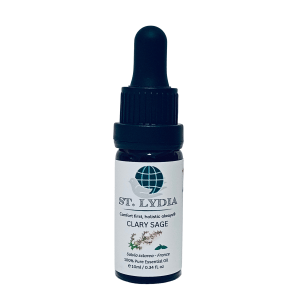
Clary Sage Natural Essential Oil (Salvia sclarea L.) – France
Price range: €12.00 through €92.00Clary Sage Natural Essential Oil (Salvia sclarea L.) – France
VAT Included. Shipping calculated at checkout.
Free nationwide delivery on orders over €60
Price range: €12.00 through €92.00 -
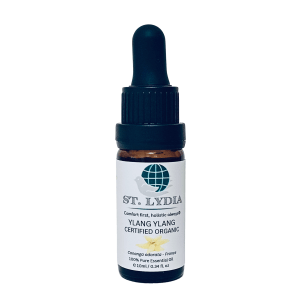
Ylang Ylang Organic Essential Oil (Cananga odorata ) – France
Price range: €13.00 through €90.00Ylang Ylang Organic Essential Oil (Cananga odorata ) – France
💰 VAT Included. 📦 Shipping calculated at checkout.
📦 🚚 Free nationwide delivery on orders over €60
Price range: €13.00 through €90.00 -
Lime Organic Essential Oil (Citrus aurantifolia) – Italy
Price range: €7.00 through €49.00Lime Organic Essential Oil (Citrus aurantifolia) – Italy
💰 VAT Included. 📦 Shipping calculated at checkout.
📦 🚚 Free nationwide delivery on orders over €60
Price range: €7.00 through €49.00


There are no reviews yet.