

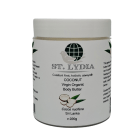

Coconut Virgin Organic Butter (Cocos nucifera) – Sri Lanka
€5.00
💰 VAT Included. 📦 Shipping calculated at checkout.
📦 🚚 Free nationwide delivery on orders over €60
Description
Coconut Virgin Organic Butter
***Coconut Virgin Organic Butter – History***
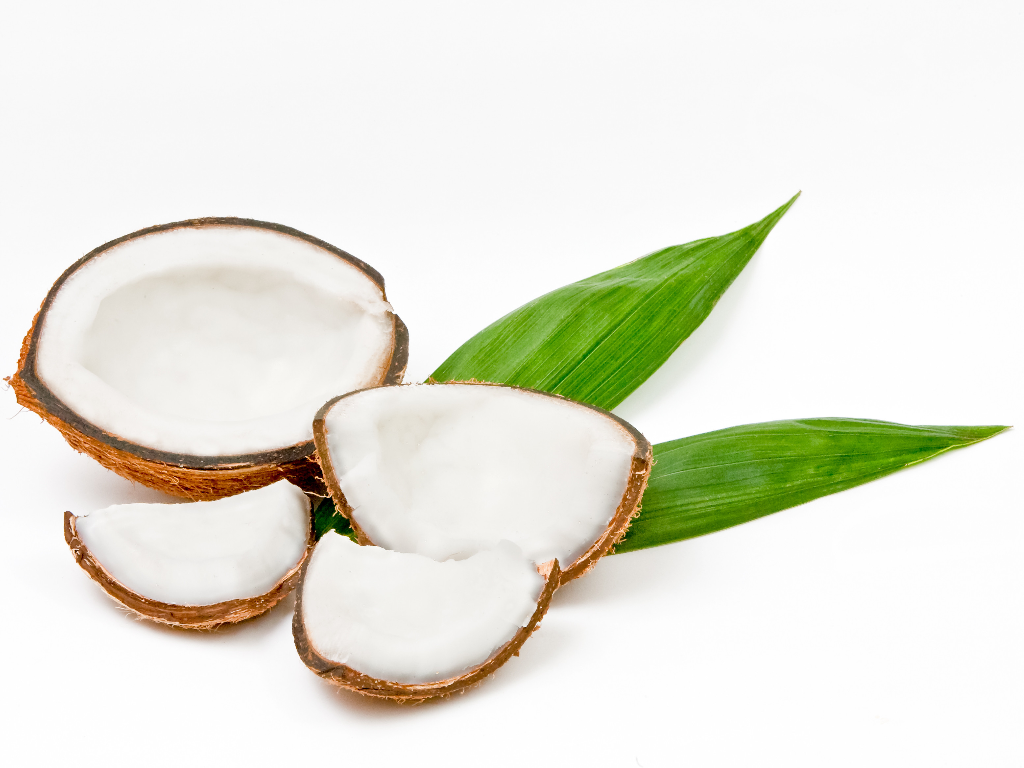
Coconut virgin organic butter is extracted from fresh meat of coconut, scientifically known as Cocos nucifera. Native to the Indo-Pacific region — particularly coastal areas of Southeast Asia and the islands between the Indian and Pacific Oceans. Archaeological evidence shows coconuts being used as early as 4,000 years ago. Early civilisations in India, Sri Lanka, the Philippines, Indonesia, and Polynesia cultivated coconuts for food, medicine, and tools. Hand pressing is one of the indigenous methods used for extracting coconut oil.
The process begins with grating the coconut meat, which is then placed in a cloth and squeezed by hand to extract the milk, and letting it naturally ferment. The oil would separate and float on top, ready for collection. This method is labour-intensive but holds significant cultural value. Ancient India prized coconut oil for wound healing, digestive support, skin nourishment, and hair care. In traditional Polynesian cultures, coconut oil was used extensively as a skin protector against sun and saltwater exposure, and as a hair conditioner. In many Pacific Islander and Filipino communities, coconut oil was traditionally used in cooking, lamp fuel, and even for waterproofing and preserving wooden tools and boats.
During the Age of Exploration (15th–17th centuries), Portuguese, Spanish, and Dutch traders helped spread coconuts across tropical coasts worldwide. Coconuts were planted along the African coastline and throughout the Caribbean Islands. By the 19th century, coconut products (copra — dried coconut meat used for oil) became a major export commodity from tropical colonies. In the early 1900s, coconut oil was widely used in soap-making (e.g., in products like Palmolive Soap) and cooking oils. By mid-1900s, coconut oil’s reputation suffered when hydrogenated vegetable oils (like soybean and canola) were promoted heavily as “healthier” in the West. Coconut oil, being naturally high in saturated fat, was unfairly linked with heart disease, causing a sharp decline in its global use.
In the late 20th century, new cold-pressing, centrifuge, and wet-milling techniques were developed to extract coconut oil without heat, preserving its delicate aroma and nutritional properties. This led to the distinction between virgin and refined coconut oils. Scientific studies highlighted the unique medium-chain triglycerides (MCTs) and antimicrobial properties of coconut oil, leading to a massive revival in natural health communities. Virgin Coconut Oil (VCO) emerged as a “superfood” and a premium ingredient in clean beauty, wellness, and paleo/ketogenic diets.
***Coconut Virgin Organic Butter – Benefits***
Today, Coconut virgin organic butter is celebrated worldwide for its hydrating, healing, protective, and antimicrobial qualities, ideal for both beauty and wellness practices. The natural scent of Coconut virgin organic butter evokes feelings of warmth, comfort, and tropical tranquility — contributing to stress reduction in aromatherapy sessions. When blended with essential oils, Coconut virgin organic butter enhances the absorption of essential oils and delivers a soft, calming coconut aroma that promotes relaxation. It is widely used in therapeutic massage for its skin-nourishing properties and pleasant glide, helping to ease tension and promote deep relaxation.
Virgin coconut butter is abundant in lauric acid, a primary saturated fatty acid which possesses anti-microbial properties that can effectively combat harmful bacteria, viruses, and fungi. Its anti-inflammatory properties alleviate conditions such as eczema, psoriasis, dermatitis, and minor sunburns. This oil facilitates the prevention and treatment of minor skin infections, providing long-lasting hydration, making it an ideal solution for individuals with dry, flaky, or rough skin. This oil can gently remove makeup while moisturising the delicate skin around the eyes.
Coconut virgin organic butter is believed to prevent hair damage. It penetrates the hair shaft more effectively than many oils, reducing protein loss and strengthening hair. Its anti-fungal and antibacterial properties combat dandruff and scalp irritation, leaving hair glossy, smooth, and easier to manage.
Coconut virgin organic butter may support oral health. Swishing coconut oil in the mouth (“oil pulling”) can reduce harmful bacteria, improve gum health, and promote fresher breath. It is perfect for softening and protecting lips and nail beds. Coconut virgin organic butter can also be used as a natural polish for wood furniture and leather goods. It is commonly found in homemade salves, candles, and skin care product.
✅ 100% Pure Body Butter – 250g
✅ Vegan-friendly and Cruelty-free
***Botanical Name*** Cocos nucifera
***Family*** Arecaceae
***Origin*** Sri Lanka
***Plant Part*** Fresh coconut meat
***Extraction Method*** Cold Pressed
***Aroma*** It has a sweet, natural coconut fragrance.
***Colour*** White
***Consistency*** Smooth, solid when kept below 25°C.
***Absorption*** Melts smoothly upon contact with the skin.
***Composition Highlights*** Coconut virgin organic butter contains Lauric Acid (C12), Myristic Acid (C14), Caprylic Acid (C8), Capric Acid (C10), Palmitic Acid (C16), and Stearic Acid (C18). While these are the primary constituents, the oil may also contain minor components in smaller quantities, with major impacts.
***Storage Conditions*** Store Coconut virgin organic butter in a cool, dark place away from direct sunlight to prevent oxidation.
***Shelf Life*** 1 – 2 years
⚠️Caution⚠️ While Coconut virgin organic butter is generally safe and well-tolerated, there are a few important cautions and considerations to keep in mind, especially for people with sensitivities or using it for the first time.
- ***Skin Irritation*** Coconut virgin organic butter is considered safe for most people, but it may cause skin irritation or allergic reactions in some individuals, especially those with sensitive skin. It is rated about 4 out of 5 on the comedogenic scale, meaning it can clog pores for some people, especially those with oily, acne-prone, or sensitive skin. It is best to patch test on a small area (e.g., on the inner arm) before applying to the face or body. It’s safe on most dry or irritated areas, but skip open wounds or raw skin unless guided by a dermatologist. Avoid contact with eyes, inner ears, and sensitive areas.
- ***Pregnancy and Nursing*** Coconut virgin organic butter is generally considered safe for pregnant and breastfeeding women, especially when used topically, in moderation, and with careful consideration of potential sensitivities. If blending with essential oils, always research each oil’s safety. If you’re ever unsure, run it by your healthcare provider — especially if you’re using carrier oils on larger skin areas or planning to use them regularly.
- ***Children*** While often used in baby massage, it may affect the skin barrier function in very young infants. Use with care and consult a paediatrician for infants under 6 months. Avoid using around the mouth or hands of infants who might ingest it. Keep out of reach of children and pets to prevent accidental ingestion or contact.
- ***Internal Use*** While virgin coconut oil / butter is commonly used in culinary applications, this product is for external use only.
- ***Medical Conditions*** While body butters are generally safe, some can potentially exacerbate certain medical conditions or interact with medications, especially when used in large amounts, internally, or on compromised skin.
- ***Allergies*** Those with nut allergies should consult their medical practitioner before coming into contact with nut butters or other nut products. Though rare, some people may experience redness, itching or rash. Always do a patch test (e.g., on the inner arm) before using it on larger areas or the face. Always discontinue use if you experience any signs of an allergic reaction.
***Note*** Although body butters have a longstanding history of use and are valued for their potential benefits, individual experiences may vary.
Additional information
| Directions for Use – Solid Body Butter | How to Use: |
|---|---|
| Body Butter Mixing Guide | Here's a body butter mixing guide to help you create a smooth, nourishing, and well-balanced blend: |
Related products
-
Lime Organic Essential Oil (Citrus aurantifolia) – Italy
Price range: €7.00 through €49.00Lime Organic Essential Oil (Citrus aurantifolia) – Italy
💰 VAT Included. 📦 Shipping calculated at checkout.
📦 🚚 Free nationwide delivery on orders over €60
Price range: €7.00 through €49.00 -
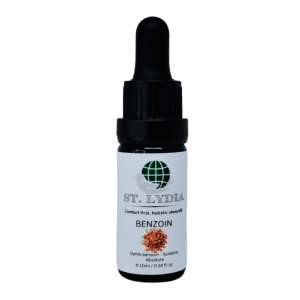
Benzoin Absolute (Styrax benzoin) – Sumatra
Price range: €9.00 through €70.00Benzoin Absolute (Styrax benzoin) – Sumatra
💰 VAT Included. 📦 Shipping calculated at checkout.
📦 🚚 Free nationwide delivery on orders over €60
Price range: €9.00 through €70.00 -
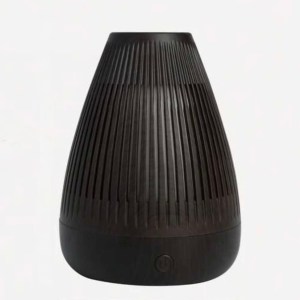
Dark Wood Grain Essential Oil Diffuser
€35.00Dark Wood Grain Essential Oil Diffuser
💰 VAT Included. 📦 Shipping calculated at checkout.
📦 🚚 Free nationwide delivery on orders over €60
€35.00 -
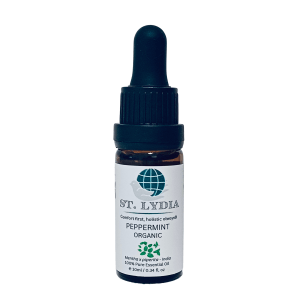
Peppermint Organic Essential Oil (Mentha x piperita) – India
Price range: €7.00 through €49.00Peppermint Organic Essential Oil (Mentha x piperita) – India
💰 VAT Included. 📦 Shipping calculated at checkout.
📦 🚚 Free nationwide delivery on orders over €60
Price range: €7.00 through €49.00

There are no reviews yet.