
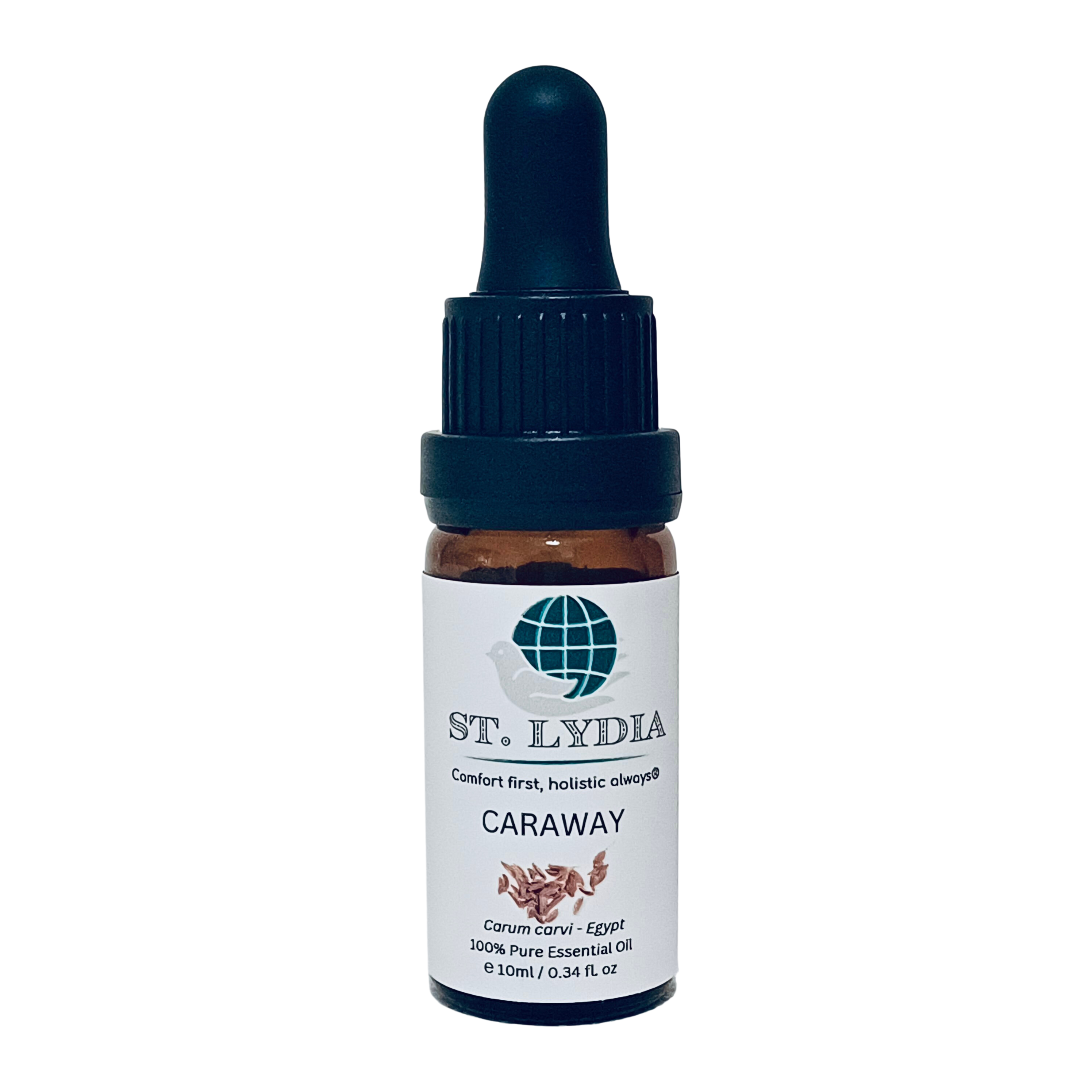
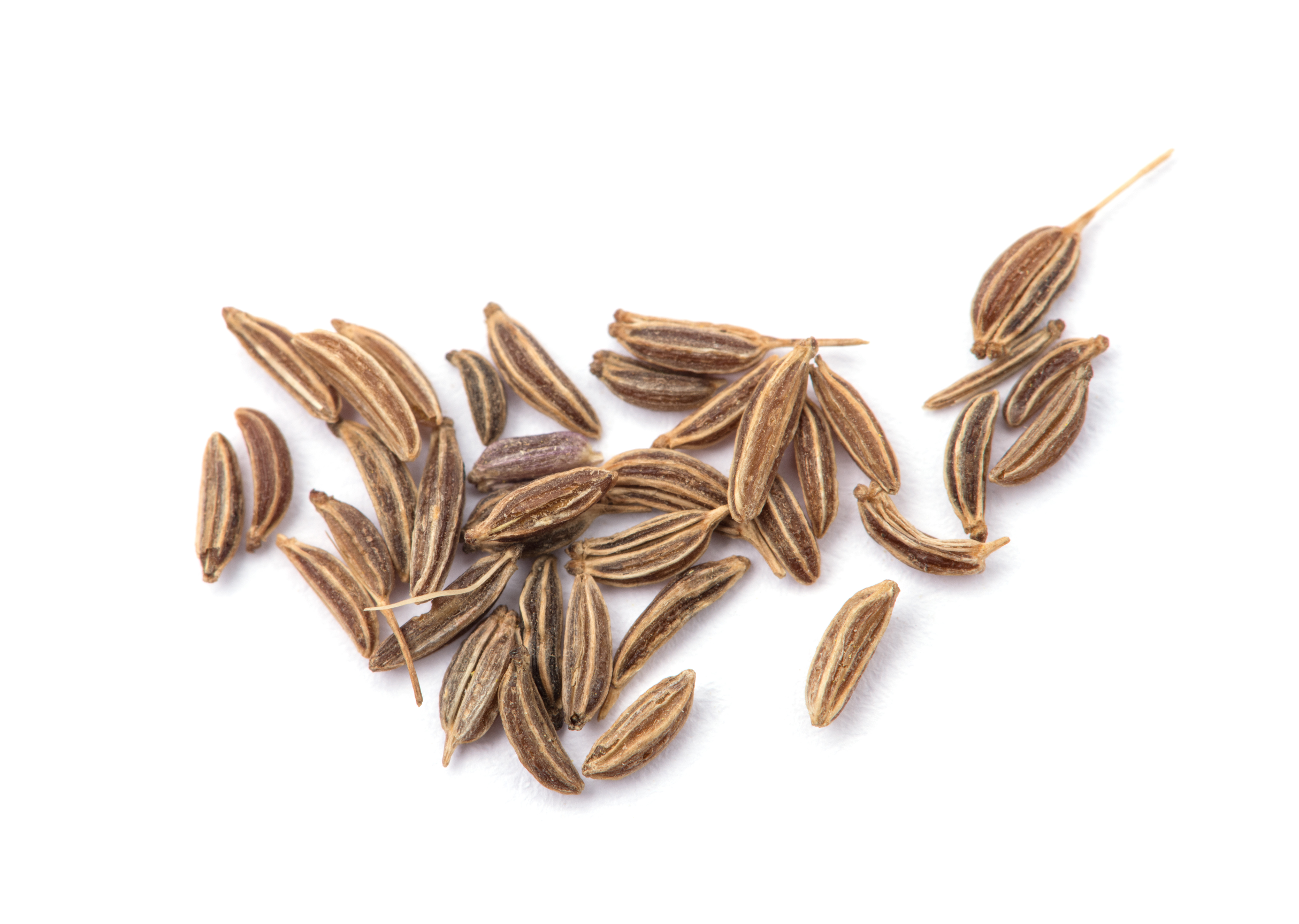
Caraway Natural Essential Oil (Carum carvi) – Egypt
Price range: €8.00 through €64.00
💰 VAT Included. 📦 Shipping calculated at checkout.
📦 🚚 Free nationwide delivery on orders over €60
Description
Caraway Natural Essential Oil
***Caraway Natural Essential Oil – History***
Caraway natural essential oil is derived from the seeds of the caraway plant scientifically known as Carum carvi, a member of the Apiaceae (Umbelliferae) family. Caraway has a story as rich and layered as its scent. Native to Europe and Western Asia, this humble plant has been valued for thousands of years—not only as a culinary spice but also for its powerful therapeutic properties. The use of caraway seeds dates back to ancient civilisations, with evidence of their presence found in prehistoric settlements and Egyptian tombs, where they were believed to ward off evil spirits and aid in digestion.
The Greeks and Romans held caraway in high esteem, using it to flavour food, freshen breath, and ease digestive troubles. Roman cooks often included it in breads and cakes, while herbalists recommended it for everything from colic to heartburn. During the Middle Ages, caraway became a staple in European kitchens and apothecaries alike, and its seeds were often gifted as symbols of love and protection. Though essential oil distillation came much later, the transition from seed to oil preserved caraway’s reputation as a comforting, aromatic remedy. By the 19th century, Caraway natural essential oil had secured its place in traditional European herbal medicine, especially for digestive and respiratory support.
***Caraway Natural Essential Oil – Benefits***
Today, caraway natural essential oil remains a staple in natural wellness circles, linking us to generations of herbal wisdom while offering practical, plant-based support for modern life. Its history is a testament to the enduring power of nature’s remedies. Its key active compounds—Carvone and Limonene—are responsible for both its distinctive fragrance and its beneficial properties. Traditionally used for centuries to ease digestive discomfort, caraway essential oil is especially valued for relieving occasional bloating, gas, and indigestion.
When diluted and gently massaged over the abdomen, it can help stimulate natural digestive function and bring soothing relief after meals. With its subtly minty, clearing aroma, caraway natural essential oil may support easier breathing and help loosen congestion when inhaled. Try diffusing it during seasonal changes or blending with eucalyptus or peppermint for a refreshing respiratory boost.
Emotionally, this oil is known to promote clarity and reduce feelings of stress, nervousness, or overwhelm. It gently encourages balance and inner ease, making it a wonderful companion during times of transition or tension. With its warm, spicy-sweet aroma, caraway creates a sense of comfort and calm—perfect for moments when life feels unsettled or the mind is overactive, making it an excellent oil for grounding during meditation or mindfulness practices. Whether added to massage oils, diffused for relaxation, or used in natural wellness routines, caraway natural essential oil brings a touch of old-world charm and therapeutic warmth to modern self-care.
✅ 100% Pure Natural Essential Oil
✅ Vegan-friendly and Cruelty-free
***Botanical Name*** Carum carvi
***Family*** Apiaceae (Umbelliferae)
***Origin*** Egypt
***Plant Part*** Seeds
***Extraction Method*** Steam Distillation
***Aroma*** It has a warm, sweet, spicy, with a slightly peppery undertone.
***Colour*** Pale Yellow – Colourless
***Consistency*** Thin
***Note*** Middle
***Strength*** Medium
***Blends With*** Caraway natural essential oil harmonises well with a diverse range of essential oils, including Clove, Orange, Ginger, Frankincense, Nutmeg, Cardamom, Vanilla, and Cedarwood. These are merely a few examples of essential oils that complement caraway natural essential oil. By experimenting with various combinations, you can create distinctive aromas that cater to your preferences and therapeutic objectives.
***Chemical Composition*** Caraway natural essential oil is composed of a wide variety of chemical compounds that contribute to its therapeutic properties. The exact composition can vary depending on factors like the geographic origin and the method of extraction. However, the primary chemical constituents of caraway natural essential oil are as follows: Carvone, Limonene, β-Myrcene, α-Pinene, β-Pinene, and Carveol. While these are the primary constituents, the oil may also contain minor components in smaller quantities, which collectively contribute to its overall aroma and therapeutic properties.
***Storage Conditions*** Store caraway natural essential oil in a cool, dark location, shielded from direct sunlight, to prevent oxidation and degradation of its aromatic and therapeutic properties.
***Shelf Life*** 1 – 2 years
***Product Safety*** Free from potentially harmful substances like sulphates, parabens, phthalates, synthetic fragrances, formaldehydes, and mineral oil.
⚠️Caution⚠️ While caraway natural essential oil offers many benefits, it’s important to use it with care and mindfulness to ensure safe and effective application. Here are some key precautions to keep in mind:
- ***Skin Irritation*** Some individuals may experience skin irritation or allergic reactions when using caraway natural essential oil. This oil is highly concentrated and should always be diluted with a carrier oil (such as jojoba, almond, or coconut oil) before applying to the skin. A general guideline is 1–2% dilution for topical use (about 6–12 drops per ounce of carrier oil). Conduct a patch test before use to check for any allergic reactions or skin irritation. Avoid applying to broken or irritated skin. Avoid contact with eyes, inner ears, and sensitive areas.
- ***Pregnancy and Nursing*** Due to its stimulating properties, caraway natural essential oil is generally not recommended for use during pregnancy, especially in the first trimester. Always consult a qualified healthcare provider before using essential oils during pregnancy or while nursing.
- ***Children and Pets*** Like all essential oils, caraway should be stored safely away from children and pets. Diffuse in well-ventilated areas and avoid direct exposure for children and pets.
- ***Internal Use*** While some sources suggest ingesting caraway essential oil for internal benefits, it should only be consumed under professional guidance. Essential oils are highly concentrated and may irritate the digestive system. Always use food-grade caraway oil from reputable sources and consult with a healthcare professional before internal use.
- ***Medical Conditions*** Caraway essential oil contains compounds that may be metabolised by the liver or excreted through the kidneys. Those with liver or kidney conditions should consult a healthcare provider before use. Caraway may have mild estrogenic effects. People with hormone-sensitive conditions (like breast cancer, uterine fibroids, or endometriosis) should avoid use unless advised by a professional. Due to its stimulant properties, individuals with a history of seizures should avoid using this oil unless under professional guidance. Caraway may potentially lower blood sugar levels. If you’re taking insulin or oral hypoglycemics, monitor blood sugar closely and consult your doctor before use. Although rare, some sources suggest caraway may have mild blood-thinning properties. If you’re on blood-thinning medications (like warfarin, aspirin, or clopidogrel), use caution. Because of possible estrogen-like activity, caraway oil might interfere with hormone therapies or birth control efficacy—speak with your doctor if you’re on hormonal treatments.
- ***Allergies*** Some individuals may experience allergic reactions to caraway essential oil. Symptoms may include skin irritation, swelling, or respiratory issues. Individuals with allergies to plants in the Apiaceae family (such as fennel, dill, celery, or coriander) may also react to caraway. If you have known sensitivities to these herbs, use with extra caution. Always discontinue use if you experience any signs of an allergic reaction.
***Note*** Although essential oils have a longstanding history of use and are valued for their potential benefits, individual experiences may vary.
Additional information
| Directions For Use | There are many ways to enjoy the benefits of essential oils. You can use one or more oils mixed together to make your own remedy. MASSAGE: This is recognised as the most effective way of using essential oils, particularly as it couples the soothing power of touch with the benefits of the oils. To make massage oil, dilute 4 drops of essential oils into 10ml (2 teaspoons) of Carrier Oil. AROMATIC: Diffusing essential oils into the air using a diffuser can act as a natural room freshener, promote relaxation, improve mood, and help with stress relief. BATHING: Essential oils can be used in bath but only after emulsifying. So, if you want to use naturally extracted essential oil in bath, emulsify it prior to use. And for emulsifying, it is suggested to use a solubiliser such as Solubol (Dispersant) and follow the usage guidelines provided by your vendor. Add this blend to your running bath water and mix very well before getting into the tub. When essential oils are added in bath tub without emulsifying, they won't disperse but float on the water and directly react with the skin. INHALATION: This is a good way to relieve cold and congestion with essential oils. |
|---|---|
| Essential Oil Dilution Guide | Welcome to our essential oil dilution guide for topical and perfume use, where we'll explore the art and science of blending essential oils with carrier oils or alcohol for safe and effective application on the skin. Whether you're new to aromatherapy or seeking to enhance your knowledge, this guide will provide you with practical insights and guidelines for diluting essential oils to maximise their therapeutic benefits while minimising the risk of adverse reactions. From general dilution ratios for adults to considerations for children, sensitive individuals, and specific applications, we'll equip you with the knowledge and confidence to create customised blends tailored to your needs. Let's dive in and unlock the secrets of safe and effective topical use of essential oils! Here's a general guide for diluting essential oils for topical use:
Remember that these are general guidelines, and individual preferences and sensitivities may vary. It's always a good idea to start with a lower dilution and adjust as needed based on your personal experience and comfort level. If you have any concerns or specific health conditions, consult with a qualified aromatherapist or healthcare professional for personalised guidance. When creating perfumes with essential oils, you'll typically work with higher concentrations of essential oils compared to topical applications. Here's a general guide for diluting essential oils for perfumery:
Remember that creating perfumes is an art form, and there are no strict rules. Trust your senses and intuition as you explore different essential oil combinations and concentrations to create your signature scent. Keep detailed records of your formulations for future reference and refinement. |
| Packaging | 10ml and 30ml essential oils are packaged in amber glass dropper bottles with pipette for easy application. Larger sizes are packaged in amber screw cap bottles and do not come with droppers. |
Related products
-
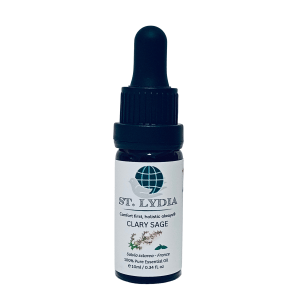
Clary Sage Natural Essential Oil (Salvia sclarea L.) – France
Price range: €12.00 through €92.00Clary Sage Natural Essential Oil (Salvia sclarea L.) – France
VAT Included. Shipping calculated at checkout.
Free nationwide delivery on orders over €60
Price range: €12.00 through €92.00 -
Frankincense Natural Essential Oil (Boswellia carterii) – Somalia
Price range: €18.00 through €140.00Frankincense Natural Essential Oil (Boswellia carterii) – Somalia
💰 VAT Included. 📦 Shipping calculated at checkout.
📦 🚚 Free nationwide delivery on orders over €60
Price range: €18.00 through €140.00 -
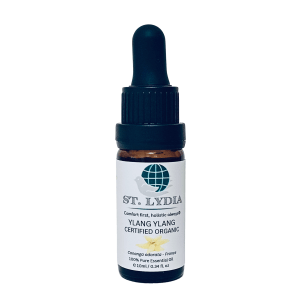
Ylang Ylang Organic Essential Oil (Cananga odorata ) – France
Price range: €13.00 through €90.00Ylang Ylang Organic Essential Oil (Cananga odorata ) – France
💰 VAT Included. 📦 Shipping calculated at checkout.
📦 🚚 Free nationwide delivery on orders over €60
Price range: €13.00 through €90.00 -
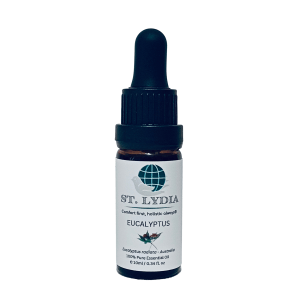
Eucalyptus radiata Natural Essential Oil (Eucalyptus radiata) – Australia
Price range: €7.00 through €54.00Eucalyptus radiata Natural Essential Oil (Eucalyptus radiata) – Australia
💰 VAT Included. 📦 Shipping calculated at checkout.
📦 🚚 Free nationwide delivery on orders over €60
Price range: €7.00 through €54.00

There are no reviews yet.