
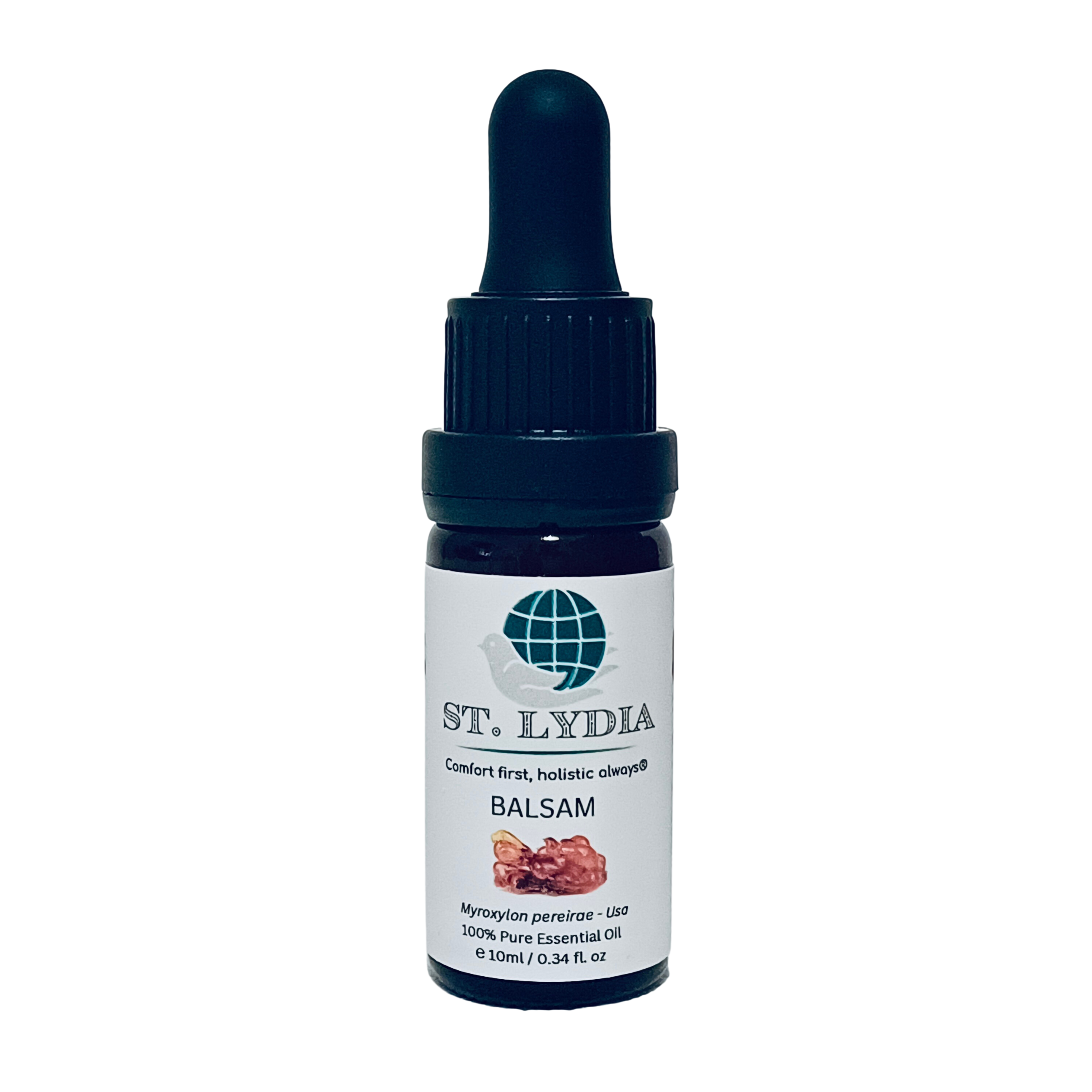

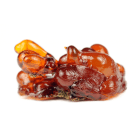
Balsam Natural Essential Oil (Myroxylon pereirae) – USA
Price range: €12.00 through €92.00
💰 VAT Included. 📦 Shipping calculated at checkout.
📦 🚚 Free nationwide delivery on orders over €60
Description
Balsam Natural Essential Oil
***Balsam Natural Essential Oil – History***
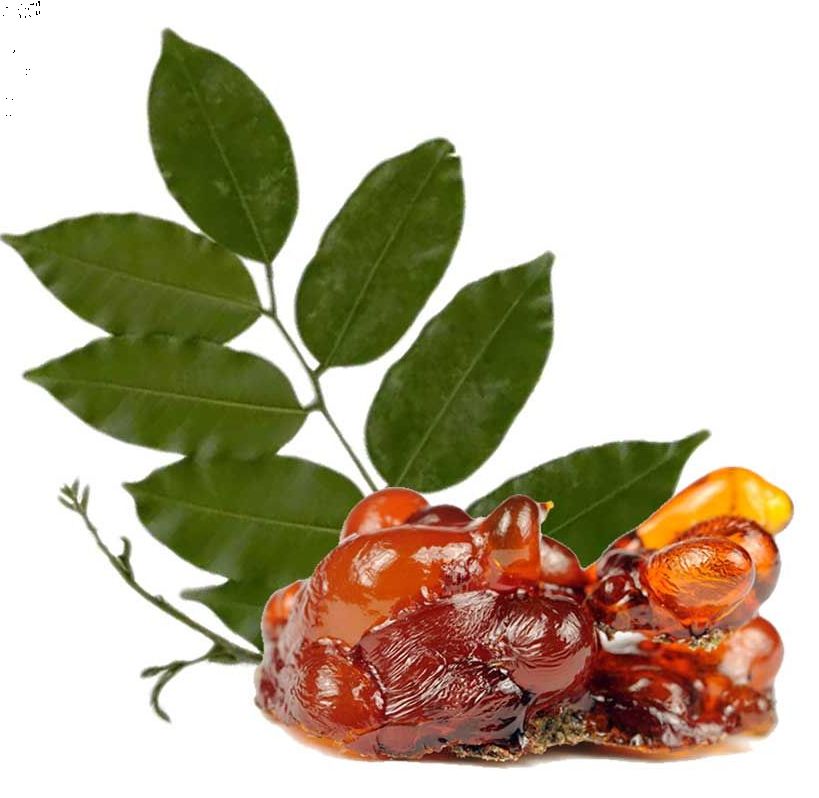
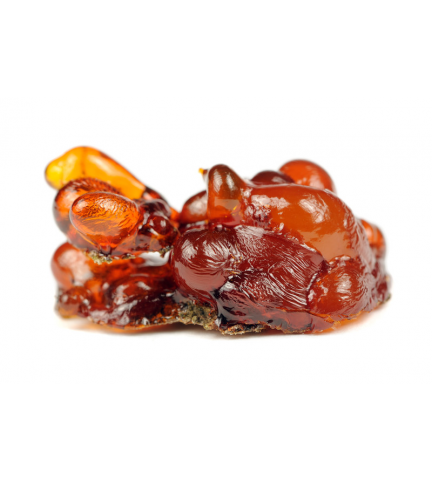
Balsam essential oil commonly known as “Balsam of Peru” is derived from the resin of the Peru Balsam tree, scientifically known as Myroxylon balsamum var. pereirae, native to Central and South America, primarily found in El Salvador. With a rich and ancient history, balsam has been utilised for medicinal, spiritual, and aromatic purposes. In Mesopotamia, balsam resins were among the earliest substances used for incense and medicinal applications.
During religious ceremonies, the resin was burned to purify spaces. Egyptians also incorporated balsam into perfumes and ointments. Greek physicians, including Hippocrates, recognised balsam’s therapeutic properties for respiratory and skin ailments. Romans, particularly renowned for their balms and salves, utilised balsam resin and oil as key ingredients, especially for wound healing and relaxation.
During the Middle Ages, balsam essential oil found its way into herbal medicine, treating coughs, colds, and wounds. Monasteries across Europe cultivated balsam-yielding plants for medicinal purposes, while apothecaries incorporated balsam into tinctures and ointments. Balsam resin was also burned as incense in churches and temples, renowned for its soothing and purifying aroma. It was believed to ward off negative spirits and enhance mental clarity during prayers.
Balsam essential oil is derived from various species of balsam trees, each exhibiting distinct characteristics influenced by the species and growing conditions. The most prevalent balsam essential oil is the balsam of Peru (Myroxylon balsamum var. pereirae). This species yields a robust, sweet, vanilla-like, and warm aroma, making it a popular ingredient in perfumes due to its enduring and pleasant scent.
Additionally, it is renowned for its therapeutic properties, possessing antiseptic and anti-inflammatory effects. It is widely utilised in skincare products to treat conditions such as minor cuts, wounds, eczema, dry, and chapped skin. It is employed to alleviate respiratory issues, believed to act as a decongestant and expectorant.
***Balsam Natural Essential Oil – Benefits***
In today’s world, balsam of Peru essential oil is highly valued in aromatherapy, skincare, and natural medicine. Its rich, sweet, vanilla-like aroma possesses the ability to induce relaxation, alleviate stress, and restore a sense of emotional balance. Given its thickness, diffusing this essential oil using an oil burner is an effective method to create a warm and secure ambiance, making it particularly suitable for meditation and relaxation practices. Furthermore, it is believed to have a calming effect on both the body and mind, facilitating easier sleep and maintaining it throughout the night.
Beyond its relaxation properties, this essential oil exhibits antibacterial, anti-inflammatory, and anti-fungal properties. It is utilised in the treatment of various skin conditions, including eczema, rashes, and minor wounds, as well as respiratory issues. Inhalation of this essential oil is believed to alleviate symptoms associated with respiratory conditions such as colds and coughs. It can be incorporated into massage blends to alleviate muscle aches and joint pain due to its anti-inflammatory properties.
This essential oil serves as an emollient, effectively hydrating and soothing the skin. Its incorporation into skincare products is driven by its potential skin-healing properties. This essential oil’s rich, sweet, vanilla-like aroma, with subtle hints of cinnamon and benzoin, makes it a popular base note in perfumes. It enhances and solidifies the fragrance of other ingredients, adding depth and longevity to fragrances.
✅ 100% Pure Natural Essential Oil
✅ Vegan-friendly and Cruelty-free
***Botanical Name*** Myroxylon balsamum var. pereirae
***Family*** Fabaceae
***Origin*** USA
***Plant Part*** Gum Resin
***Extraction Method*** Steam Distillation
***Aroma*** It has a warm, sweet, vanilla-like aroma with hints of cinnamon and clove.
***Colour*** Dark Brown
***Consistency*** Thick
***Note*** Base
***Strength*** Medium
***Blends With*** Balsam of Peru essential oil harmonises well with a diverse range of essential oils, including Black Pepper, Ginger, Jasmine, Lavender, Patchouli, Rose, and Sandalwood. These are merely a few examples of essential oils that complement this essential oil. By experimenting with various combinations, you can create distinctive aromas that cater to your preferences and therapeutic objectives.
***Chemical Composition*** Balsam of Peru essential oil is composed of a wide variety of chemical compounds that contribute to its therapeutic properties. The exact composition can vary depending on factors like the geographic origin and the method of extraction. However, the primary chemical constituents of this essential oil are as follows: Benzoic acid, Benzyl benzoate, Cinnamic acid, Vanillin, Cinnamyl cinnamate, and Nerolidol. While these are the primary constituents, the oil may also contain minor components in smaller quantities, which collectively contribute to its overall aroma and therapeutic properties.
***Storage Conditions*** Store this essential oil in a cool, dark location, shielded from direct sunlight, to prevent oxidation and degradation of its aromatic and therapeutic properties.
***Shelf Life*** 1 – 2 years
***Product Safety*** Free from potentially harmful substances like sulphates, parabens, phthalates, synthetic fragrances, formaldehydes, and mineral oil.
⚠️Caution⚠️ Balsam of Peru essential oil offers a range of benefits, but it is essential to be aware of potential cautions and considerations when using it:
- ***Skin Irritation*** This essential oil poses a higher risk of causing irritation and sensitisation when used in the bath. Avoid using it in the bath, even if it is solubilised/diluted. Some individuals may experience skin irritation or allergic reactions when using this essential oil, particularly when undiluted or in high concentrations. Prioritise safety by conducting a patch test by diluting the oil with a carrier oil (e.g., coconut oil or jojoba oil) and applying a small amount to a inconspicuous area of skin to assess for any adverse reactions. Refrain from contact with the eyes, inner ears, and sensitive regions.
- ***Pregnancy and Nursing*** This essential oil should not be used during pregnancy or when breastfeeding. It’s advisable to consult with a healthcare professional before using this essential oil during pregnancy or while breastfeeding to ensure safety.
- ***Children and Pets*** This essential oil may be too strong for young children and pets, particularly when used aromatically. Always dilute this essential oil properly and use it in moderation around children and pets. Keep bottles of essential oils out of reach of children and pets to prevent accidental ingestion.
- ***Internal Use*** Ingesting this essential oil is not recommended, as it can be toxic and may cause adverse effects. Always use essential oil externally and avoid contact with mucous membranes.
- ***Medical Conditions*** Individuals with specific medical conditions or those taking medications should consult with a healthcare professional before using this essential oil. It may interact with certain medications or exacerbate health issues.
- ***Allergies*** Some individuals may be sensitive to this essential oil and experience allergic reactions such as dermatitis. Perform a patch test before widespread use. If you have allergies to other members of the Fabaceae family, you may be more likely to have an allergic reaction to this essential oil.
***Note*** Although essential oils have a longstanding history of use and are valued for their potential benefits, individual experiences may vary.
Additional information
| Directions For Use | There are many ways to enjoy the benefits of essential oils. You can use one or more oils mixed together to make your own remedy. MASSAGE: This is recognised as the most effective way of using essential oils, particularly as it couples the soothing power of touch with the benefits of the oils. To make massage oil, dilute 4 drops of essential oils into 10ml (2 teaspoons) of Carrier Oil. AROMATIC: Diffusing essential oils into the air using a diffuser can act as a natural room freshener, promote relaxation, improve mood, and help with stress relief. INHALATION: This is a good way to relieve cold and congestion with essential oils. |
|---|---|
| Essential Oil Dilution Guide | Welcome to our essential oil dilution guide for topical and perfume use, where we'll explore the art and science of blending essential oils with carrier oils or alcohol for safe and effective application on the skin. Whether you're new to aromatherapy or seeking to enhance your knowledge, this guide will provide you with practical insights and guidelines for diluting essential oils to maximise their therapeutic benefits while minimising the risk of adverse reactions. From general dilution ratios for adults to considerations for children, sensitive individuals, and specific applications, we'll equip you with the knowledge and confidence to create customised blends tailored to your needs. Let's dive in and unlock the secrets of safe and effective topical use of essential oils! Here's a general guide for diluting essential oils for topical use:
Remember that these are general guidelines, and individual preferences and sensitivities may vary. It's always a good idea to start with a lower dilution and adjust as needed based on your personal experience and comfort level. If you have any concerns or specific health conditions, consult with a qualified aromatherapist or healthcare professional for personalised guidance. When creating perfumes with essential oils, you'll typically work with higher concentrations of essential oils compared to topical applications. Here's a general guide for diluting essential oils for perfumery:
|
| Packaging | 10ml and 30ml essential oils are packaged in amber glass dropper bottles with pipette for easy application. Larger sizes are packaged in amber screw cap bottles and do not come with droppers. |
Related products
-
Frankincense Natural Essential Oil (Boswellia carterii) – Somalia
Price range: €18.00 through €140.00Frankincense Natural Essential Oil (Boswellia carterii) – Somalia
💰 VAT Included. 📦 Shipping calculated at checkout.
📦 🚚 Free nationwide delivery on orders over €60
Price range: €18.00 through €140.00 -
Helichrysum Natural Essential Oil (Helichrysum splendidum) – South Africa
Price range: €45.00 through €300.00Helichrysum Natural Essential Oil (Helichrysum splendidum) – South Africa
💰 VAT Included. 📦 Shipping calculated at checkout.
📦 🚚 Free nationwide delivery on orders over €60
Price range: €45.00 through €300.00 -
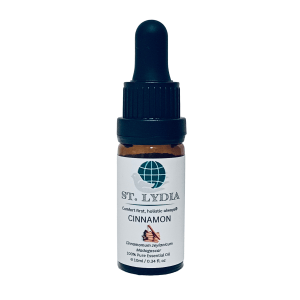
Cinnamon Natural Essential Oil (Cinnamomum zeylanicum / Cinnamomum verum) – Madagascar
Price range: €9.00 through €70.00Cinnamon Natural Essential Oil (Cinnamomum zeylanicum / Cinnamomum verum) – Madagascar
VAT Included. Shipping calculated at checkout.
Free nationwide delivery on orders over €60
Price range: €9.00 through €70.00 -
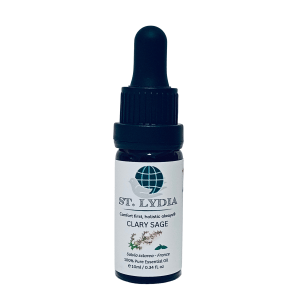
Clary Sage Natural Essential Oil (Salvia sclarea L.) – France
Price range: €12.00 through €92.00Clary Sage Natural Essential Oil (Salvia sclarea L.) – France
VAT Included. Shipping calculated at checkout.
Free nationwide delivery on orders over €60
Price range: €12.00 through €92.00


There are no reviews yet.