

Apricot Kernel Oil (Prunus Armeniaca) – Spain
€9.00
💰 VAT Included. 📦 Shipping calculated at checkout.
📦 🚚 Free nationwide delivery on orders over €60
Description
Apricot Kernel Oil
***Apricot Kernel Oil – History***
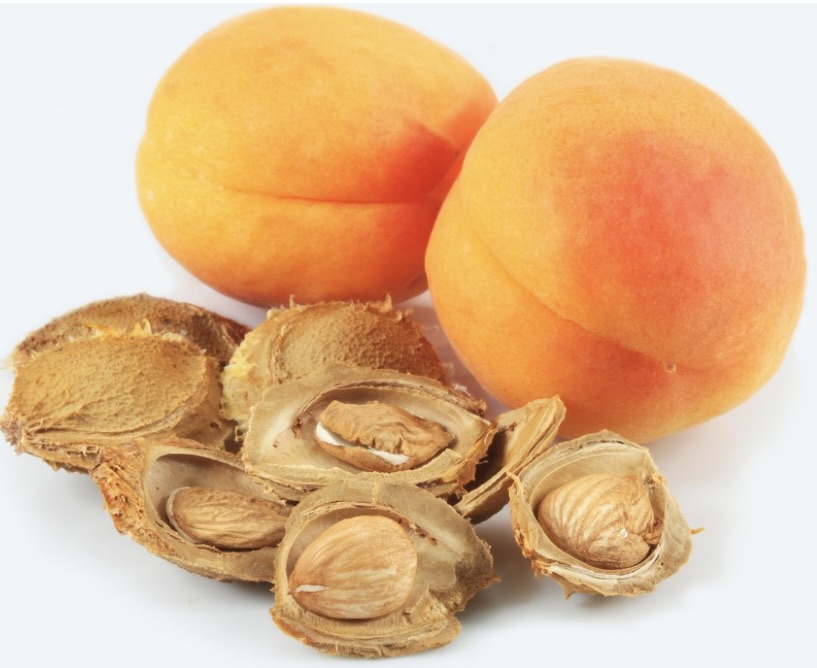
Apricot Kernel oil is extracted from the kernel (seed) of the apricot fruit, scientifically known as Prunus armeniaca. Apricot is believed to have originated in China over 4,000 years ago, and spread to Persia, Armenia, and eventually the Mediterranean region. The term armeniaca in its scientific name reflects the Roman belief that apricots came from Armenia.
In Traditional Chinese Medicine (TCM), apricot kernels have been used for respiratory ailments such as coughing and asthma, as well as to alleviate constipation. The bitter components of apricot seeds, particularly amygdalin, are used in moderation as medicinal agents. In Persian and Middle Eastern cultures, apricot oil was employed as a skin softener and massage oil, finding its way into various applications such as cooking, perfumery, and beauty treatments. Evidence from ancient Egypt and Mediterranean cultures suggests the incorporation of apricot-derived products into cosmetic and skin care practices.
Controversy and Caution
Apricot kernels became controversial due to the presence of amygdalin, also known as laetrile or “Vitamin B17.” This compound possesses the ability to transform into cyanide within the human body. During the 1970s, it was widely promoted as a potential alternative cancer treatment. However, subsequent clinical studies have failed to establish any substantial benefits while simultaneously highlighting the potential risks and toxicity associated with its consumption. Regulatory authorities, such as the Food and Drug Administration (FDA) and the European Food Safety Authority (EFSA), now unequivocally advise against the ingestion of bitter apricot kernels in excessive quantities.
Modern Rediscovery
Apricot kernel oil gained prominence in the 20th century in aromatherapy, natural skincare, and massage therapy. It is widely regarded as a mild carrier oil suitable for sensitive skin. It is frequently incorporated into baby products and high-end beauty lines.
***Apricot Kernel Oil – Benefits***
Apricot kernel oil is a versatile carrier oil commonly used in massage therapy due to its compatibility with essential oils. Its light texture and smooth consistency render it ideal for various massage techniques, such as full-body massage, prenatal massage, Swedish massage, and deep tissue massage. Apricot kernel oil absorbs readily without leaving a substantial residue. Its anti-inflammatory properties alleviate muscle soreness and joint pain when used in therapeutic massage. Its gentle nature ensures its suitability for all skin types, including infants and those with sensitive skin.
Apricot kernel oil holds significant importance in the realm of natural skincare due to its nourishing and gentle attributes. It is abundant in oleic and linoleic acids, which impart deep hydration without leaving a greasy residue. It is non-irritating, making it an ideal choice for individuals with dry, sensitive, or inflamed skin. Apricot kernel oil is enriched with vitamin E and A, which contribute to the reduction of the visibility of fine lines and enhancement of skin elasticity.
Apricot kernel oil promotes a healthy, radiant complexion, it is non-comedogenic (does not clog pores) making it suitable for acne-prone skin. Additionally, apricot kernel oil possesses healing properties that can soothe eczema, dermatitis, and sunburn. Its versatility extends to various applications, including face serums, under-eye treatments, natural lip balms, body lotions, and creams.
Light and nutrient-rich, apricot kernel oil can revive dull, dry, or damaged hair. It nourishes follicles with vitamins A & E, soothes dry or itchy scalp; may help reduce dandruff. Apricot kernel oil adds shine, enhances softness and manageability, It helps prevent moisture loss in hair strands. It is commonly used in hot oil treatments, leave-in conditioners, scalp massage oil, and frizz control serum.
✅ 100% Pure Carrier Oil – ℮ 100ml / 3.38 fl. oz
✅ Vegan-friendly and Cruelty-free
***Botanical Name*** Prunus armeniaca
***Family*** Rosaceae
***Origin*** Spain
***Plant Part*** Kernel (Seeds)
***Extraction Method*** Cold Pressed
***Aroma*** It has a mild to odourless scent
***Colour*** Pale yellow
***Consistency*** Light
***Absorption*** Non-greasy, and fast-absorbing.
***Composition Highlights*** Apricot kernel oil contains Oleic Acid (Omega-9), Linoleic Acid (Omega-6), Palmitic Acid, Stearic Acid, Vitamin E (tocopherols), Vitamin A (retinoids), Beta-sitosterol, and Campesterol. While these are the primary constituents, the oil may also contain minor components in smaller quantities, with major impacts.
***Storage Conditions*** Store apricot kernel oil in a cool, dark place away from direct sunlight to prevent oxidation.
***Shelf Life*** 6 – 12 months
⚠️Caution⚠️ While apricot kernel oil is generally safe and well-tolerated, there are a few important cautions and considerations to keep in mind, especially for people with sensitivities or using it for the first time.
- ***Skin Irritation*** Apricot kernel oil is considered safe for most people, but it may cause skin irritation or allergic reactions in some individuals, especially those with sensitive skin. It is best to patch test on a small area (e.g., on the inner arm) before applying to the face or body. While apricot kernel oil is non-comedogenic, overuse may still lead to temporary clogged pores in very oily or acne-prone skin, especially if layered heavily or mixed with heavy creams. It’s safe on most dry or irritated areas, but skip open wounds or raw skin unless guided by a dermatologist. Avoid contact with eyes, inner ears, and sensitive areas.
- ***Pregnancy and Nursing*** Apricot kernel oil is generally considered safe for pregnant and breastfeeding women, especially when used topically, in moderation, and with careful consideration of potential sensitivities. If blending with essential oils, always research each oil’s safety. Avoid application on the breast/nipple area if nursing, to prevent ingestion by baby. If you’re ever unsure, run it by your healthcare provider — especially if you’re using carrier oils on larger skin areas or planning to use them regularly.
- ***Children*** Topical use on children (especially over 2 years old) is generally considered safe in small amounts. However, because children’s skin is more permeable and more reactive, extra care must be taken. However, it’s crucial to consult with a paediatrician or healthcare provider before using it, especially if a child has any underlying health conditions or is taking medications. A paediatrician can assess the child’s individual health needs and determine if apricot kernel oil is appropriate for massage.
- ***Internal Use*** Do not ingest cosmetic grade apricot kernel oil, it can be toxic and may lead to adverse effects such as vomiting, abdominal pain, and kidney damage. Always use food-grade apricot kernel oil from reputable sources and consult with a healthcare professional before internal use.
- ***Medical Conditions*** While carrier oils are generally safe, some can potentially exacerbate certain medical conditions or interact with medications, especially when used in large amounts, internally, or on compromised skin. Carrier oils are unlikely to directly affect blood sugar, but internal use (e.g., in capsules) of certain oils could theoretically interact with diabetes medications or influence insulin sensitivity. Always disclose new product use (including apricot-based products) to your healthcare provider if you’re on prescription medication or managing a chronic condition.
- ***Allergies*** People with allergies to nuts, peaches, plums, cherries, or almonds may also react to apricot kernel oil due to botanical similarities (Rosaceae family). Consult with medical practitioner before using apricot kernel oil. Though rare, some people may experience redness, itching or rash. Always do a patch test (e.g., on the inner arm) before using it on larger areas or the face. Always discontinue use if you experience any signs of an allergic reaction.
***Note*** Although carrier oils have a longstanding history of use and are valued for their potential benefits, individual experiences may vary.
Additional information
| Directions For Use | There are many ways to enjoy the benefits of carrier oils. You can use one or more oils mixed together to make your own remedy. Topical Use (Skin & Hair)
Massage Oil
Facial Use
Hair & Scalp
|
|---|---|
| Carrier Oil Dilution Guide (for Essential Oils) | ***Essential oils should never be applied directly to the skin without dilution. Carrier oils make them safe to use*** When mixing essential oils with a carrier oil, the percentage of dilution depends on who you're using it for and the purpose. Here's a simple breakdown: * 0.25% to 0.5% dilution: Ideal for infants under 2 years old. Use 1 to 2 drops of essential oil per tablespoon (15 mL) of carrier oil. ***Note*** One tablespoon equals about 15 mL, and 1 mL equals about 20 drops (depending on the dropper), so this helps when scaling recipes. |
Related products
-
Benzoin Absolute (Styrax benzoin) – Sumatra
Price range: €9.00 through €70.00Benzoin Absolute (Styrax benzoin) – Sumatra
💰 VAT Included. 📦 Shipping calculated at checkout.
📦 🚚 Free nationwide delivery on orders over €60
Price range: €9.00 through €70.00 -
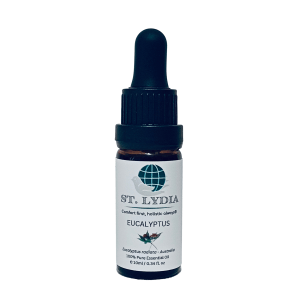
Eucalyptus radiata Natural Essential Oil (Eucalyptus radiata) – Australia
Price range: €7.00 through €54.00Eucalyptus radiata Natural Essential Oil (Eucalyptus radiata) – Australia
💰 VAT Included. 📦 Shipping calculated at checkout.
📦 🚚 Free nationwide delivery on orders over €60
Price range: €7.00 through €54.00 -
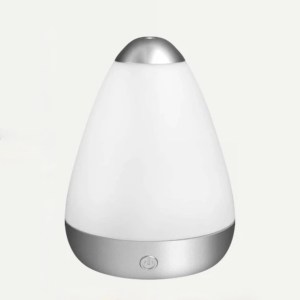
Ultrasonic Humidifier & Essential Oil Diffuser
€30.00Ultrasonic Humidifier & Essential Oil Diffuser
💰 VAT Included. 📦 Shipping calculated at checkout.
📦 🚚 Free nationwide delivery on orders over €60
€30.00 -
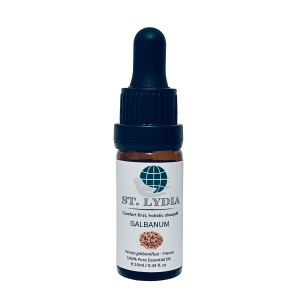
Galbanum Natural Essential Oil (Ferula galbaniflua) – France
Price range: €25.00 through €180.00Galbanum Natural Essential Oil (Ferula galbaniflua) – France
💰 VAT Included. 📦 Shipping calculated at checkout.
📦 🚚 Free nationwide delivery on orders over €60
Price range: €25.00 through €180.00
There are no reviews yet.