

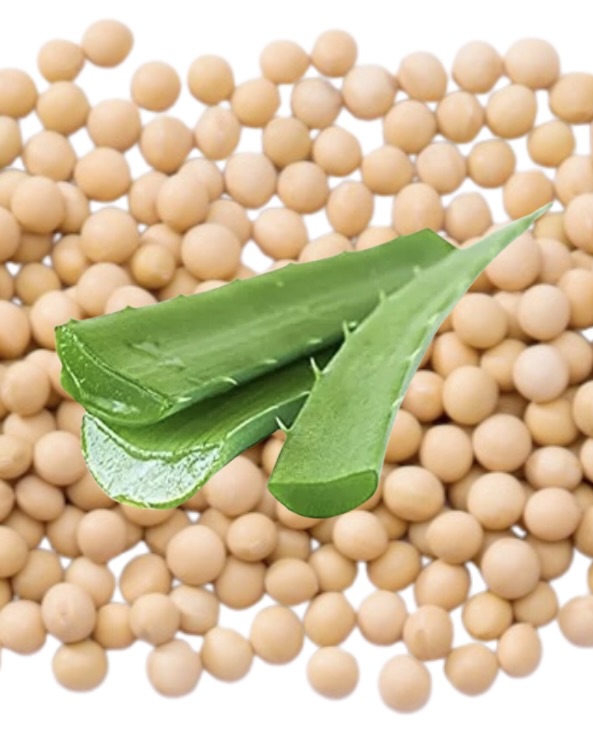

Aloe-Infused Soybean Oil (Aloe Barbadensis, Glycine soja) – India
€4.00
💰 VAT Included. 📦 Shipping calculated at checkout.
📦 🚚 Free nationwide delivery on orders over €60
Description
Aloe-Infused Soybean Oil
***Aloe-Infused Soybean Oil – History***
Aloe-Infused Soybean oil is derived from aloe vera gel (Aloe barbadensis), infused in soybean oil (Glycine soja). This aloe-infused soybean oil is crafted by gently blending pure aloe gel into vitamin-rich soybean oil, creating a lightweight, fast-absorbing formula that soothes irritation, improves skin tone, and locks in moisture.
Aloe Vera Gel (Aloe barbadensis)
Aloe vera is one of the oldest recorded medicinal plants, used for over 6,000 years. It is considered to be native only to the South-East Arabian Peninsula in the Harar Mountain in north-eastern Oman and eastern U.A.E. However, it has been widely cultivated around the world, and has become naturalised in North Africa, as well as Sudan and neighbouring countries, along with the Canary Island, Carpe Verde, and Madeira Islands.
Ancient civilisations have used Aloe vera for thousands of years. Egyptians called it the “plant of immortality” as early as 3000 BCE, using it in embalming and in healing balms. It was included in pharaohs’ burial goods. In ancient Mesopotamia, references to a plant similar to Aloe appear on clay tablets. Alexander the Great is said to have used Aloe vera to treat his soldiers’ wounds after being advised by Aristotle.
In Ancient Greece and Rome, physicians like Dioscorides and Galen recorded Aloe’s uses in their medical texts, describing its applications for wounds, gastrointestinal issues, and skin irritations. Traditional Chinese medicine also documented Aloe’s cooling and healing properties for burns, ulcers, and inflammatory skin conditions. Arab traders helped spread Aloe across the Middle East and into Africa and India. Spanish conquistadors brought Aloe to the New World (Caribbean and South America) after seeing its value.
Missionaries grew Aloe in mission gardens to treat sick and injured people. By the 19th century, Aloe was a well-known remedy in Europe and North America. Aloe latex (the bitter yellow sap from just under the leaf skin) was initially more popular than the clear gel inside the leaf; it was used mainly as a laxative. 20th-century scientists shifted focus to the gel due to its soothing, moisturising, and healing properties, especially for burns and wounds. After World War II, Aloe gel was studied for treating radiation burns, boosting its reputation.
Today, aloe vera is widely believed to expedite the healing of minor burns, particularly sunburns. It also promotes the rapid healing of cuts, abrasions, and surgical wounds. Its anti-inflammatory properties effectively reduce skin inflammation and redness. Aloe vera provides deep hydration without leaving the skin greasy, making it ideal for individuals with oily or sensitive skin types. Additionally, it offers Irritation Relief by effectively calming itching, rashes, eczema, and psoriasis symptoms.
Rich in vitamins C and E, aloe vera combats oxidative stress, which contributes to skin aging. It enhances skin elasticity by maintaining collagen and elastin fibres, resulting in youthful-looking skin. Regular use can help diminish early signs of aging and reduce the appearance of fine lines. Furthermore, aloe vera provides protection against infections, particularly in minor wounds and cuts. It may also aid in controlling fungal infections such as athlete’s foot or candida skin infections.
Additionally, aloe vera boosts the immune system by enhancing immune responses through polysaccharides like acemannan. It conditions hair, adding shine and softness to dry, brittle hair. Aloe vera also soothes the scalp, reducing dandruff, itching, and flakiness due to its anti-fungal and moisturising properties. Furthermore, it may stimulate hair follicles, potentially promoting healthier hair growth.
Evolution into Aloe Oil
Historically, people used the fresh gel or dried sap (known as “aloe latex”) of the aloe plant for topical and internal treatments. The idea of infusing Aloe in oil likely arose out of a need for preservation and enhanced application. Fresh aloe vera gel spoils quickly (within a few days without refrigeration). Infusing the gel into oils created a way to extend shelf life and enhance skin absorption. Herbalists and healers traditionally used sun infusion techniques — placing aloe and oil together in a jar exposed to sunlight over several days or weeks.
Soybean oil (Glycine soja)
Soybean oil (Glycine soja), derived from the seeds of the wild soybean plant, has a long history of use both as a food and a cosmetic ingredient. Soybeans were first domesticated in East Asia over 3,000 years ago. Glycine soja is the wild ancestor of the domesticated soybean (Glycine max), and has contributed to modern soy breeding. In China, Korea, and Japan, soybeans were traditionally used for food (tofu, miso, soy sauce). Soybean oil has long been used for cooking and, later, industrial purposes like soap and paint. Over the last few decades, Glycine soja oil has gained popularity in cosmetics and skincare for its emollient and antioxidant properties.
Soybean oil (Glycine soja) is a valuable ingredient in aromatherapy and in skincare products due to its rich composition of essential fatty acids. It contains linoleic acid (omega-6), oleic acid (omega-9), and alpha-linolenic acid (omega-3), which collectively contribute to maintaining skin barrier function and hydration. Soybean oil is particularly noteworthy for its high vitamin E content (tocopherol). Vitamin E acts as a natural antioxidant, safeguarding the skin from free radical damage and environmental stressors. It also supports anti-aging and healing processes.
Soybean oil possesses emollient properties that soften and smooth the skin, making it suitable for individuals with dry, irritated, or sensitive skin. Its non-comedogenic nature prevents clogging pores, making it an appropriate choice for acne-prone skin when used appropriately. Soybean oil enhances skin elasticity and texture, promotes collagen production, and contributes to maintaining skin firmness over time. Additionally, soybean oil exhibits anti-inflammatory effects, reducing redness and irritation. This makes it particularly beneficial in products designed for eczema or rosacea. Soybean oil finds widespread use in skincare products, including moisturisers, facial oils, cleansers, anti-aging creams, hair conditioners, and serums.
***Aloe-Infused Soybean Oil – Benefit***
Aloe-infused Soybean oil is highly popular in aromatherapy, cosmetic, pharmaceutical, and alternative health industries for products like lotions, creams, serums, and massage oils. This oil’s infusion captures the calming, anti-inflammatory properties of aloe vera with the moisturising and antioxidant benefits of soybean oil. It is an exceptional base and carrier oil for essential oils, enhancing their absorption and providing a soothing, silky texture for massage. Aloe’s anti-inflammatory properties collaborate synergistically with soybean oil to alleviate tension, muscle aches, diminish inflammation, and facilitate muscle recovery. It is suitable for post-workout massage, it effortlessly glides and absorbs without leaving a greasy residue.
This luxurious blend of pure aloe vera gel infused into nutrient-rich soybean oil, is designed to nourish, soothe, and hydrate the skin. It is a lightweight, non-greasy botanical oil that promotes skin elasticity, reduces dryness, and supports natural skin repair. This oil is highly effective for hydrating the scalp, managing dandruff, and fortifying hair. It is ideal for use as a daily moisturiser, ingredient in DIY skin and hair care blends, or as a standalone body oil for everyday hydration and care. It is free from synthetic additives, a clean, plant-based solution for smooth, healthy-looking skin.
✅ 100% Pure Infused Oil – ℮ 100ml / 3.38 fl. oz
✅ Vegan-friendly and Cruelty-free
***Botanical Name*** Aloe barbadensis (Aloe Vera) Gel, Glycine soja (Soybean) Oil
***Family*** Asphodelaceae (Aloe Vare), Fabaceae (Soybean)
***Origin*** India
***Plant Part*** Aloe vera gel infused soybean oil
***Extraction Method*** Infusion
***Aroma*** It is has a mild, slightly herbal aroma.
***Colour*** Pale yellow to golden
***Consistency*** Light – medium; smooth, non-greasy feel
***Absorption*** Absorbs relatively quickly, leaving a soft, moisturised feeling.
***Composition Highlights*** Aloe-Infused Soybean oil contains Polysaccharides (Acemannan), Vitamins (A, C, E, B12, folic acid), Amino acids, Enzymes, Fatty acids (from soybean oil), Minerals (calcium, magnesium, zinc, etc). While these are the primary constituents, the oil may also contain minor components in smaller quantities, with major impacts.
***Storage Conditions*** Store aloe-infused soybean oil in a cool, dark place away from direct sunlight to prevent oxidation.
***Shelf Life*** 1 – 2 years
⚠️Caution⚠️ When using Aloe-Infused Soybean oil, it’s important to consider both the properties of aloe vera and soybean oil to ensure safe and effective use. Here are key precautions to keep in mind:
- ***Skin Irritation*** Aloe-infused soybean oil is generally considered safe for most people, but it may cause skin irritation or allergic reactions in some individuals, especially those with sensitive skin. It is best to patch test on a small area (e.g., on the inner arm) before applying to the face or body. It is safe on most dry or irritated areas, but skip open wounds or raw skin unless guided by a dermatologist. Avoid contact with eyes, inner ears, and sensitive areas.
- ***Photosensitivity*** In rare cases, some people become more sensitive to sunlight when using aloe products on the skin. If using aloe-infused soybean oil before sun exposure, watch for any unusual skin reactions and consider layering with sunscreen.
- ***Pregnancy and Nursing*** While aloe-infused soybean oil is generally considered safe for topical use during pregnancy and breastfeeding, pregnant and breastfeeding women should exercise caution and avoid taking them internally. It’s always best to check with a healthcare professional before using any new product. Breastfeeding mothers should also be cautious, as Aloe-Infused Soybean oil can cause diarrhea and vomiting in infants. If using Aloe-Infused Soybean oil for breast soreness, remove it from the nipple area before breastfeeding to avoid the taste affecting the baby’s feeding.
- ***Children*** While often used in baby massage, it may affect the skin barrier function in very young infants. Use with care and consult a paediatrician for infants under 6 months. Keep out of reach of children and pets to prevent accidental ingestion or contact.
- ***Internal Use*** Aloe-infused soybean oil is designed for external use only. Do not ingest this oil — it can be toxic and may cause adverse effects such as vomiting, abdominal pain, and kidney damage.
- ***Medical Conditions*** Aloe-infused soybean oil may interact with medications like blood thinners or diabetes drugs, and potentially exacerbate certain medical conditions. Soybean oil contains phytoestrogens, which may affect conditions like breast cancer, ovarian cancer, or endometriosis. It is recommended to consult with a healthcare professional if you have any medical condition or taking medications before using Aloe-Infused Soybean oil.
- ***Allergies*** Aloe-Infused Soybean oil oil’s properties are influenced by the carrier oil used. If you have allergies to soybeans, you could react the Aloe-Infused Soybean oil. Heating can degrade both aloe and soybean oil, reducing effectiveness and potentially creating skin irritants. Though rare, some people may experience redness, itching or rash. Always do a patch test (e.g., on the inner arm) before using Aloe-Infused Soybean oil on larger areas or the face. Always discontinue use if you experience any signs of an allergic reaction.
***Note*** Although carrier oils have a longstanding history of use and are valued for their potential benefits, individual experiences may vary.
Additional information
| Directions For Use | There are many ways to enjoy the benefits of carrier oils. You can use one or more oils mixed together to make your own remedy. Topical Use (Skin & Hair) |
|---|---|
| Carrier Oil Dilution Guide (for Essential Oils) | ***Essential oils should never be applied directly to the skin without dilution. Carrier oils make them safe to use*** When mixing essential oils with a carrier oil, the percentage of dilution depends on who you're using it for and the purpose. Here's a simple breakdown: * 0.25% to 0.5% dilution: Ideal for infants under 2 years old. Use 1 to 2 drops of essential oil per tablespoon (15 mL) of carrier oil. ***Note*** One tablespoon equals about 15 mL, and 1 mL equals about 20 drops (depending on the dropper), so this helps when scaling recipes. |
Related products
-
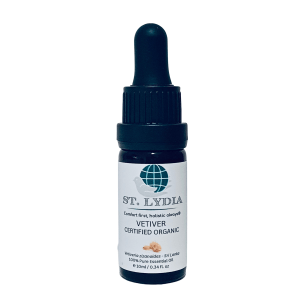
Vetiver Organic Essential Oil (Vetiveria zizanioides / Chrysopogon zizanioides) – Sri Lanka
Price range: €25.00 through €180.00Vetiver Organic Essential Oil (Vetiveria zizanioides / Chrysopogon zizanioides) – Sri Lanka
💰 VAT Included. 📦 Shipping calculated at checkout.
📦 🚚 Free nationwide delivery on orders over €60
Price range: €25.00 through €180.00 -
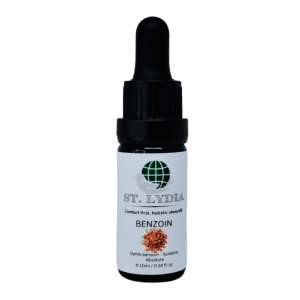
Benzoin Absolute (Styrax benzoin) – Sumatra
Price range: €9.00 through €70.00Benzoin Absolute (Styrax benzoin) – Sumatra
💰 VAT Included. 📦 Shipping calculated at checkout.
📦 🚚 Free nationwide delivery on orders over €60
Price range: €9.00 through €70.00 -
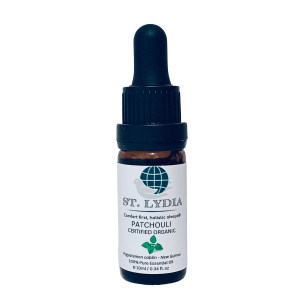
Patchouli Organic Essential Oil (Pogostemon cablin) – New Guinea
Price range: €12.00 through €70.00Patchouli Organic Essential Oil (Pogostemon cablin) – New Guinea
💰 VAT Included. 📦 Shipping calculated at checkout.
📦 🚚 Free nationwide delivery on orders over €60
Price range: €12.00 through €70.00 -
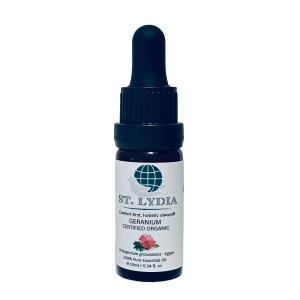
Geranium Organic Essential Oil (Pelargonium graveolens / Pelargonium asperum) – Egypt
Price range: €14.00 through €95.00Geranium Organic Essential Oil (Pelargonium graveolens / Pelargonium asperum) – Egypt
💰 VAT Included. 📦 Shipping calculated at checkout.
📦 🚚 Free nationwide delivery on orders over €60
Price range: €14.00 through €95.00
There are no reviews yet.