

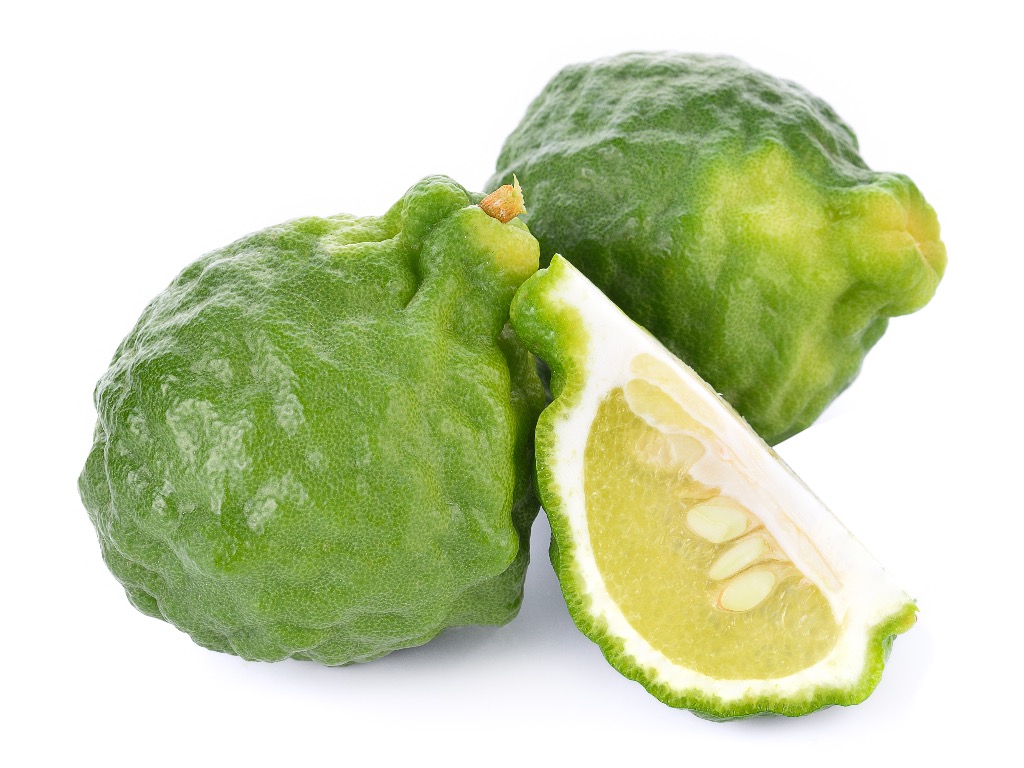

Bergamot Calabrian Natural Essential Oil (Citrus bergamia) – Italy
Price range: €8.00 through €65.00
💰 VAT Included. 📦 Shipping calculated at checkout.
📦 🚚 Free nationwide delivery on orders over €60
Description
Bergamot Calabrian Natural Essential Oil
***Bergamot Calabrian Natural Essential Oil – History***
Bergamot Calabrian essential oil is extracted from the rind (fruit peel) of the bergamot fruit, scientifically known as Citrus bergamia. This small, pear-shaped citrus fruit, characterised by its yellow or green colour, is believed to be a hybrid of Citrus × aurantium (bitter orange) and Citrus limetta (sweet lime). Native to southern Italy, Bergamot Calabrian cultivation is primarily concentrated in the Ionian Sea coastal regions of the province of Reggio Di Calabria. Bergamot Calabria specifically refers to a particular variety of bergamot (Citrus bergamia) cultivated within the Calabria region of southern Italy.
Calabria is renowned for producing the highest quality bergamot globally, and its essential oil holds significant value in the fragrance, flavouring, and aromatherapy industries. While bergamot cultivation extends to Sicily, Sorrento, and Amalfi, its production is also limited to North Africa, West Africa, Southeast Asia, and South America. However, it is safe to assume that the majority of the world’s bergamot originates from the Calabria region, which has established a thriving industry centred around the extraction of bergamot oil. This essential ingredient plays a crucial role in perfumes, teas, confectionery, and pharmaceuticals.
Bergamot oil has been an integral component of local homeopathic treatment for centuries, utilised for its antiseptic, anti-inflammatory, and mood-enhancing properties. The distinctive flavour of bergamot has been a pivotal ingredient in Earl Grey tea since the 19th century, contributing to its unique taste profile. Bergamot oil holds a prominent position in the perfume industry, particularly in the creation of Eau de Cologne. In 1709, bergamot oil became a key component of Eau de Cologne, a fragrance developed in Germany by Johann Maria Farina, an Italian-born individual.
The oil continues to be a significant component of the perfume industry, not only in the original Eau de Cologne but also in contemporary fragrances crafted by renowned brands such as Chanel, Dior, Tom Ford, and numerous others. Its use as a top note in many fragrances is attributed to its refreshing and uplifting scent, which harmoniously blends with other oils like lavender, neroli, and Ylang-ylang.
***Bergamot Calabrian Natural Essential Oil – Benefits***
In aromatherapy, bergamot Calabrian essential oil is widely utilised for its uplifting and mood-enhancing properties. It is believed to enhance mood and alleviate stress. Its aroma possesses a calming effect on the nervous system, aiding in the reduction of anxiety, depression, and stress-related conditions. It is commonly incorporated into diffuser blends, massage oils, or added to bathwater for its uplifting and refreshing aroma. In traditional medicine, bergamot Calabrian oil has been employed to treat fevers, indigestion, and infections.
The oil’s antibacterial and anti-inflammatory properties make it beneficial for treating skin conditions such as acne, eczema, and psoriasis. Bergamot Calabrian essential oil exhibits antiseptic properties that may support the immune system and prevent infections. Bergamot Calabrian essential oil can be utilised in homemade cleaners due to its antibacterial properties and pleasant scent. Additionally, it serves as a natural deodoriser and insect repellent.
✅ 100% Pure Natural Essential Oil
✅ Vegan-friendly and Cruelty-free
***Botanical Name*** Citrus bergamia
***Family*** Rutaceae
***Origin*** Calabrian, Italy
***Plant Part*** Fruit Peel
***Extraction Method*** Steam Distillation
***Aroma*** It has a refreshing, sweet with a warm spicy and floral undertones.
***Colour*** Pale Green
***Consistency*** Thin
***Note*** Top
***Strength*** Medium
***Blends With*** Bergamot Calabrian essential oil harmonises well with a diverse range of essential oils, including Neroli, Sandalwood, Frankincense, Lavender, Geranium, Chamomile, and Ylang ylang. These are merely a few examples of essential oils that complement bergamot essential oil. By experimenting with various combinations, you can create distinctive aromas that cater to your preferences and therapeutic objectives.
***Chemical Composition*** Bergamot Calabrian essential oil is composed of a wide variety of chemical compounds that contribute to its therapeutic properties. The exact composition can vary depending on factors like the geographic origin and the method of extraction. However, the primary chemical constituents of bergamot essential oil are as follows: Limonene, Linalyl acetate, Sabinene, Linalool, b-Myrcene, Neryl acetate, γ-Terpinene, β-Pinene, α-Pinene, and Bergapten. While these are the primary constituents, the oil may also contain minor components in smaller quantities, which collectively contribute to its overall aroma and therapeutic properties.
***Storage Conditions*** Store bergamot Calabrian essential oil in a cool, dark location, shielded from direct sunlight, to prevent oxidation and degradation of its aromatic and therapeutic properties.
***Shelf Life*** 1 – 2 years
***Product Safety*** Free from potentially harmful substances like sulphates, parabens, phthalates, synthetic fragrances, formaldehydes, and mineral oil.
⚠️Caution⚠️ Bergamot Calabrian essential oil offers numerous benefits, but it’s important to exercise caution when using it due to its specific characteristics. Here are some precautions to keep in mind when using bergamot essential oil:
- ***Photosensitivity*** Bergamot Calabrian essential oil contains bergaptene, a compound that can cause skin sensitivity and increase the risk of sunburn or skin damage when exposed to sunlight or UV rays. Therefore, avoid applying bergamot oil to the skin before sun exposure, and wait at least 12 hours before going out in the sun after topical application.
- ***Skin Irritation*** Some individuals may experience skin irritation or allergic reactions when using bergamot Calabrian essential oil, especially if it is used undiluted or in high concentrations. Always perform a patch test by diluting the oil in a carrier oil (such as coconut oil or jojoba oil) and applying a small amount to a small area of skin to check for any adverse reactions before using it more extensively. A general guideline is to dilute bergamot oil to a concentration of 1-2% in a carrier oil for safe use on the skin. Avoid contact with eyes, inner ears, and sensitive areas.
- ***Pregnancy and Nursing*** Pregnant and nursing women should consult with a healthcare professional before using bergamot Calabrian essential oil, as its safety during pregnancy and breastfeeding has not been well studied.
- ***Children and Pets*** Bergamot Calabrian essential oil should be kept out of reach of children and pets. Children and pets are generally more sensitive to essential oils, and ingestion or improper use can lead to serious health issues.
- ***Internal Use*** While bergamot Calabrian oil is commonly used in culinary applications, ingesting bergamot essential oil can be toxic and may lead to adverse effects such as vomiting, abdominal pain, and kidney damage. Always use food-grade bergamot oil from reputable sources and consult with a healthcare professional before internal use.
- ***Medical Conditions*** Bergamot Calabrian may influence mood and serotonin levels, so those with bipolar disorder or psychiatric conditions should consult a healthcare provider before use. Although evidence is limited, citrus oils like bergamot may affect estrogen levels. Use caution in conditions like breast cancer, endometriosis, uterine fibroids, etc.
- ***Medications*** Be aware of potential interactions with medications. These include some antibiotics (e.g., tetracyclines, fluoroquinolones), diuretics, retinoids, and NSAIDs. Using bergamot topically with these may increase your risk of phototoxic reactions. Bergamot Calabrian essential oil interact with antidepressants (SSRIs/SNRIs). May theoretically enhance serotonergic effects. It could possibly interact with mood-related medications, though research is limited. Bergamot Calabrian may lower blood pressure slightly; this might enhance the effects of antihypertensive drugs and lead to hypotension. Bergamot oil may affect cytochrome P450 enzymes in the liver, potentially altering the metabolism of certain medications (similar to grapefruit). Medications affected may include: Statins (e.g., simvastatin, atorvastatin), Benzodiazepines, Immunosuppressants and Calcium channel blockers.
- ***Allergies*** If you’re allergic to citrus fruits (like oranges, lemons, or grapefruits), there’s a risk of cross-reactivity with bergamot. Discontinue use if you experience any allergic reactions, such as skin irritation, respiratory issues, or headaches. When in doubt, consult a professional. Always seek advice from a qualified aromatherapist or healthcare provider before using bergamot essential oil.
***Note*** Although essential oils have a longstanding history of use and are valued for their potential benefits, individual experiences may vary.
Additional information
| Directions For Use | There are many ways to enjoy the benefits of essential oils. You can use one or more oils mixed together to make your own remedy. MASSAGE: This is recognised as the most effective way of using essential oils, particularly as it couples the soothing power of touch with the benefits of the oils. To make massage oil, dilute 4 drops of essential oils into 10ml (2 teaspoons) of Carrier Oil. AROMATIC: Diffusing essential oils into the air using a diffuser can act as a natural room freshener, promote relaxation, improve mood, and help with stress relief. BATHING: Essential oils can be used in bath but only after emulsifying. So, if you want to use naturally extracted essential oil in bath, emulsify it prior to use. And for emulsifying, it is suggested to use a solubiliser such as Solubol (Dispersant) and follow the usage guidelines provided by your vendor. Add this blend to your running bath water and mix very well before getting into the tub. When essential oils are added in bath tub without emulsifying, they won't disperse but float on the water and directly react with the skin. INHALATION: This is a good way to relieve cold and congestion with essential oils. |
|---|---|
| Essential Oil Dilution Guide | Welcome to our essential oil dilution guide for topical and perfume use, where we'll explore the art and science of blending essential oils with carrier oils or alcohol for safe and effective application on the skin. Whether you're new to aromatherapy or seeking to enhance your knowledge, this guide will provide you with practical insights and guidelines for diluting essential oils to maximise their therapeutic benefits while minimising the risk of adverse reactions. From general dilution ratios for adults to considerations for children, sensitive individuals, and specific applications, we'll equip you with the knowledge and confidence to create customised blends tailored to your needs. Let's dive in and unlock the secrets of safe and effective topical use of essential oils! Here's a general guide for diluting essential oils for topical use:
Remember that these are general guidelines, and individual preferences and sensitivities may vary. It's always a good idea to start with a lower dilution and adjust as needed based on your personal experience and comfort level. If you have any concerns or specific health conditions, consult with a qualified aromatherapist or healthcare professional for personalised guidance. When creating perfumes with essential oils, you'll typically work with higher concentrations of essential oils compared to topical applications. Here's a general guide for diluting essential oils for perfumery:
Remember that creating perfumes is an art form, and there are no strict rules. Trust your senses and intuition as you explore different essential oil combinations and concentrations to create your signature scent. Keep detailed records of your formulations for future reference and refinement. |
| Packaging | 10ml and 30ml essential oils are packaged in amber glass dropper bottles with pipette for easy application. Larger sizes are packaged in amber screw cap bottles and do not come with droppers. |
Related products
-
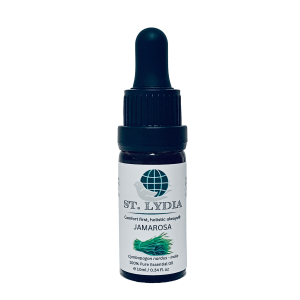
Jamarosa Natural Essential Oil (Cymbopogon nardus x Cymbopogon jwarancusa) – India
Price range: €11.00 through €65.00Jamarosa Natural Essential Oil (Cymbopogon nardus x Cymbopogon jwarancusa) – India
💰 VAT Included. 📦 Shipping calculated at checkout.
📦 🚚 Free nationwide delivery on orders over €60
Price range: €11.00 through €65.00 -
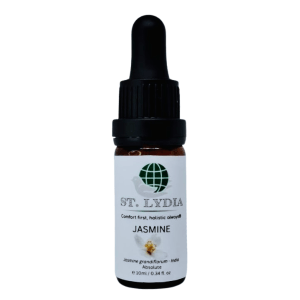
Jasmine Absolute (Jasmine grandiflorum) – India
Price range: €45.00 through €300.00Jasmine Absolute (Jasmine grandiflorum) – India
💰 VAT Included. 📦 Shipping calculated at checkout.
📦 🚚 Free nationwide delivery on orders over €60
Price range: €45.00 through €300.00 -
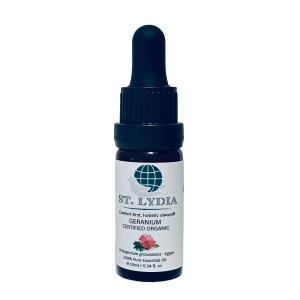
Geranium Organic Essential Oil (Pelargonium graveolens / Pelargonium asperum) – Egypt
Price range: €14.00 through €95.00Geranium Organic Essential Oil (Pelargonium graveolens / Pelargonium asperum) – Egypt
💰 VAT Included. 📦 Shipping calculated at checkout.
📦 🚚 Free nationwide delivery on orders over €60
Price range: €14.00 through €95.00 -
Frankincense Natural Essential Oil (Boswellia carterii) – Somalia
Price range: €18.00 through €140.00Frankincense Natural Essential Oil (Boswellia carterii) – Somalia
💰 VAT Included. 📦 Shipping calculated at checkout.
📦 🚚 Free nationwide delivery on orders over €60
Price range: €18.00 through €140.00

There are no reviews yet.