


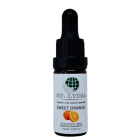

Sweet Orange Natural Essential Oil (Citrus sinensis) – Brazil
Price range: €5.00 through €32.00
💰 VAT Included. 📦 Shipping calculated at checkout.
📦 🚚 Free nationwide delivery on orders over €60
Description
Sweet Orange Natural Essential Oil
***Sweet Orange Natural Essential Oil – History***
Sweet orange natural essential oil is extracted from the rind (peel) of ripe oranges, scientifically known as Citrus x sinensis, a hybrid between pomelo (Citrus maxima) and mandarin (Citrus reticulata). This hybridisation is believed to occur in Southern China, Northern India, and Myanmar thousands of years ago. These regions were among the first to recognise the value of citrus—not only as a flavourful food but also as a natural remedy for ailments ranging from digestive issues to skin conditions.
In Traditional Chinese Medicine, orange peels were used to regulate qi (life energy), aid digestion, and relieve colds and coughs. Though the essential oil as we know it wasn’t distilled in ancient times, the fruit and its aromatic peel were regularly used in infusions, salves, and incense. Most cultivated sweet oranges today—like navel oranges, Valencia, and blood oranges—descend from that original hybrid lineage. So, while we often think of the sweet orange as a “natural” fruit, it’s actually a man-made hybrid that was selectively bred and propagated over centuries.
Sweet oranges made their way to the Mediterranean region via the Silk Road and maritime trade routes, arriving in Europe by the 15th century. Arab traders and later Portuguese and Spanish explorers played key roles in introducing the fruit to the Western world. During the Age of Exploration, sweet oranges became a prized commodity, not only for their flavour but also for their medicinal value—particularly their ability to prevent scurvy among sailors due to their high vitamin C content. By the 17th century, orange trees were cultivated in European royal gardens, and orange blossom water became a luxury in cosmetics and perfumery.
Throughout its history, the sweet orange has symbolised joy, abundance, and good fortune. In Chinese culture, oranges are exchanged during the Lunar New Year as symbols of wealth and happiness. In Mediterranean traditions, oranges were associated with fertility and love, often featured in wedding rituals and floral garlands. The oil, with its cheerful scent, carries these cultural meanings into modern use—inviting positivity, emotional balance, and a sense of well-being. The extraction of essential oils from citrus peels began in the Middle Ages, using rudimentary cold pressing techniques.
However, it wasn’t until the 18th and 19th centuries, with advances in distillation methods, that sweet orange natural essential oil became more widely available for therapeutic use. Unlike many essential oils that are steam-distilled, sweet orange oil is typically cold-pressed from the fruit’s peel, preserving its vibrant, zesty aroma. The byproducts of orange juice production also made the oil more economically accessible, contributing to its growing popularity in aromatherapy, cleaning products, and natural beauty formulas. Today, Brazil, USA (Florida & California), Mexico, and Italy are among the largest producers of both sweet oranges and sweet orange essential oil.
***Sweet Orange Natural Essential Oil – Benefits***
The most well-known and immediate benefit of sweet orange natural essential oil is its ability to lift the mood and dispel negative emotions. Its fresh, fruity aroma works quickly to reduce stress, anxiety, and tension—making it an ideal oil to use in diffusers, room sprays, or personal inhalers during moments of emotional fatigue or overwhelm. Scientific studies have shown that the scent of sweet orange can reduce cortisol levels, support the parasympathetic nervous system, and trigger the brain to release serotonin and dopamine (neuro-chemicals) associated with happiness and relaxation. This makes it a powerful natural tool for improving mood and supporting emotional resilience.
Unlike heavier essential oils that may cause drowsiness, sweet orange natural essential oil offers a calm yet energising effect. It helps ease nervousness and mental chatter while still supporting focus and mental clarity. This makes it a popular choice for people who experience tension headaches, restlessness, or performance anxiety. Whether used during a morning meditation or a mid-day reset, sweet orange natural essential oil helps to create a soothing yet alert state of mind—ideal for both relaxation and productivity.
Despite its bright scent, sweet orange natural essential oil also plays a role in promoting restful sleep. Its mild sedative properties help ease mental stress and calm the nervous system, preparing the body for rest without the heaviness of more intense sleep-inducing oils. When blended with oils like lavender or cedar-wood, sweet orange natural essential oil enhances the relaxing effect and contributes to a peaceful bedtime routine.
In addition to its emotional and mental health benefits, sweet orange natural essential oil is also a natural cleanser and air purifier. Its antimicrobial and anti-fungal properties make it a favourite ingredient in homemade cleaning products, room sprays, and diffusers. When dispersed into the air, it not only creates a refreshing atmosphere but also helps eliminate airborne pathogens and odours. This dual benefit—cleansing the space while uplifting the mood—makes sweet orange natural essential oil a staple in homes, offices, yoga studios, and wellness centres.
✅ 100% Pure Natural Essential Oil
✅ Vegan-friendly and Cruelty-free
***Botanical Name*** Citrus sinensis
***Family*** Rutaceae
***Origin*** Brazil
***Plant Part*** Rind (Fruit Peel)
***Extraction Method*** Cold Pressed
***Aroma*** It has a sweet, fresh, citrusy, bright, slightly tangy scent.
***Colour*** Pale yellow to deep orange
***Consistency*** Thin
***Note*** Top
***Strength*** Medium – Strong
***Blends With*** Sweet orange natural essential oil harmonises well with a diverse range of essential oils, including Lemon, Bergamot, Geranium, Lavender, Peppermint, Frankincense, Rosemary, Neroli, and Eucalyptus. These are merely a few examples of essential oils that complement the sweet orange essential oil. By experimenting with various combinations, you can create distinctive aromas that cater to your preferences and therapeutic objectives.
***Chemical Composition*** Sweet orange natural essential oil is composed of a wide variety of chemical compounds that contribute to its therapeutic properties. The exact composition can vary depending on factors like the geographic origin, and the method of extraction. However, the primary chemical constituents of citronella oil are as follows: Limonene, Myrcene, Linalool, and α-Pinene. While these are the primary constituents, the oil may also contain minor components in smaller quantities, which collectively contribute to its overall aroma and therapeutic properties.
***Storage Conditions*** Store sweet orange natural essential oil in a cool, dark location, shielded from direct sunlight, to prevent oxidation and degradation of its aromatic and therapeutic properties.
***Shelf Life*** 1 – 2 years
***Product Safety*** Free from potentially harmful substances like sulphates, parabens, phthalates, synthetic fragrances, formaldehydes, and mineral oil.
⚠️Caution⚠️ While sweet orange natural essential oil offers many benefits, it’s important to use it with care due to its potency. It is important to follow these precautions to avoid adverse reactions:
- ***Skin Irritation*** Some individuals may experience skin irritation or allergic reactions when using sweet orange natural essential oil, particularly when undiluted or in high concentrations. Prioritise safety by conducting a patch test by diluting the oil with a carrier oil (e.g., coconut oil or jojoba oil) and applying a small amount to a inconspicuous area of skin to assess for any adverse reactions. Refrain from contact with the eyes, inner ears, and sensitive regions.
- ***Pregnancy and Nursing*** Sweet orange natural essential oil is generally considered safe for pregnant and breastfeeding women, especially when used topically, in moderation, with proper dilution and with careful consideration of potential sensitivities. Nursing mothers should avoid application directly on or near the nipple area to prevent accidental ingestion by baby.
- ***Children and Pets*** Sweet orange natural essential oil should not be used on children under the age of 2 unless under professional guidance. Essential oils can be very potent for young children, and some oils can be too strong for their sensitive systems. Keep all essential oil out of reach of children and pets.
- ***Internal Use*** Sweet orange natural essential oil is not intended for internal use and should not be taken internally. Essential oils are very potent and can cause adverse effects if ingested.
- ***Medical Conditions*** If you have any underlying health conditions or are taking medications, consult with a healthcare professional before using sweet orange natural essential oil. This essential oil may interact with certain medications or exacerbate certain health issues. Sweet orange contains limonene, which may mildly affect liver enzymes (CYP450), potentially altering how some drugs are metabolised. While rare, citrus oils can occasionally trigger symptoms in people with asthma or chronic respiratory issues, especially in poorly ventilated areas.
- ***Allergies*** Some individuals may experience allergic reactions to sweet orange essential oil, especially if they have sensitivities to citrus fruit (especially orange or mandarin). Symptoms may include skin irritation, swelling, or respiratory issues. Always discontinue use if you experience any signs of an allergic reaction.
***Note*** Although essential oils have a longstanding history of use and are valued for their potential benefits, individual experiences may vary.
Additional information
| Directions For Use | There are many ways to enjoy the benefits of essential oils. You can use one or more oils mixed together to make your own remedy. MASSAGE: This is recognised as the most effective way of using essential oils, particularly as it couples the soothing power of touch with the benefits of the oils. To make massage oil, dilute 4 drops of essential oils into 10ml (2 teaspoons) of Carrier Oil. AROMATIC: Diffusing essential oils into the air using a diffuser can act as a natural room freshener, promote relaxation, improve mood, and help with stress relief. BATHING: Essential oils can be used in bath but only after emulsifying. So, if you want to use naturally extracted essential oil in bath, emulsify it prior to use. And for emulsifying, it is suggested to use a solubiliser such as Solubol (Dispersant) and follow the usage guidelines provided by your vendor. Add this blend to your running bath water and mix very well before getting into the tub. When essential oils are added in bath tub without emulsifying, they won't disperse but float on the water and directly react with the skin. INHALATION: This is a good way to relieve cold and congestion with essential oils. |
|---|---|
| Essential Oil Dilution Guide | Welcome to our essential oil dilution guide for topical and perfume use, where we'll explore the art and science of blending essential oils with carrier oils or alcohol for safe and effective application on the skin. Whether you're new to aromatherapy or seeking to enhance your knowledge, this guide will provide you with practical insights and guidelines for diluting essential oils to maximise their therapeutic benefits while minimising the risk of adverse reactions. From general dilution ratios for adults to considerations for children, sensitive individuals, and specific applications, we'll equip you with the knowledge and confidence to create customised blends tailored to your needs. Let's dive in and unlock the secrets of safe and effective topical use of essential oils! Here's a general guide for diluting essential oils for topical use:
Remember that these are general guidelines, and individual preferences and sensitivities may vary. It's always a good idea to start with a lower dilution and adjust as needed based on your personal experience and comfort level. If you have any concerns or specific health conditions, consult with a qualified aromatherapist or healthcare professional for personalised guidance. When creating perfumes with essential oils, you'll typically work with higher concentrations of essential oils compared to topical applications. Here's a general guide for diluting essential oils for perfumery:
Remember that creating perfumes is an art form, and there are no strict rules. Trust your senses and intuition as you explore different essential oil combinations and concentrations to create your signature scent. Keep detailed records of your formulations for future reference and refinement. |
| Packaging | 10ml and 30ml essential oils are packaged in amber glass dropper bottles with pipette for easy application. Larger sizes are packaged in amber screw cap bottles and do not come with droppers. |
Related products
-
Helichrysum Natural Essential Oil (Helichrysum splendidum) – South Africa
Price range: €45.00 through €300.00Helichrysum Natural Essential Oil (Helichrysum splendidum) – South Africa
💰 VAT Included. 📦 Shipping calculated at checkout.
📦 🚚 Free nationwide delivery on orders over €60
Price range: €45.00 through €300.00 -
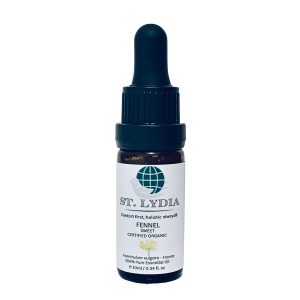
Sweet Fennel Organic Essential Oil (Foeniculum vulgare) – France
Price range: €7.00 through €49.00Sweet Fennel Organic Essential Oil (Foeniculum vulgare) – France
💰 VAT Included. 📦 Shipping calculated at checkout.
📦 🚚 Free nationwide delivery on orders over €60
Price range: €7.00 through €49.00 -
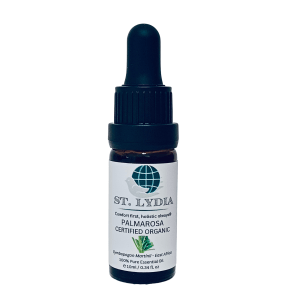
Palmarosa Organic Essential Oil (Cymbopogon martinii) – East Africa
Price range: €14.00 through €95.00Palmarosa Organic Essential Oil (Cymbopogon martinii) – East Africa
💰 VAT Included. 📦 Shipping calculated at checkout.
📦 🚚 Free nationwide delivery on orders over €60
Price range: €14.00 through €95.00 -
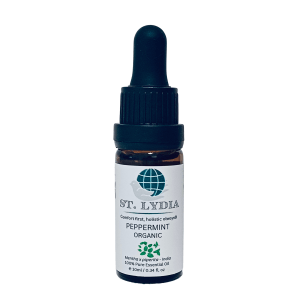
Peppermint Organic Essential Oil (Mentha x piperita) – India
Price range: €7.00 through €49.00Peppermint Organic Essential Oil (Mentha x piperita) – India
💰 VAT Included. 📦 Shipping calculated at checkout.
📦 🚚 Free nationwide delivery on orders over €60
Price range: €7.00 through €49.00

There are no reviews yet.