
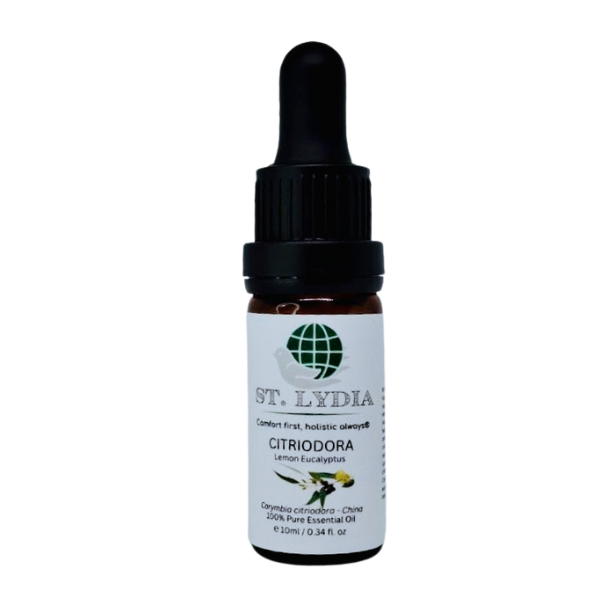
Citriodora Natural Essential Oil (Corymbia citriodora) – China
Price range: €6.00 through €45.00
💰 VAT Included. 📦 Shipping calculated at checkout.
📦 🚚 Free nationwide delivery on orders over €60
Description
Citriodora Natural Essential Oil
***Citriodora Natural Essential Oil – History***
Citriodora natural essential oil, commonly known as Lemon Eucalyptus oil, is extracted from the leaves of the citriodora trees, scientifically known as Corymbia citriodora, formerly classified as Eucalyptus citriodora. This tree is native to the northeastern regions of Australia and is prized for its distinctive fresh, lemony scent and powerful insect-repelling properties. Long before citronella or synthetic repellents were known, Indigenous Australians harnessed the natural benefits of the lemon eucalyptus tree. They used its leaves in traditional medicine, recognising its soothing aroma and therapeutic qualities.
The oil was also valued for its ability to naturally repel insects, making it an important part of daily life in the bush. The lemon eucalyptus tree was formally classified in the 19th century during botanical explorations of Australia’s flora. Its essential oil, rich in the compound p-menthane-3,8-diol (PMD), drew attention for both its aromatic and medicinal qualities. Throughout the 20th century, scientific research increasingly focused on Citriodora essential oil’s insect-repellent capabilities, as well as its antimicrobial and anti-inflammatory properties. Studies confirmed that lemon eucalyptus oil could be as effective as low concentrations of synthetic repellents like DEET, which helped elevate its status globally.
While the tree’s native range is Australia, commercial cultivation expanded to tropical and subtropical regions worldwide, including parts of Asia, Africa, and South America. This expansion was driven by growing consumer demand for natural, plant-based insect repellents and aromatherapy products. By the late 20th and early 21st centuries, lemon eucalyptus oil had become a popular ingredient in natural insect repellents, skincare products, and aromatherapy blends. Its fresh, uplifting scent combined with practical benefits made it a preferred choice for wellness enthusiasts seeking effective, natural alternatives.
Today, Citriodora essential oil is widely used in natural health and beauty industries. It is a key ingredient in lotions, sprays, and diffusers aimed at providing relief from insects while supporting emotional well-being through its refreshing aroma. The World Health Organisation has even recognised the lemon eucalyptus extract as an effective natural insect repellent, validating its importance beyond traditional and commercial uses. From its ancient use by Indigenous Australians to its current global acclaim, Citriodora essential oil’s history is one of tradition, discovery, and innovation. Its blend of natural insect-repelling power and aromatic beauty continues to make it a valuable essential oil in holistic health and everyday wellness.
***Citriodora Natural Essential Oil – Benefits***
Citriodora essential oil, also known as Lemon Eucalyptus oil, offers a refreshing and invigorating citrus aroma combined with powerful therapeutic properties. At the heart of Citriodora oil’s appeal is its bright, fresh lemon scent that instantly uplifts the mood and energises the mind. When diffused, its invigorating aroma helps combat feelings of mental fatigue and lethargy, promoting alertness and a positive outlook. The clean, crisp fragrance is ideal for refreshing living spaces and enhancing emotional well-being.
Citriodora essential oil also plays a valuable role in reducing stress and promoting relaxation. Its soothing scent helps calm the nervous system and ease anxiety, making it useful for those coping with tension or emotional overwhelm. Whether used in massage blends or diffused during meditation, Citriodora oil fosters a sense of calm and emotional balance. Beyond relaxation, Citriodora essential oil’s aroma supports mental clarity and concentration. The stimulating lemony notes can help clear mental fog, enhance cognitive function, and improve focus—making it a popular choice for work or study environments. It promotes an alert yet calm state of mind, enabling better productivity and decision-making.
One of the most practical aromatherapy benefits of Citriodora essential oil is its natural insect-repelling properties, largely due to the active compound p-menthane-3,8-diol (PMD). Unlike synthetic repellents, the oil provides a safe and pleasant way to keep mosquitoes and other insects at bay, which is particularly valuable in outdoor or tropical settings. Using Citriodora oil aromatically or topically (diluted) not only protects from insect bites but also supports the body’s natural defence without harsh chemicals. This dual role enhances both physical comfort and peace of mind during outdoor activities. Inhaling Citriodora essential oil can also aid respiratory health. Its fresh, clean aroma helps clear nasal passages and ease breathing, making it beneficial during colds or allergies.
Additionally, when diffused, it purifies the air by reducing airborne bacteria and unpleasant odours, contributing to a healthier living environment. Citriodora essential oil is a shining example of nature’s ability to combine therapeutic efficacy with sensory delight. Its bright citrus fragrance and multifaceted benefits make it a valuable addition to any aromatherapy practice, supporting emotional well-being, mental clarity, physical comfort, and environmental freshness.
Whether diffused to uplift the spirit, applied in diluted form for insect protection, or incorporated into self-care routines for relaxation, Citriodora oil offers a natural and refreshing path to holistic wellness.
✅ 100% Pure Natural Essential Oil
✅ Vegan-friendly and Cruelty-free
***Botanical Name*** Corymbia citriodora / Eucalyptus citriodora
***Family*** Myrtaceae
***Origin*** China
***Plant Part*** Leaves
***Extraction Method*** Steam Distilled
***Aroma*** It has a sweet, fresh, and lemony scent.
***Colour*** Pale Yellow
***Consistency*** Thin
***Note*** Top
***Strength*** Medium
***Blends With*** Citriodora natural essential oil harmonises well with a diverse range of essential oils, including Myrrh, Lemon, Bergamot, Eucalyptus, Geranium, Lavender, Peppermint, Frankincense, and Ylang Ylang. These are merely a few examples of essential oils that complement the citriodora essential oil. By experimenting with various combinations, you can create distinctive aromas that cater to your preferences and therapeutic objectives.
***Chemical Composition*** Citriodora natural essential oil is composed of a wide variety of chemical compounds that contribute to its therapeutic properties. The exact composition can vary depending on factors like the geographic origin, and the method of extraction. However, the primary chemical constituents of citriodora oil are as follows: Citronellal, Citronellol, Eucalyptol (1,8-Cineole), and Isopulegol. While these are the primary constituents, the oil may also contain minor components in smaller quantities, which collectively contribute to its overall aroma and therapeutic properties.
***Storage Conditions*** Store citriodora natural essential oil in a cool, dark location, shielded from direct sunlight, to prevent oxidation and degradation of its aromatic and therapeutic properties.
***Shelf Life*** 1 – 2 years
***Product Safety*** Free from potentially harmful substances like sulphates, parabens, phthalates, synthetic fragrances, formaldehydes, and mineral oil.
⚠️Caution⚠️ While citriodora natural essential oil offers many benefits, it’s important to use it with care due to its potency. It is important to follow these precautions to avoid adverse reactions:
- ***Skin Irritation*** High citronellal content can cause skin irritation or allergic reactions, especially in people with sensitive skin, particularly when undiluted or in high concentrations. Prioritise safety by conducting a patch test by diluting the oil with a carrier oil (e.g., coconut oil or jojoba oil 2–3% max for topical use) and applying a small amount to a inconspicuous area of skin to assess for any adverse reactions. Refrain from contact with the eyes, inner ears, and sensitive regions.
- ***Pregnancy and Nursing*** Citriodora essential oil should be avoided during pregnancy, especially in the first trimester. For nursing mothers, citriodora essential oil should be used with extra caution. Never apply oil near the breasts or nipples to prevent infant exposure through breastfeeding. Always seek advice from a qualified aromatherapist or healthcare provider before using any new product.
- ***Children and Pets*** Citriodora essential oil should not be used on children under the age of 2 unless under professional guidance. Essential oils can be very potent for young children, and some oils can be too strong for their sensitive systems. Keep citriodora essential oil out of reach of children and pets.
- ***Internal Use*** Citriodora essential oil is not intended for internal use and should not be taken internally. Essential oils are very potent and can cause adverse effects if ingested.
- ***Medical Conditions*** If you have any underlying health conditions or are taking medications, consult with a healthcare professional before using citriodora essential oil. Citiodora essential oil may interact with certain medications or exacerbate certain health issues. Epilepsy or Seizure Disorders: Although citriodora is not as high in 1,8-cineole as eucalyptus globulus, trace levels may still pose seizure risk in sensitive individuals. Citronellal (main component) may be metabolised in the liver (via CYP450 enzymes). People with liver conditions should avoid prolonged or high-dose exposure.
- ***Allergies*** Do not use citriodora essential oil if you have a known allergy to citronellal or any plant in the Myrtaceae family. If you are undergoing chemotherapy or radiation, or have a history of severe allergic dermatitis or skin reactions to essential oils. The strong aroma and 1,8-cineole content may trigger asthma or respiratory discomfort in sensitive individuals. Diffuse in well-ventilated areas and avoid overuse. Always discontinue use if you experience any signs of an allergic reaction.
***Note*** Although essential oils have a longstanding history of use and are valued for their potential benefits, individual experiences may vary.
Additional information
| Directions For Use | There are many ways to enjoy the benefits of essential oils. You can use one or more oils mixed together to make your own remedy. MASSAGE: This is recognised as the most effective way of using essential oils, particularly as it couples the soothing power of touch with the benefits of the oils. To make massage oil, dilute 4 drops of essential oils into 10ml (2 teaspoons) of Carrier Oil. AROMATIC: Diffusing essential oils into the air using a diffuser can act as a natural room freshener, promote relaxation, improve mood, and help with stress relief. BATHING: Essential oils can be used in bath but only after emulsifying. So, if you want to use naturally extracted essential oil in bath, emulsify it prior to use. And for emulsifying, it is suggested to use a solubiliser such as Solubol (Dispersant) and follow the usage guidelines provided by your vendor. Add this blend to your running bath water and mix very well before getting into the tub. When essential oils are added in bath tub without emulsifying, they won't disperse but float on the water and directly react with the skin. INHALATION: This is a good way to relieve cold and congestion with essential oils. |
|---|---|
| Essential Oil Dilution Guide | Welcome to our essential oil dilution guide for topical and perfume use, where we'll explore the art and science of blending essential oils with carrier oils or alcohol for safe and effective application on the skin. Whether you're new to aromatherapy or seeking to enhance your knowledge, this guide will provide you with practical insights and guidelines for diluting essential oils to maximise their therapeutic benefits while minimising the risk of adverse reactions. From general dilution ratios for adults to considerations for children, sensitive individuals, and specific applications, we'll equip you with the knowledge and confidence to create customised blends tailored to your needs. Let's dive in and unlock the secrets of safe and effective topical use of essential oils! Here's a general guide for diluting essential oils for topical use:
Remember that these are general guidelines, and individual preferences and sensitivities may vary. It's always a good idea to start with a lower dilution and adjust as needed based on your personal experience and comfort level. If you have any concerns or specific health conditions, consult with a qualified aromatherapist or healthcare professional for personalised guidance. When creating perfumes with essential oils, you'll typically work with higher concentrations of essential oils compared to topical applications. Here's a general guide for diluting essential oils for perfumery:
Remember that creating perfumes is an art form, and there are no strict rules. Trust your senses and intuition as you explore different essential oil combinations and concentrations to create your signature scent. Keep detailed records of your formulations for future reference and refinement. |
| Packaging | 10ml and 30ml essential oils are packaged in amber glass dropper bottles with pipette for easy application. Larger sizes are packaged in amber screw cap bottles and do not come with droppers. |
Related products
-
Geranium Organic Essential Oil (Pelargonium graveolens / Pelargonium asperum) – Egypt
Price range: €14.00 through €95.00Geranium Organic Essential Oil (Pelargonium graveolens / Pelargonium asperum) – Egypt
💰 VAT Included. 📦 Shipping calculated at checkout.
📦 🚚 Free nationwide delivery on orders over €60
Price range: €14.00 through €95.00 -
Peppermint Organic Essential Oil (Mentha x piperita) – India
Price range: €7.00 through €49.00Peppermint Organic Essential Oil (Mentha x piperita) – India
💰 VAT Included. 📦 Shipping calculated at checkout.
📦 🚚 Free nationwide delivery on orders over €60
Price range: €7.00 through €49.00 -
Vetiver Organic Essential Oil (Vetiveria zizanioides / Chrysopogon zizanioides) – Sri Lanka
Price range: €25.00 through €180.00Vetiver Organic Essential Oil (Vetiveria zizanioides / Chrysopogon zizanioides) – Sri Lanka
💰 VAT Included. 📦 Shipping calculated at checkout.
📦 🚚 Free nationwide delivery on orders over €60
Price range: €25.00 through €180.00 -
Ultrasonic Humidifier & Essential Oil Diffuser
€30.00Ultrasonic Humidifier & Essential Oil Diffuser
💰 VAT Included. 📦 Shipping calculated at checkout.
📦 🚚 Free nationwide delivery on orders over €60
€30.00
There are no reviews yet.