


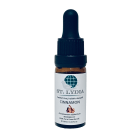

Cinnamon Natural Essential Oil (Cinnamomum zeylanicum / Cinnamomum verum) – Madagascar
Price range: €9.00 through €70.00
VAT Included. Shipping calculated at checkout.
Free nationwide delivery on orders over €60
Description
Cinnamon Natural Essential Oil
***Cinnamon Natural Essential Oil – History***
Cinnamon natural essential oil is steam distilled from the bark of the cinnamon tree commonly known as Ceylon cinnamon or true cinnamon, scientifically known as Cinnamomum zeylanicum / Cinnamomum verum. Cinnamon has one of the richest and most fascinating histories of all spices and aromatic plants, this prized spice and its essential oil have been treasured for thousands of years across cultures. Cinnamon natural essential oil has a history as rich and warm as its scent. For thousands of years, this treasured oil has been revered for its aromatic, therapeutic, and spiritual qualities across cultures and continents.
In biblical times, cinnamon symbolised: Purity and holiness – through its inclusion in sacred anointing oil. Wealth and abundance – often used in royal and temple settings. Healing and preservation – as part of ancient natural medicine and embalming practices. Its warm, aromatic fragrance was believed to uplift the spirit and create a space suitable for reverence and worship.
Specifically mentioned multiple times in Scripture as a highly valued spice: Exodus 30:23-25 (KJV), cinnamon was a key ingredient in the holy anointing oil used in the Tabernacle, symbolising consecration and divine presence. Proverbs 7:17, This passage highlights cinnamon’s use in perfumery, evoking luxury, intimacy, and allure. Revelation 18:13, cinnamon appears among the riches of a fallen empire, showing its esteemed value in trade and culture.
In ancient Egypt, cinnamon was considered more precious than gold. It was used in sacred rituals, temple offerings, and even in the embalming process due to its powerful preservative and antimicrobial properties. Meanwhile, in China, historical texts from as early as 2700 BC praised cinnamon for its ability to promote health and longevity.
In India, cinnamon has been a staple of Ayurvedic medicine for centuries—used to support digestion, circulation, and respiratory wellness. It’s long been believed to stimulate both body and mind. Cinnamon was once more valuable than gold and considered a luxury item reserved for royalty, nobility, and religious ceremonies. Arab traders controlled its distribution and spun captivating myths to protect its source.
By the time it reached Europe, it had become a symbol of wealth, power, and divine favour—used in everything from cuisine to love potions. During the Age of Exploration, European powers, particularly the Portuguese, Dutch, and British, fought for control over Ceylon (modern-day Sri Lanka), the native home of Cinnamomum zeylanicum. This demand influenced colonial expansion and trade routes across Asia and Europe, control over this precious spice became a powerful incentive for conquest and commerce.
***Cinnamon Natural Essential Oil – Benefits***
Today, Cinnamon natural essential oil continues to be cherished worldwide for its ability to warm the heart and uplift the soul. Whether used to uplift the spirit, enhance immunity, or simply add cozy comfort to your space, Cinnamon natural essential oil continues to be a timeless favourite connecting us to centuries of tradition with every drop. Renowned for its captivating aroma,
Cinnamon natural essential oil finds applications in aromatherapy, perfumery, and natural medicine. Its enduring value extends beyond its pleasant scent, as it possesses potent health benefits. The bold, rich scent of Cinnamon natural essential oil helps awaken the senses and boost energy levels. It’s a natural mood enhancer that may combat feelings of fatigue, stress, and emotional low points. Inhaling cinnamon natural essential oil may sharpen concentration and support clearer thinking, making it a great companion during work, study, or meditation.
Cinnamaldehyde, the compound that gives cinnamon its distinctive warm and spicy scent, is renowned for its antimicrobial, anti-inflammatory and immune boosting properties. Cinnamon natural essential oil is often used in diffusers during cold and flu season to alleviate cold, purify the air and support respiratory health. It also stimulates blood circulation and promotes a sense of warmth throughout the body when diluted and added to massage blends. It has antispasmodic effects, which may alleviate indigestion, bloating, and nausea.
Eugenol, a key compound in cinnamon essential oil, contributes to the clove-like aroma and also possesses analgesic effects, making it useful for managing pain, especially joint and muscle pain. Beyond its therapeutic uses, Cinnamon natural essential oil finds its way into various household products, such as DIY room sprays or cleaners, candles, potpourri, and air fresheners, infusing living spaces with a spicy and inviting aroma. Cinnamon oil adds spicy warmth to natural perfume blends.
✅ 100% Pure Natural Essential Oil
✅ Vegan-friendly and Cruelty-free
***Botanical Name*** Cinnamomum zeylanicum / Cinnamomum verum
***Family*** Lauraceae
***Origin*** Madagascar
***Plant Part*** Bark
***Extraction Method*** Steam Distillation
***Aroma*** It has a warm, spicy, sweet, and woody with a slightly musky undertone.
***Colour*** Golden Yellow / Brown
***Consistency*** Medium
***Note*** Middle
***Strength*** Strong
***Blends With*** Cinnamon natural essential oil harmonises well with a diverse range of essential oils, including Clove, Orange, Ginger, Frankincense, Nutmeg, Cardamom, Vanilla, and Cedarwood. These are merely a few examples of essential oils that complement Cinnamon natural essential oil. By experimenting with various combinations, you can create distinctive aromas that cater to your preferences and therapeutic objectives.
***Chemical Composition*** Cinnamon natural essential oil is composed of a wide variety of chemical compounds that contribute to its therapeutic properties. The exact composition can vary depending on factors like the geographic origin, the method of extraction. However, the primary chemical constituents of Cinnamon natural essential oil are as follows: (E)-Cinnamaldehyde, Eugenol, (E)-Cinnamyl Acetate, Coumarin, Linalool, β-Caryophyllene, and p-Cymene. While these are the primary constituents, the oil may also contain minor components in smaller quantities, which collectively contribute to its overall aroma and therapeutic properties.
***Storage Conditions*** Store cinnamon essential oil in a cool, dark location, shielded from direct sunlight, to prevent oxidation and degradation of its aromatic and therapeutic properties.
***Shelf Life*** 1 – 2 years
***Product Safety*** Free from potentially harmful substances like sulphates, parabens, phthalates, synthetic fragrances, formaldehydes, and mineral oil.
⚠️Caution⚠️ While cinnamon essential oil offers a range of therapeutic benefits, it is a highly concentrated and potent oil that should be used with care. Please review the following safety considerations before use:
- ***Skin Irritation*** Cinnamon oil is a “hot” oil and can cause skin irritation or sensitisation, especially in those with sensitive skin. It poses a higher risk of causing irritation and sensitisation when used in the bath, even if it is solubilised or diluted. Therefore, it is advisable to avoid using cinnamon oil in the bath. Always dilute properly in a carrier oil before topical application (recommended dilution: 0.5%–1%). Conduct a patch test before use to check for any allergic reactions or skin irritation. Avoid applying to broken or irritated skin. Avoid contact with eyes, inner ears, and sensitive areas.
- ***Pregnancy and Nursing*** Avoid use during pregnancy and breastfeeding, unless under the guidance of a qualified healthcare professional or aromatherapist. Cinnamon essential oil may stimulate uterine contractions and affect hormonal balance.
- ***Children and Pets*** Not recommended for use on or around infants, young children and pets, due to its intensity and potential for irritation.
- ***Internal Use*** While some sources suggest ingesting cinnamon essential oil for internal benefits, it should only be consumed under professional guidance. Essential oils are highly concentrated and may irritate the digestive system. Always use food-grade cinnamon oil from reputable sources and consult with a healthcare professional before internal use.
- ***Medical Conditions*** The strong aroma of cinnamon essential oil may trigger asthma symptoms or respiratory sensitivity in some individuals, especially if diffused in high concentrations. Due to its strong stimulating properties, cinnamon essential oil should be avoided by those with seizure disorders unless cleared by a healthcare provider. Cinnamon has natural blood sugar-lowering effects. If you’re diabetic or on blood sugar medications, consult your doctor before use to prevent interactions or hypoglycemia. Cinnamon essential oil may interact with blood-thinning medications. Avoid using it internally or topically in high concentrations without medical supervision. Always seek advice from a qualified aromatherapist or healthcare provider before using cinnamon essential oil if you have a medical condition, are taking prescription medications, or have known allergies.
- ***Allergies*** Some individuals may experience allergic reactions to cinnamon essential oil. Symptoms may include skin irritation, swelling, or respiratory issues. Individuals with cinnamon spice allergies or sensitivities to cinnamaldehyde or eugenol (its key compounds) should avoid using this oil entirely. Always discontinue use if you experience any signs of an allergic reaction.
***Note*** Although essential oils have a longstanding history of use and are valued for their potential benefits, individual experiences may vary.
Additional information
| Directions For Use | There are many ways to enjoy the benefits of essential oils. You can use one or more oils mixed together to make your own remedy. MASSAGE: This is recognised as the most effective way of using essential oils, particularly as it couples the soothing power of touch with the benefits of the oils. To make massage oil, dilute 2 drops of essential oils into 10ml (2 teaspoons) of Carrier Oil. AROMATIC: Diffusing essential oils into the air using a diffuser can act as a natural room freshener, promote relaxation, improve mood, and help with stress relief. INHALATION: This is a good way to relieve cold and congestion with essential oils. |
|---|---|
| Essential Oil Dilution Guide | Welcome to our essential oil dilution guide for topical and perfume use, where we'll explore the art and science of blending essential oils with carrier oils or alcohol for safe and effective application on the skin. Whether you're new to aromatherapy or seeking to enhance your knowledge, this guide will provide you with practical insights and guidelines for diluting essential oils to maximise their therapeutic benefits while minimising the risk of adverse reactions. From general dilution ratios for adults to considerations for children, sensitive individuals, and specific applications, we'll equip you with the knowledge and confidence to create customised blends tailored to your needs. Let's dive in and unlock the secrets of safe and effective topical use of essential oils! Here's a general guide for diluting essential oils for topical use:
Remember that these are general guidelines, and individual preferences and sensitivities may vary. It's always a good idea to start with a lower dilution and adjust as needed based on your personal experience and comfort level. If you have any concerns or specific health conditions, consult with a qualified aromatherapist or healthcare professional for personalised guidance. When creating perfumes with essential oils, you'll typically work with higher concentrations of essential oils compared to topical applications. Here's a general guide for diluting essential oils for perfumery:
Remember that creating perfumes is an art form, and there are no strict rules. Trust your senses and intuition as you explore different essential oil combinations and concentrations to create your signature scent. Keep detailed records of your formulations for future reference and refinement. |
| Packaging | 10ml and 30ml essential oils are packaged in amber glass dropper bottles with pipette for easy application. Larger sizes are packaged in amber screw cap bottles and do not come with droppers. |
Related products
-
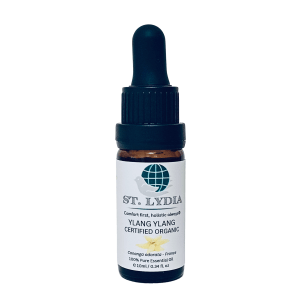
Ylang Ylang Organic Essential Oil (Cananga odorata ) – France
Price range: €13.00 through €90.00Ylang Ylang Organic Essential Oil (Cananga odorata ) – France
💰 VAT Included. 📦 Shipping calculated at checkout.
📦 🚚 Free nationwide delivery on orders over €60
Price range: €13.00 through €90.00 -
Neroli Organic Essential Oil (Citrus aurantium) – Morocco
Price range: €32.00 through €200.00Neroli Organic Essential Oil (Citrus aurantium) – Morocco
💰 VAT Included. 📦 Shipping calculated at checkout.
📦 🚚 Free nationwide delivery on orders over €60
Price range: €32.00 through €200.00 -
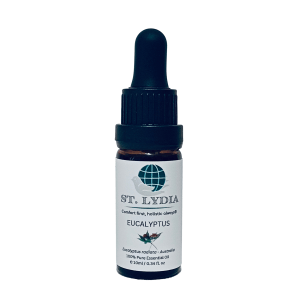
Eucalyptus radiata Natural Essential Oil (Eucalyptus radiata) – Australia
Price range: €7.00 through €54.00Eucalyptus radiata Natural Essential Oil (Eucalyptus radiata) – Australia
💰 VAT Included. 📦 Shipping calculated at checkout.
📦 🚚 Free nationwide delivery on orders over €60
Price range: €7.00 through €54.00 -
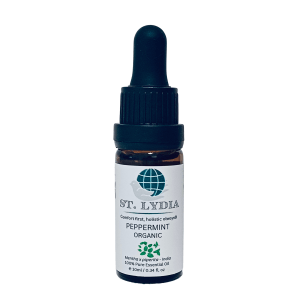
Peppermint Organic Essential Oil (Mentha x piperita) – India
Price range: €7.00 through €49.00Peppermint Organic Essential Oil (Mentha x piperita) – India
💰 VAT Included. 📦 Shipping calculated at checkout.
📦 🚚 Free nationwide delivery on orders over €60
Price range: €7.00 through €49.00

There are no reviews yet.