


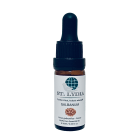
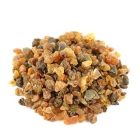
Galbanum Natural Essential Oil (Ferula galbaniflua) – France
Price range: €25.00 through €180.00
💰 VAT Included. 📦 Shipping calculated at checkout.
📦 🚚 Free nationwide delivery on orders over €60
Description
Galbanum Natural Essential Oil
***Galbanum Natural Essential Oil – History***
Galbanum natural essential oil is steam distilled from the resin of the Galbanum plant, scientifically known as Ferula galbaniflua, a perennial herb native to regions such as Iran, Afghanistan, and parts of the Mediterranean. Galbanum essential oil is a lesser known essential oil, but it has a rich and fascinating history as a sacred substance and is prized for its spiritual, medicinal, and aromatic qualities. While galbanum essential oil is traditionally associated with regions like Iran, its cultivation and production in other regions can also yield high-quality oil with similar properties and benefits.
In the Book of Exodus, galbanum is listed as one of the ingredients in the holy incense burned in the Tabernacle (Exodus 30:34). Its inclusion emphasises its spiritual importance. The ancient Egyptians used it for its medicinal and cosmetic properties. In classical Greece, Hippocrates and other Roman physicians documented galbanum for its medicinal properties, using it to treat inflammation, respiratory conditions, and digestive issues. It was often used in plasters and poultices.
***Galbanum Natural Essential Oil – Benefits***
Galbanum natural essential oil, renowned for its spiritual awakening and purification properties, elevates consciousness and facilitates deeper meditation or prayer. Widely used for emotional healing, especially during grief, trauma, or anxiety, it brings a sense of inner calm and clarity. Valued for its anti-inflammatory, antispasmodic, and cicatrisant (wound-healing) properties. Galbanum natural essential oil acts as an expectorant, aiding in congestion clearance, especially in the sinuses and chest. It can be blended with oils like eucalyptus or frankincense for cold and flu support. Due to its antispasmodic properties, this oil is thought to relieve muscle and digestive system spasms.
In natural skincare products, galbanum oil is used to rejuvenate aging skin, detoxify dull skin, treat wrinkles, and promote healing due to its regenerative properties. Its antimicrobial and anti-inflammatory properties make it beneficial for joint pain and muscle soreness. Its cicatrisant properties facilitate the healing of scars, wounds, and acne. Diluted topical blends can be used for eczema, stretch marks, or inflammatory skin conditions. High-end perfumers incorporate galbanum oil to add a sharp green note, often described as fresh-cut grass or crushed green leaves, to perfumes, particularly in chypre and green floral compositions.
✅ 100% Pure Natural Essential Oil
✅ Vegan-friendly and Cruelty-free
***Botanical Name*** Ferula galbaniflua
***Family*** Apiaceae (Umbelliferae)
***Origin*** France
***Plant Part*** Resin
***Extraction Method*** Steam Distillation
***Aroma*** It has a fresh, green, earthy, balsamic, woody and spicy aroma.
***Colour*** Clear – Pale Yellow
***Consistency*** Thin
***Note*** Top
***Strength*** Medium
***Blends With*** Galbanum natural essential oil harmonises well with a diverse range of essential oils, including Ginger, Lavender, Geranium, Fir, Rose, and Lemon. These are merely a few examples of essential oils that complement galbanum essential oil. By experimenting with various combinations, you can create distinctive aromas that cater to your preferences and therapeutic objectives.
***Chemical Composition*** Galbanum natural essential oil is composed of a wide variety of chemical compounds that contribute to its therapeutic properties. The exact composition can vary depending on factors like the geographic origin and the method of extraction. However, the primary chemical constituents of galbanum natural essential oil are as follows: β-Pinene, α-Pinene, Sabinene, Limonene, Myrcene, and β-Phellandrene. While these are the primary constituents, the oil may also contain minor components in smaller quantities, which collectively contribute to its overall aroma and therapeutic properties.
***Storage Conditions*** Store galbanum natural essential oil in a cool, dark location, shielded from direct sunlight, to prevent oxidation and degradation of its aromatic and therapeutic properties.
***Shelf Life*** 1 – 2 years
***Product Safety*** Free from potentially harmful substances like sulphates, parabens, phthalates, synthetic fragrances, formaldehydes, and mineral oil.
⚠️Caution⚠️ While galbanum natural essential oil is generally safe for use, there are some precautions to keep in mind, please review the following safety considerations before use:
- ***Skin Irritation*** Galbanum natural essential oil may cause irritation or sensitisation in some individuals, especially if used undiluted. Always dilute it in a carrier oil (such as jojoba, almond, or coconut oil) before applying topically. Conduct a patch test before use to check for any allergic reactions or skin irritation. Avoid applying to broken or irritated skin. Avoid contact with eyes, inner ears, and sensitive areas.
- ***Pregnancy and Nursing*** It is generally advised to avoid using galbanum natural essential oil during pregnancy or while breastfeeding due to its potent properties.
- ***Children and Pets*** Keep galbanum natural essential oil and other essential oils out of reach of children and pets, and use them with caution around them.
- ***Internal Use*** Galbanum natural essential oil is not recommended for internal use, as it can be toxic when ingested.
- ***Medical Conditions*** Individuals with underlying medical conditions or those taking medications should consult with a healthcare professional before using galbanum natural essential oil, especially if using it in large quantities or for an extended period. Galbanum essential oil may interact with certain medications or exacerbate certain health conditions.
- ***Allergies*** Some individuals may experience allergic reactions to galbanum natural essential oil. Symptoms may include skin irritation, swelling, or respiratory issues. Always discontinue use if you experience any signs of an allergic reaction and seek medical attention if necessary.
***Note*** Although essential oils have a longstanding history of use and are valued for their potential benefits, individual experiences may vary.
Additional information
| Directions For Use | There are many ways to enjoy the benefits of essential oils. You can use one or more oils mixed together to make your own remedy. MASSAGE: This is recognised as the most effective way of using essential oils, particularly as it couples the soothing power of touch with the benefits of the oils. To make massage oil, dilute 4 drops of essential oils into 10ml (2 teaspoons) of Carrier Oil. AROMATIC: Diffusing essential oils into the air using a diffuser can act as a natural room freshener, promote relaxation, improve mood, and help with stress relief. BATHING: Essential oils can be used in bath but only after emulsifying. So, if you want to use naturally extracted essential oil in bath, emulsify it prior to use. And for emulsifying, it is suggested to use a solubiliser such as Solubol (Dispersant) and follow the usage guidelines provided by your vendor. Add this blend to your running bath water and mix very well before getting into the tub. When essential oils are added in bath tub without emulsifying, they won't disperse but float on the water and directly react with the skin. INHALATION: This is a good way to relieve cold and congestion with essential oils. |
|---|---|
| Essential Oil Dilution Guide | Welcome to our essential oil dilution guide for topical and perfume use, where we'll explore the art and science of blending essential oils with carrier oils or alcohol for safe and effective application on the skin. Whether you're new to aromatherapy or seeking to enhance your knowledge, this guide will provide you with practical insights and guidelines for diluting essential oils to maximise their therapeutic benefits while minimising the risk of adverse reactions. From general dilution ratios for adults to considerations for children, sensitive individuals, and specific applications, we'll equip you with the knowledge and confidence to create customised blends tailored to your needs. Let's dive in and unlock the secrets of safe and effective topical use of essential oils! Here's a general guide for diluting essential oils for topical use:
Remember that these are general guidelines, and individual preferences and sensitivities may vary. It's always a good idea to start with a lower dilution and adjust as needed based on your personal experience and comfort level. If you have any concerns or specific health conditions, consult with a qualified aromatherapist or healthcare professional for personalised guidance. When creating perfumes with essential oils, you'll typically work with higher concentrations of essential oils compared to topical applications. Here's a general guide for diluting essential oils for perfumery:
Remember that creating perfumes is an art form, and there are no strict rules. Trust your senses and intuition as you explore different essential oil combinations and concentrations to create your signature scent. Keep detailed records of your formulations for future reference and refinement. |
| Packaging | 10ml and 30ml essential oils are packaged in amber glass dropper bottles with pipette for easy application. Larger sizes are packaged in amber screw cap bottles and do not come with droppers. |
Related products
-
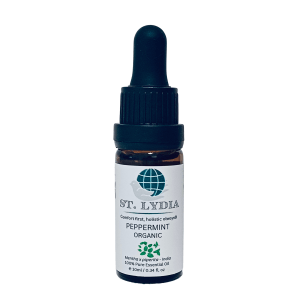
Peppermint Organic Essential Oil (Mentha x piperita) – India
Price range: €7.00 through €49.00Peppermint Organic Essential Oil (Mentha x piperita) – India
💰 VAT Included. 📦 Shipping calculated at checkout.
📦 🚚 Free nationwide delivery on orders over €60
Price range: €7.00 through €49.00 -
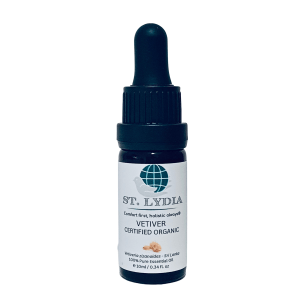
Vetiver Organic Essential Oil (Vetiveria zizanioides / Chrysopogon zizanioides) – Sri Lanka
Price range: €25.00 through €180.00Vetiver Organic Essential Oil (Vetiveria zizanioides / Chrysopogon zizanioides) – Sri Lanka
💰 VAT Included. 📦 Shipping calculated at checkout.
📦 🚚 Free nationwide delivery on orders over €60
Price range: €25.00 through €180.00 -
Jasmine Absolute (Jasmine grandiflorum) – India
Price range: €45.00 through €300.00Jasmine Absolute (Jasmine grandiflorum) – India
💰 VAT Included. 📦 Shipping calculated at checkout.
📦 🚚 Free nationwide delivery on orders over €60
Price range: €45.00 through €300.00 -
May Chang Natural Essential Oil (Litsea cubeba) – China
Price range: €7.00 through €54.00May Chang Natural Essential Oil (Litsea cubeba) – China
💰 VAT Included. 📦 Shipping calculated at checkout.
📦 🚚 Free nationwide delivery on orders over €60
Price range: €7.00 through €54.00
There are no reviews yet.