
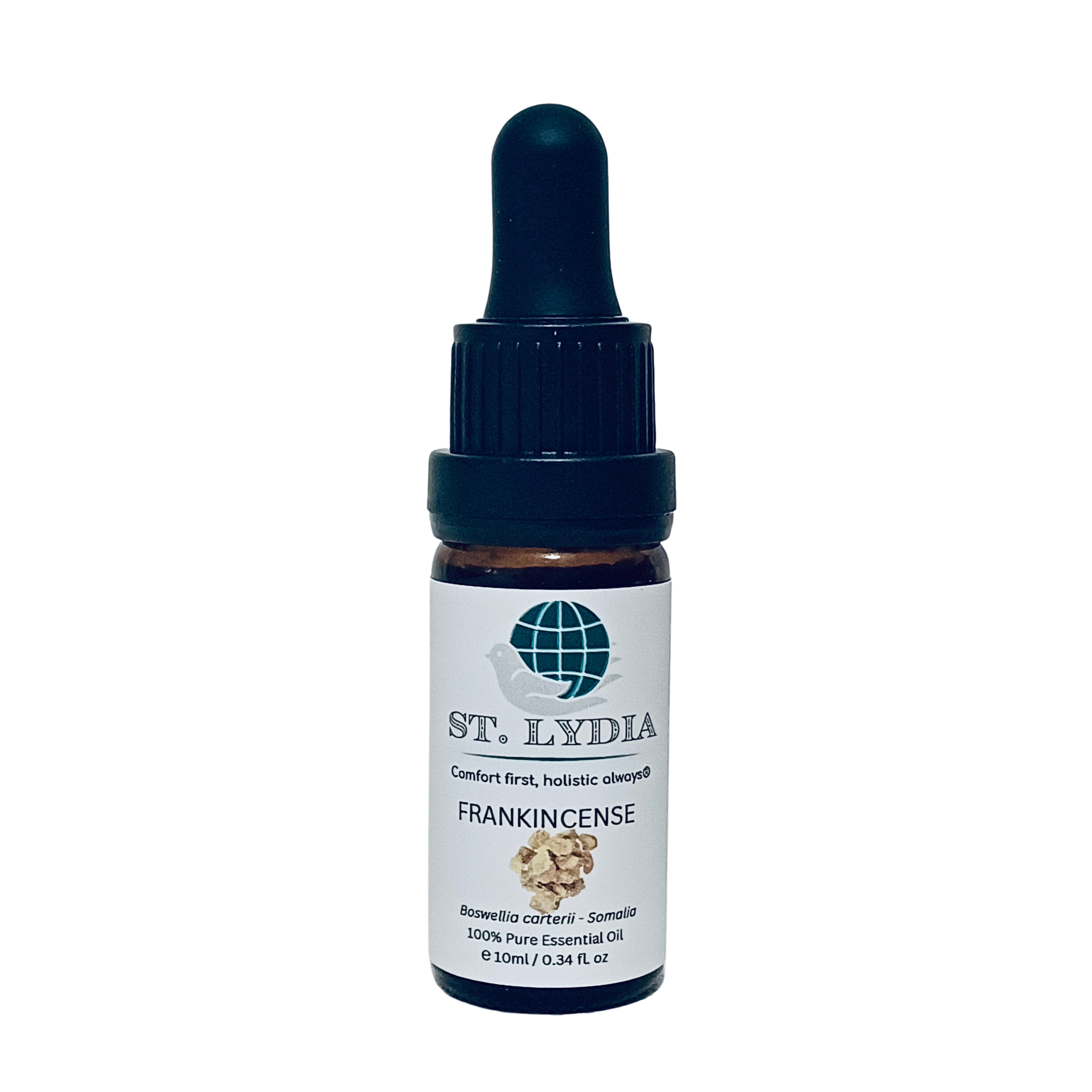

Frankincense Natural Essential Oil (Boswellia carterii) – Somalia
Price range: €18.00 through €140.00
💰 VAT Included. 📦 Shipping calculated at checkout.
📦 🚚 Free nationwide delivery on orders over €60
Description
Frankincense Natural Essential Oil
***Frankincense Natural Essential Oil – History***
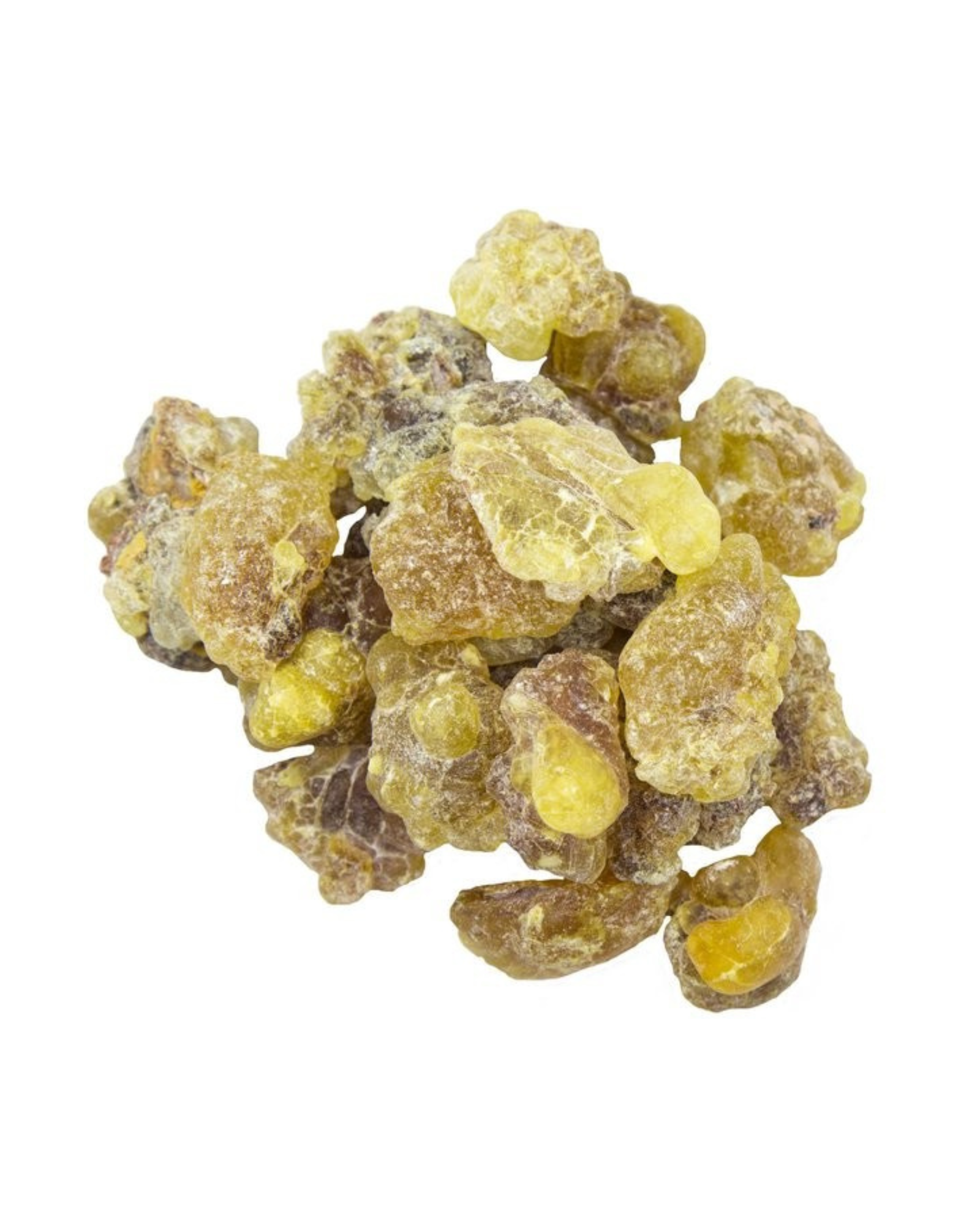
Frankincense natural essential oil, extracted from the resin of the Frankincense or Olibanum tree, scientifically known as Boswellia carterii, is native to North Eastern Africa, particularly Somalia. Growing in arid environments, the tree produces resin by making small cuts in its bark. As the resin oozes out and hardens, it’s collected for essential oil production. Renowned for its spiritual, medicinal, and aromatic properties, frankincense held immense value in ancient civilisations. Notably, it played a crucial role in religious ceremonies and medicinal preparations in ancient Egypt, Mesopotamia, and Greece. The resin formed an integral part of ancient trade routes, particularly the “Incense Route” connecting Southern Arabia, the Mediterranean, and India.
Frankincense has held immense reverence for centuries within early Christian communities. It was employed as incense within temples and utilised for air purification purposes. Notably, it is mentioned in the Bible, specifically in Exodus 30:34-38, where God instructs Moses to combine specific aromatic spices, including frankincense, to create the sacred incense for use in the Tabernacle. In Leviticus 2:1-16, frankincense is recognised as one of the ingredients incorporated into grain offerings presented to the Lord. In Matthew 2:11, the narrative of the visitation of the Magi (Wise Men) to the infant Jesus recounts their presentation of gifts of gold, frankincense, and myrrh.
In Revelation 5:8; 8:3-4, frankincense is depicted as an integral component of the heavenly worship scenes, where it is burned as incense before the throne of God, symbolising the supplications of the saints. Throughout these and other biblical passages, frankincense is portrayed as a valuable and sacred substance employed in worship, offerings, and spiritual practices. Its aromatic properties and symbolic significance reinforce its association with reverence, holiness, and divine presence. Presently, it continues to be widely utilised in churches and temples globally due to its profound spiritual significance, which has earned it the nickname “Liquid gold” and the title of “King of all essential oils.”
There are different types of frankincense derived from different species of the Olibanum tree. Frankincense (Boswellia carterii), is the most studied, one of the most popular and widely used species. Other related species include Boswellia serrata, Boswellia sacra, Boswellia frereana, and Boswellia papyrifera. It’s worth noting that there’s some debate in the scientific community about the distinction between Boswellia sacra and Boswellia carterii, with some researchers considering them the same species growing in different habitat.
The major constituents of frankincense (Boswellia carterii) essential oil are responsible for its therapeutic properties, such as anti-inflammatory, antimicrobial, and calming effects. Its multifaceted benefits extend to both emotional well-being and physical health, particularly in respiratory support, skincare routines, and meditation practices. Frankincense (Boswellia carterii) is more readily available compared to its rarer counterparts, rendering it the most accessible and economical option for consumers. Its balanced aroma, efficacy in a diverse range of therapeutic applications, and broad availability have solidified its position as the go-to choice for many essential oil enthusiasts, aromatherapists, and holistic practitioners.
***Frankincense Natural Essential Oil – Benefits***
Frankincense natural essential oil, widely recognised and utilised in aromatherapy, is renowned for its grounding, calming, and uplifting effects on the mind and spirit. Its sweet, warm, and slightly citrusy aroma makes it an ideal choice for meditation and spiritual practices. It is believed to enhance spiritual awareness and promote a profound sense of peace and inner tranquility. Some research indicates that the aroma of frankincense natural essential oil may possess cognitive-enhancing properties, potentially improving memory and focus. Inhaling this essential oil can be beneficial for respiratory conditions such as asthma, bronchitis, or congestion.
Frankincense natural essential oil, renowned for its anti-inflammatory properties, is believed to alleviate pain and discomfort associated with conditions such as arthritis, muscle aches, and headaches. It is sometimes applied topically to the skin, potentially benefiting conditions like acne, wrinkles, scars, and signs of aging due to its astringent, anti-inflammatory, and rejuvenating properties. However, it is crucial to use it with a carrier oil and conduct a patch test, as it may cause irritation in some individuals. Some studies suggest that frankincense natural essential oil possesses immune-boosting properties, potentially aiding the body in fighting off infections. It may facilitate wound healing when applied topically due to its anti-inflammatory and antiseptic properties.
✅ 100% Pure Natural Essential Oil
✅ Vegan-friendly and Cruelty-free
***Botanical Name*** Boswellia carterii
***Family*** Burseraceae
***Origin*** Somalia
***Plant Part*** Resin
***Extraction Method*** Steam Distillation
***Aroma*** It has a sweet, warm, woody, and slightly citrusy aroma.
***Colour*** Pale Yellow
***Consistency*** Thin
***Note*** Base
***Strength*** Medium
***Blends With*** Frankincense natural essential oil harmonises well with a diverse range of essential oils, including Bergamot, Myrrh, Lavender, Geranium, Neroli, Pine, Lemon, Peppermint, and Sandalwood. These are merely a few examples of essential oils that complement frankincense natural essential oil. The versatility of this oil means it can be blended with many other essential oils to create personalised aromatherapy blends for various purposes. Experimenting with different combinations can help you find the perfect blend for your needs and preferences.
***Chemical Composition*** Frankincense natural essential oil is composed of a wide variety of chemical compounds that contribute to its therapeutic properties. The exact composition can vary depending on factors like the geographic origin, the method of extraction, and the quality of the resin. However, the primary chemical constituents of frankincense natural essential oil are as follows: (+)-Limonene, β-caryophyllene, α-thujene, Sabinene, p-Cymene, Linalool, Terpinen-4-ol, β-Pinene, α-Pinene, Incensole acetate, and α-Phellandrene. While these are the primary constituents, the oil may also contain minor components in smaller quantities, which collectively contribute to its overall aroma and therapeutic properties.
***Storage Conditions*** Store frankincense natural essential oil in a cool, dark location, shielded from direct sunlight, to prevent oxidation and degradation of its aromatic and therapeutic properties.
***Shelf Life*** 1 – 2 years
***Product Safety*** Free from potentially harmful substances like sulphates, parabens, phthalates, synthetic fragrances, formaldehydes, and mineral oil.
⚠️Caution⚠️ While frankincense natural essential oil offers many benefits, it should be used with care to avoid potential side effects.
- ***Skin Irritation*** Essential oils are highly concentrated and can cause skin irritation or allergic reactions in some individuals. Frankincense natural essential oil should be diluted with a carrier oil (such as jojoba or coconut oil) before applying to the skin to prevent irritation or allergic reactions. Perform a patch test on a small area of skin before widespread use. Avoid contact with eyes, inner ears, and sensitive areas.
- ***Pregnancy and Nursing*** Pregnant or breastfeeding women should consult with a healthcare professional before using frankincense natural essential oil, as there is limited research on its safety during these periods.
- ***Children and Pets*** Generally considered safe for children over 2 when properly diluted. Always use a lower dilution (0.5–1%) for young children. Avoid direct application or diffusion around pets, as some essential oils can be toxic to pets.
- ***Internal Use*** Not recommended for ingestion unless under the guidance of a qualified aromatherapist or healthcare professional. Frankincense natural essential oil can cause digestive discomfort or irritation if taken internally.
- ***Medical Conditions*** Individuals with underlying health conditions should consult with a healthcare professional before using frankincense natural essential oil. Frankincense essential oil can occasionally irritate sensitive respiratory systems, individuals with respiratory conditions, such as asthma, should use caution when inhaling this essential oil. Frankincense essential oil may have blood-thinning properties, so it could potentially interact with anticoagulant medications. Consult your doctor if you are on such med, or if you are taking any other prescription medications.
- ***Allergies*** Individuals with known allergies to frankincense or other members of the Burseraceae family should avoid using frankincense natural essential oil to prevent allergic reactions. Symptoms may include skin irritation, swelling, or respiratory issues. Always discontinue use if you experience any signs of an allergic reaction.
***Note*** Although essential oils have a longstanding history of use and are valued for their potential benefits, individual experiences may vary.
Additional information
| Directions For Use | There are many ways to enjoy the benefits of essential oils. You can use one or more oils mixed together to make your own remedy. MASSAGE: This is recognised as the most effective way of using essential oils, particularly as it couples the soothing power of touch with the benefits of the oils. To make massage oil, dilute 4 drops of essential oils into 10ml (2 teaspoons) of Carrier Oil. AROMATIC: Diffusing essential oils into the air using a diffuser can act as a natural room freshener, promote relaxation, improve mood, and help with stress relief. BATHING: Essential oils can be used in bath but only after emulsifying. So, if you want to use naturally extracted essential oil in bath, emulsify it prior to use. And for emulsifying, it is suggested to use a solubiliser such as Solubol (Dispersant) and follow the usage guidelines provided by your vendor. Add this blend to your running bath water and mix very well before getting into the tub. When essential oils are added in bath tub without emulsifying, they won't disperse but float on the water and directly react with the skin. INHALATION: This is a good way to relieve cold and congestion with essential oils. |
|---|---|
| Essential Oil Dilution Guide | Welcome to our essential oil dilution guide for topical and perfume use, where we'll explore the art and science of blending essential oils with carrier oils or alcohol for safe and effective application on the skin. Whether you're new to aromatherapy or seeking to enhance your knowledge, this guide will provide you with practical insights and guidelines for diluting essential oils to maximise their therapeutic benefits while minimising the risk of adverse reactions. From general dilution ratios for adults to considerations for children, sensitive individuals, and specific applications, we'll equip you with the knowledge and confidence to create customised blends tailored to your needs. Let's dive in and unlock the secrets of safe and effective topical use of essential oils! Here's a general guide for diluting essential oils for topical use:
Remember that these are general guidelines, and individual preferences and sensitivities may vary. It's always a good idea to start with a lower dilution and adjust as needed based on your personal experience and comfort level. If you have any concerns or specific health conditions, consult with a qualified aromatherapist or healthcare professional for personalised guidance. When creating perfumes with essential oils, you'll typically work with higher concentrations of essential oils compared to topical applications. Here's a general guide for diluting essential oils for perfumery:
Remember that creating perfumes is an art form, and there are no strict rules. Trust your senses and intuition as you explore different essential oil combinations and concentrations to create your signature scent. Keep detailed records of your formulations for future reference and refinement. |
| Packaging | 10ml and 30ml essential oils are packaged in amber glass dropper bottles with pipette for easy application. Larger sizes are packaged in amber screw cap bottles and do not come with droppers. |
Related products
-
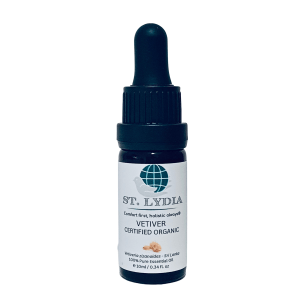
Vetiver Organic Essential Oil (Vetiveria zizanioides / Chrysopogon zizanioides) – Sri Lanka
Price range: €25.00 through €180.00Vetiver Organic Essential Oil (Vetiveria zizanioides / Chrysopogon zizanioides) – Sri Lanka
💰 VAT Included. 📦 Shipping calculated at checkout.
📦 🚚 Free nationwide delivery on orders over €60
Price range: €25.00 through €180.00 -
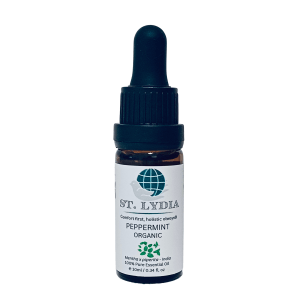
Peppermint Organic Essential Oil (Mentha x piperita) – India
Price range: €7.00 through €49.00Peppermint Organic Essential Oil (Mentha x piperita) – India
💰 VAT Included. 📦 Shipping calculated at checkout.
📦 🚚 Free nationwide delivery on orders over €60
Price range: €7.00 through €49.00 -
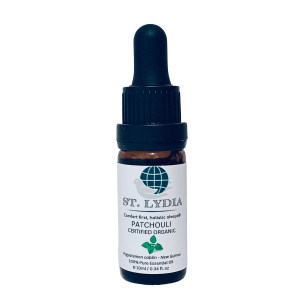
Patchouli Organic Essential Oil (Pogostemon cablin) – New Guinea
Price range: €12.00 through €70.00Patchouli Organic Essential Oil (Pogostemon cablin) – New Guinea
💰 VAT Included. 📦 Shipping calculated at checkout.
📦 🚚 Free nationwide delivery on orders over €60
Price range: €12.00 through €70.00 -
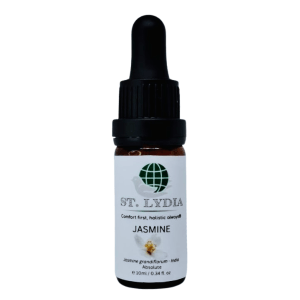
Jasmine Absolute (Jasmine grandiflorum) – India
Price range: €45.00 through €300.00Jasmine Absolute (Jasmine grandiflorum) – India
💰 VAT Included. 📦 Shipping calculated at checkout.
📦 🚚 Free nationwide delivery on orders over €60
Price range: €45.00 through €300.00
There are no reviews yet.