
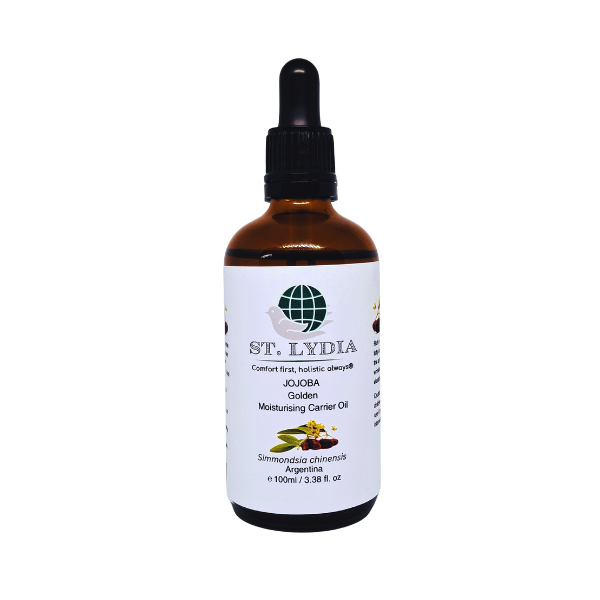

Jojoba Golden Oil (Simmondsia chinensis) – Argentina
€8.00
💰 VAT Included. 📦 Shipping calculated at checkout.
📦 🚚 Free nationwide delivery on orders over €60
Description
Jojoba Golden Oil
***Jojoba Golden Oil – History***
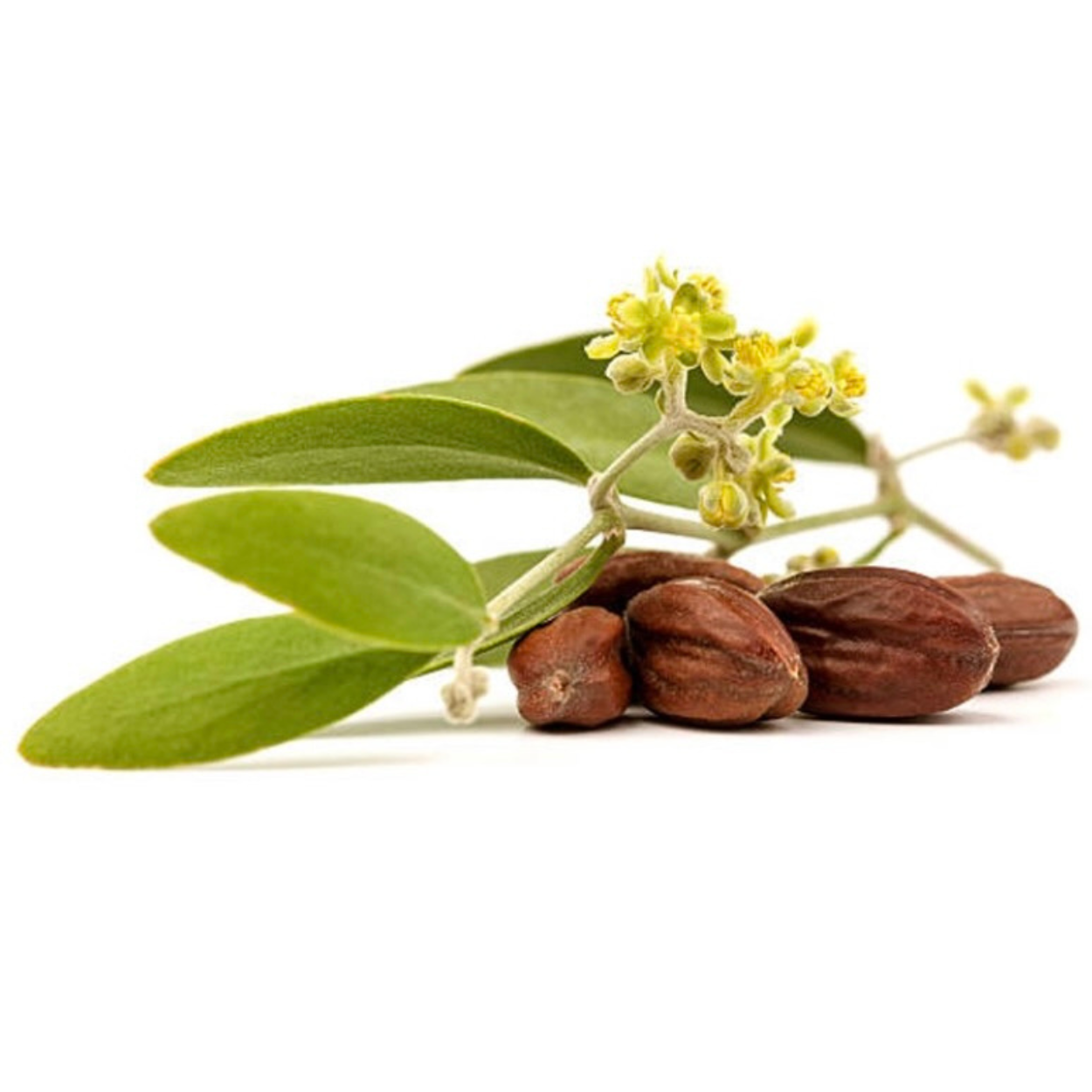
Jojoba golden oil is extracted from the seeds of the jojoba plant, scientifically known as Simmondsia chinensis, a shrub native to the deserts of North America, particularly in Arizona, California, and northwestern Mexico. Despite its name, it’s not an oil but a liquid wax ester, which is part of what makes it so unique and valuable in skin and hair care. The jojoba plant, Simmondsia chinensis, has a history rooted in Native American uses and scientific classification. Initially, native Americans, the O’odham people, in the Sonoran desert used the plant’s oil and seeds for various purposes, including medicinal treatments and food substitutes.
The common name “Jojoba” originated from the O’odham name “Hohowi” a Native American word for “bean” or “nut”. Despite its scientific name Simmondsia chinensis, the plant is not native to China. In 1822, the plant was scientifically described and classified by Heinrich Friedrich Link, a German Naturalist ad botanist. He initially described the plant as Buxus chinensis, after misreading a collection label “Calif”, referring to California, as “China”.
Jojoba was collected again in 1836 by Thomas Nuttall, an English botanist and zoologist who described it as a new genus and species in 1844, naming it Simmondsia californica, but priority rules require that the original specific epithet be used.
In the 18th century, Jesuit missionaries in the 18th century documented Native American use of jojoba, noting its use for medicinal and cosmetic purposes. Archibald Menzies, a botanist with the Vancouver Expedition, introduced jojoba to Europe, where it was later cultivated and studied. Jojoba oil’s similarity to sperm whale oil, coupled with the decline of sperm whale populations and the eventual ban on sperm whale oil, led to the increased commercialisation of jojoba oil.
***Jojoba Golden Oil – Benefits***
Jojoba golden oil gained prominence in the cosmetics industry due to its compatibility with human sebum and moisture-retaining properties. Jojoba golden oil is non-comedogenic, meaning it does not clog pores while simultaneously dissolving excess sebum. Its absorbent properties make it suitable for all skin types, particularly oily or acne-prone skin. This oil gently dissolves makeup while nourishing the skin, unlike commercial removers that may strip away natural oils.
Rich in vitamin E, antioxidants, and fatty acids, jojoba golden oil contributes to reducing the appearance of fine lines and wrinkles, promoting collagen synthesis, and enhancing skin elasticity. It also alleviates eczema, rosacea, sunburn, and dry, flaky skin due to its anti-inflammatory and antimicrobial properties. Its antibacterial nature aids in combating acne-causing bacteria. It is particularly beneficial for hydrating dry lips, softening cuticles, and even healing cracked heels.
As a neutral and unscented base, jojoba golden oil is ideal for diluting essential oils. It enhances absorption without overpowering the essential oil’s aroma or effects. The oil glides smoothly on the skin without leaving a greasy residue and remains stable during massage, preventing oxidation and ensuring a long shelf life. Jojoba golden oil is commonly incorporated into custom face or body oils, bath blends, and aromatherapy rollers. It facilitates the delivery of active botanical compounds into the skin. This carrier oil can be combined with essential oils like rosemary or peppermint, for scalp massages to stimulate hair growth and improve scalp health.
✅ 100% Pure Carrier Oil – ℮ 100ml / 3.38 fl. oz
✅ Vegan-friendly and Cruelty-free
***Botanical Name*** Simmondsia chinensis
***Family*** Simmondsiaceae
***Origin*** Argentina
***Plant Part*** Seeds (Nuts)
***Extraction Method*** Cold Pressed
***Aroma*** It has a mild, nutty, slightly earthy aroma
***Colour*** Golden yellow
***Consistency*** Light – Medium
***Absorption*** Silky, non-greasy, and fast-absorbing.
***Composition Highlights*** Jojoba golden oil contains Eicosenoic acid (C20:1) Wax ester (monounsaturated fatty acid + alcohol), Erucic acid, Palmitic acid, Vitamin E, Oleic acid, Gadoleic acid Squalene, Polyphenols (like oleuropein), and Sterols. While these are the primary constituents, the oil may also contain minor components in smaller quantities, with major impacts.
***Storage Conditions*** Store jojoba golden oil in a cool, dark place away from direct sunlight to prevent oxidation.
***Shelf Life*** 1 – 2 years
⚠️Caution⚠️ While jojoba golden oil is generally safe and well-tolerated, there are a few important cautions and considerations to keep in mind, especially for people with sensitivities or using it for the first time.
- ***Skin Irritation*** Jojoba golden oil is considered safe for most people, but it may cause skin irritation or allergic reactions in some individuals, especially those with sensitive skin. It is best to patch test on a small area (e.g., on the inner arm) before applying to the face or body. While jojoba golden oil is non-comedogenic, overuse may still lead to temporary clogged pores in very oily or acne-prone skin, especially if layered heavily or mixed with heavy creams. It’s safe on most dry or irritated areas, but skip open wounds or raw skin unless guided by a dermatologist. Avoid contact with eyes, inner ears, and sensitive areas.
- ***Pregnancy and Nursing*** Jojoba golden oil is generally considered safe for pregnant and breastfeeding women, especially when used topically, in moderation, and with careful consideration of potential sensitivities. If blending with essential oils, always research each oil’s safety. If you’re ever unsure, run it by your healthcare provider — especially if you’re using carrier oils on larger skin areas or planning to use them regularly.
- ***Children*** While often used in baby massage, it may affect the skin barrier function in very young infants. Use with care and consult a paediatrician for infants under 6 months. Keep out of reach of children and pets to prevent accidental ingestion or contact.
- ***Internal Use*** Jojoba golden oil is not edible—it contains a compound called erucic acid, which can be toxic if consumed in large amounts. Even though some traditional groups used it in small ceremonial doses, modern use is strictly topical only.
- ***Medical Conditions*** While carrier oils are generally safe, some can potentially exacerbate certain medical conditions or interact with medications, especially when used in large amounts, internally, or on compromised skin. Carrier oils are unlikely to directly affect blood sugar, but internal use (e.g., in capsules) of certain oils could theoretically interact with diabetes medications or influence insulin sensitivity. If you’re using oils over large skin areas regularly, your liver and kidneys are involved in processing any compounds absorbed. People with impaired function might need to be cautious.
- ***Allergies*** Those with nut allergies should consult their medical practitioner before coming into contact with nut oils, butters or other nut products. Though rare, some people may experience redness, itching or rash. Always do a patch test (e.g., on the inner arm) before using it on larger areas or the face. Always discontinue use if you experience any signs of an allergic reaction.
***Note*** Although carrier oils have a longstanding history of use and are valued for their potential benefits, individual experiences may vary.
Additional information
| Directions For Use | There are many ways to enjoy the benefits of carrier oils. You can use one or more oils mixed together to make your own remedy. Topical Use (Skin & Hair) Massage Oil
Facial Use Hair & Scalp
|
|---|---|
| Carrier Oil Dilution Guide (for Essential Oils) | ***Essential oils should never be applied directly to the skin without dilution. Carrier oils make them safe to use*** When mixing essential oils with a carrier oil, the percentage of dilution depends on who you're using it for and the purpose. Here's a simple breakdown: * 0.25% to 0.5% dilution: Ideal for infants under 2 years old. Use 1 to 2 drops of essential oil per tablespoon (15 mL) of carrier oil. ***Note*** One tablespoon equals about 15 mL, and 1 mL equals about 20 drops (depending on the dropper), so this helps when scaling recipes. |
Related products
-
Lime Organic Essential Oil (Citrus aurantifolia) – Italy
Price range: €7.00 through €49.00Lime Organic Essential Oil (Citrus aurantifolia) – Italy
💰 VAT Included. 📦 Shipping calculated at checkout.
📦 🚚 Free nationwide delivery on orders over €60
Price range: €7.00 through €49.00 -
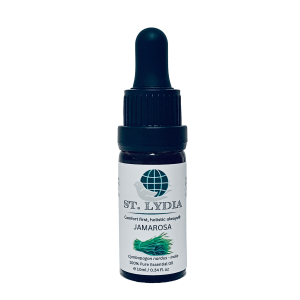
Jamarosa Natural Essential Oil (Cymbopogon nardus x Cymbopogon jwarancusa) – India
Price range: €11.00 through €65.00Jamarosa Natural Essential Oil (Cymbopogon nardus x Cymbopogon jwarancusa) – India
💰 VAT Included. 📦 Shipping calculated at checkout.
📦 🚚 Free nationwide delivery on orders over €60
Price range: €11.00 through €65.00 -
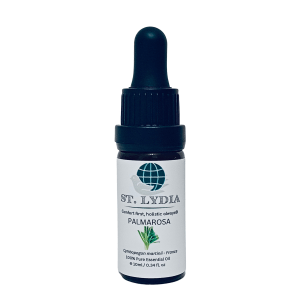
Palmarosa Natural Essential Oil (Cymbopogon martinii) – France
Price range: €10.00 through €77.00Palmarosa Natural Essential Oil (Cymbopogon martinii) – France
💰 VAT Included. 📦 Shipping calculated at checkout.
📦 🚚 Free nationwide delivery on orders over €60
Price range: €10.00 through €77.00 -
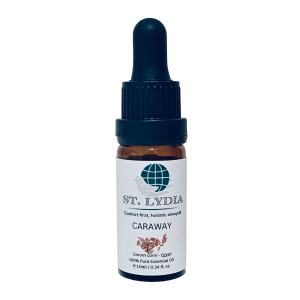
Caraway Natural Essential Oil (Carum carvi) – Egypt
Price range: €8.00 through €64.00Caraway Natural Essential Oil (Carum carvi) – Egypt
💰 VAT Included. 📦 Shipping calculated at checkout.
📦 🚚 Free nationwide delivery on orders over €60
Price range: €8.00 through €64.00

There are no reviews yet.