

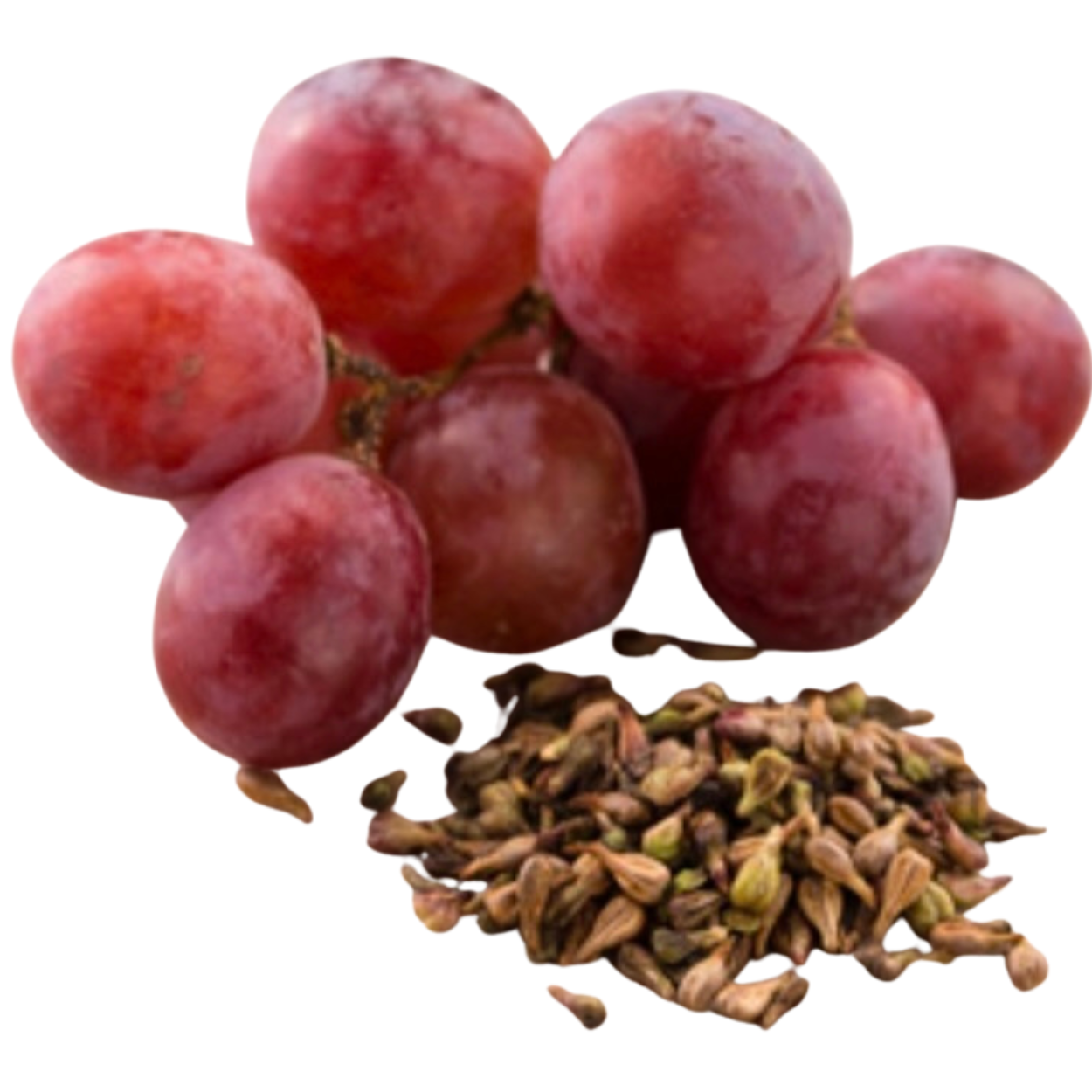

Grape Seed Oil (Vitis vinifera) – Chile
€6.00
💰 VAT Included. 📦 Shipping calculated at checkout.
📦 🚚 Free nationwide delivery on orders over €60
Description
Grape Seed Oil
***Grape Seed Oil – History***
Grape seed oil is extracted from the seeds of grape fruit, scientifically known as Vitis vinifera. It is believed to have been first domesticated in the Near East, in regions such as modern-day Turkey, Armenia, and Georgia. Grapes are one of the oldest cultivated plants in human history, with cultivation dating back over 6,000–8,000 years.
In ancient times, while grape seeds were acknowledged for their health properties, crushed seeds and pulp were sometimes applied as poultices for skin healing, wound care, and beauty treatments. The Egyptians, Greeks, and Romans highly valued grapes, primarily for wine production, but also for medicinal and cosmetic purposes. Grape leaves, sap, and even seeds were used in ancient herbal remedies for skin conditions and inflammation.
Extracting oil from grape seeds was extremely rare due to the seeds’ low oil content. Between the Middle Ages and Renaissance, grape cultivation expanded widely across Europe, particularly with the rise of vineyards associated with monasteries and winemaking. Grape byproducts (pomace, including seeds) were often utilised for animal feed, compost, or rudimentary medicinal purposes.
With the advent of hydraulic presses and steam-powered machinery in the 19th century, it became feasible to extract oil from grape seeds efficiently. Winemaking generates substantial amounts of leftover seeds (pomace), making grape seed oil an economically advantageous method of repurposing waste. Grape seed oil began to appear in France and Italy for culinary purposes, particularly for salad dressings, sauces, and high-temperature cooking.
In the late 20th to early 21st centuries, grape seed oil gained popularity in natural skincare, aromatherapy, and wellness industries due to its light texture, non-greasy absorption, and high antioxidant content (rich in vitamin E and polyphenols). It became a preferred carrier oil for essential oils, facial serums, massages, and hair care products because of its ability to nourish the skin without clogging pores.
***Grape Seed Oil – Benefits***
Although grapes have ancient origins, grape seed oil as we know it today is largely a modern innovation, emerging from the wine industry’s evolution and natural wellness movements. It is renowned for its light, nourishing, antioxidant-rich, and gentle properties, making it an ideal oil for skincare, aromatherapy, hair care, and wellness. Grape seed oil absorbs rapidly into the skin without leaving a heavy or oily residue, making it suitable for all skin types, including oily and combination skin. Its high levels of linoleic acid strengthen the skin’s barrier and retain moisture, particularly beneficial for damaged or sensitive skin.
On the comedogenic scale (rated 1), indicating that it rarely clogs pores and is safe for acne-prone skin. It is packed with vitamin E and polyphenols that protect the skin against free radical damage and premature aging. Its antioxidant profile boosts collagen production, contributing to firmer and more youthful-looking skin. Studies suggest that it may facilitate the healing of minor cuts, burns, and abrasions due to its vitamin E and anti-inflammatory effects. Grape seed oil blends harmoniously with essential oils, ensuring smooth application and enhancing skin delivery. Its mild scent does not overpower the fragrance of essential oils, making it ideal for custom blends.
Grape seed oil is widely utilised in hair masks and scalp treatments due to its effective ability to reduce breakage and split ends. Its lightweight nature allows it to hydrate a dry, flaky scalp without leaving a greasy residue. Additionally, it imparts a healthy, non-greasy gloss to hair.
✅ 100% Pure Carrier Oil – ℮ 100ml / 3.38 fl. oz
✅ Vegan-friendly and Cruelty-free
***Botanical Name*** Vitis vinifera
***Family*** Vitaceae
***Origin*** Chile
***Plant Part*** Seeds of the grape
***Extraction Method*** Cold Pressed
***Aroma*** It has a mild, slightly nutty and sweet aroma.
***Colour*** Pale green to light yellow
***Consistency*** Light, silky, and smooth
***Absorption*** Fast-absorbing, leaves very little residue
***Composition Highlights*** Grape seed oil contains Linoleic Acid (Omega-6), Oleic Acid (Omega-9), Palmitic and Stearic Acids, Vitamin E (Tocopherol), and Proanthocyanidins. While these are the primary constituents, the oil may also contain minor components in smaller quantities, with major impacts.
***Storage Conditions*** Store grape seed oil in a cool, dark place away from direct sunlight to prevent oxidation.
***Shelf Life*** 6 – 12 months
⚠️Caution⚠️ While grape seed oil is generally safe and well-tolerated, there are a few important cautions and considerations to keep in mind, especially for people with sensitivities or using it for the first time.
- ***Skin Irritation*** Grape seed oil is non-comedogenic and generally safe, but some people with highly sensitive skin may experience mild irritation if used in high amounts. It is best to patch test on a small area (e.g., on the inner arm) before applying to the face or body. It’s safe on most dry or irritated areas, but skip open wounds or raw skin unless guided by a dermatologist. Avoid contact with eyes, inner ears, and sensitive areas.
- ***Pregnancy and Nursing*** Grape seed oil is generally considered safe for pregnant and breastfeeding women, especially when used topically, in moderation, and with careful consideration of potential sensitivities. If blending with essential oils, always research each oil’s safety. If you’re ever unsure, run it by your healthcare provider — especially if you’re using carrier oils on larger skin areas or planning to use them regularly.
- ***Children*** While often used in baby massage, it may affect the skin barrier function in very young infants. Use with care and consult a paediatrician for infants under 6 months. Avoid using around the mouth or hands of infants who might ingest it. Keep out of reach of children and pets to prevent accidental ingestion or contact.
- ***Internal Use*** Ingesting grape seed carrier oil is not recommended. It can be toxic and may lead to adverse effects such as vomiting, abdominal pain, and kidney damage. Always use food-grade grape seed oil from reputable sources and consult with a healthcare professional before internal use.
- ***Medical Conditions*** While carrier oils are generally safe, some can potentially exacerbate certain medical conditions or interact with medications, especially when used in large amounts, internally, or on compromised skin. Carrier oils are unlikely to directly affect blood sugar, but internal use (e.g., in capsules) of certain oils could theoretically interact with diabetes medications or influence insulin sensitivity. If you’re using oils over large skin areas regularly, your liver and kidneys are involved in processing any compounds absorbed. People with impaired function might need to be cautious.
- ***Allergies*** Although uncommon, some individuals may have an allergy to grapes or grape-derived products, leading to skin irritation or mild allergic reactions. Always do a patch test (e.g., on the inner arm) before using it on larger areas or the face. Always discontinue use if you experience any signs of an allergic reaction.
***Note*** Although carrier oils have a longstanding history of use and are valued for their potential benefits, individual experiences may vary.
Additional information
| Directions For Use | There are many ways to enjoy the benefits of carrier oils. You can use one or more oils mixed together to make your own remedy. Topical Use (Skin & Hair)
Massage Oil
Facial Use Hair & Scalp |
|---|---|
| Carrier Oil Dilution Guide (for Essential Oils) | ***Essential oils should never be applied directly to the skin without dilution. Carrier oils make them safe to use*** When mixing essential oils with a carrier oil, the percentage of dilution depends on who you're using it for and the purpose. Here's a simple breakdown: * 0.25% to 0.5% dilution: Ideal for infants under 2 years old. Use 1 to 2 drops of essential oil per tablespoon (15 mL) of carrier oil. ***Note*** One tablespoon equals about 15 mL, and 1 mL equals about 20 drops (depending on the dropper), so this helps when scaling recipes. |
Related products
-
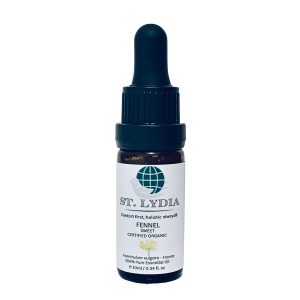
Sweet Fennel Organic Essential Oil (Foeniculum vulgare) – France
Price range: €7.00 through €49.00Sweet Fennel Organic Essential Oil (Foeniculum vulgare) – France
💰 VAT Included. 📦 Shipping calculated at checkout.
📦 🚚 Free nationwide delivery on orders over €60
Price range: €7.00 through €49.00 -
Frankincense Natural Essential Oil (Boswellia carterii) – Somalia
Price range: €18.00 through €140.00Frankincense Natural Essential Oil (Boswellia carterii) – Somalia
💰 VAT Included. 📦 Shipping calculated at checkout.
📦 🚚 Free nationwide delivery on orders over €60
Price range: €18.00 through €140.00 -
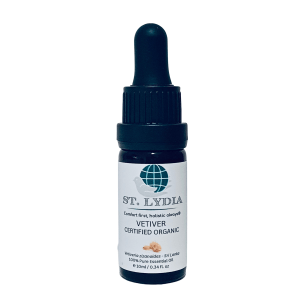
Vetiver Organic Essential Oil (Vetiveria zizanioides / Chrysopogon zizanioides) – Sri Lanka
Price range: €25.00 through €180.00Vetiver Organic Essential Oil (Vetiveria zizanioides / Chrysopogon zizanioides) – Sri Lanka
💰 VAT Included. 📦 Shipping calculated at checkout.
📦 🚚 Free nationwide delivery on orders over €60
Price range: €25.00 through €180.00 -
Galbanum Natural Essential Oil (Ferula galbaniflua) – France
Price range: €25.00 through €180.00Galbanum Natural Essential Oil (Ferula galbaniflua) – France
💰 VAT Included. 📦 Shipping calculated at checkout.
📦 🚚 Free nationwide delivery on orders over €60
Price range: €25.00 through €180.00

There are no reviews yet.