
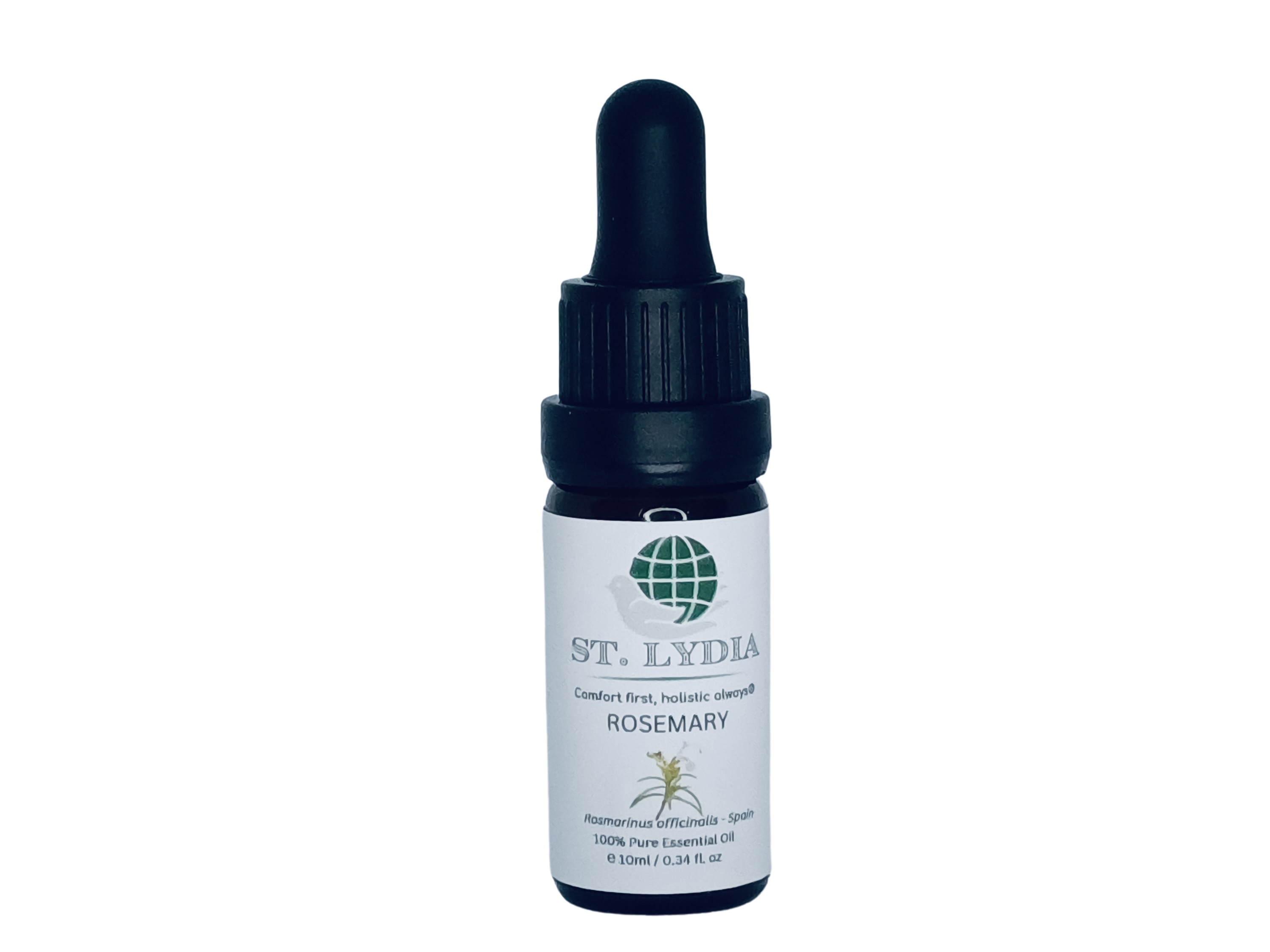
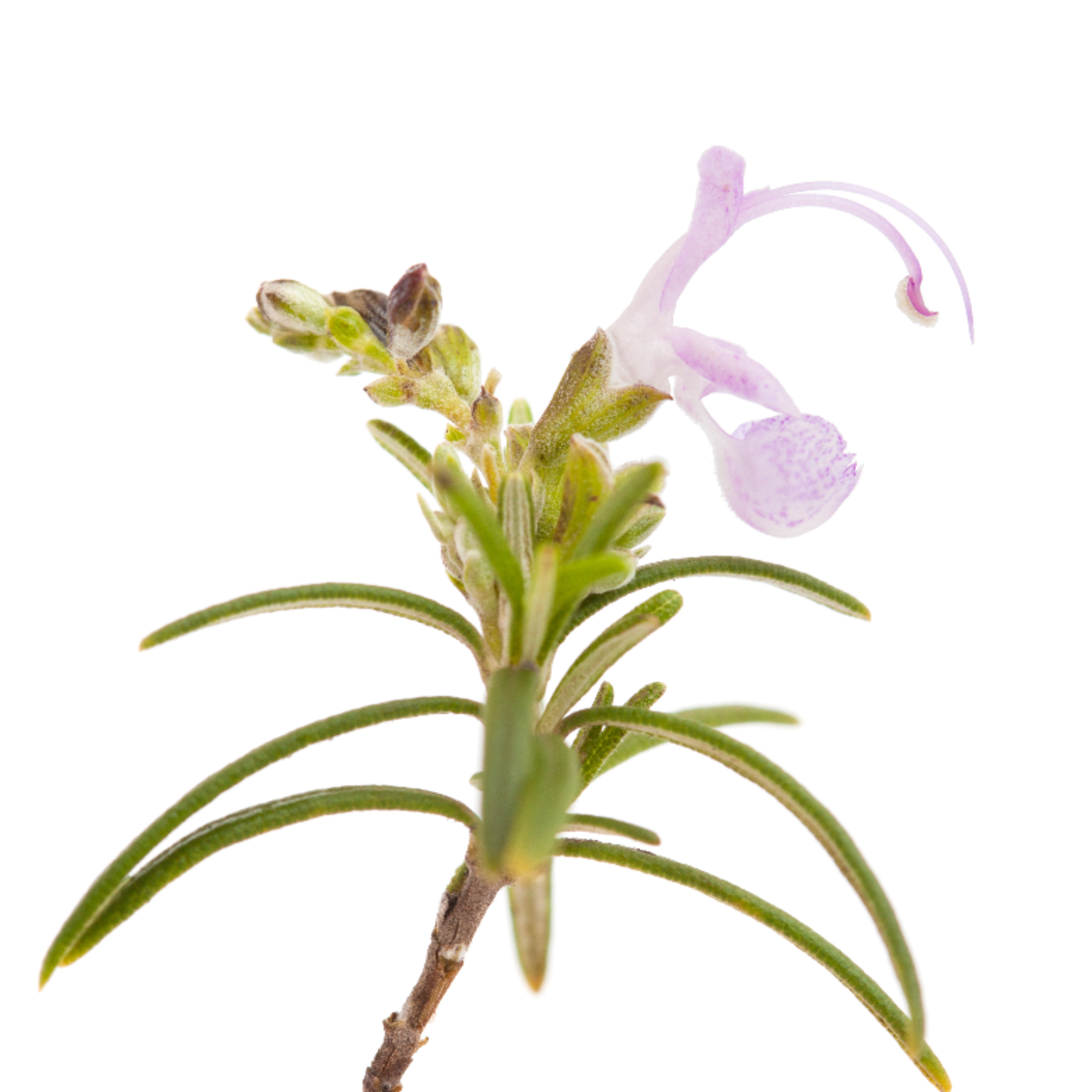

Rosemary Natural Essential Oil (Rosmarinus officinalis) – Spain
Price range: €7.00 through €54.00
💰 VAT Included. 📦 Shipping calculated at checkout.
📦 🚚 Free nationwide delivery on orders over €60
Description
Rosemary Natural Essential Oil
***Rosemary Natural Essential Oil – History***
Rosemary natural essential oil is extracted from the leaves and flowers of the Rosemary plant, scientifically known as Rosmarinus officinalis (now Salvia rosmarinus), which is native to the Mediterranean region. The botanical name, Rosmarinus, is derived from the Latin words ros (“dew”) and marinus (“of the sea”), which signifies its proximity to coastal areas. Rosemary has been utilised for centuries across various cultures for its medicinal properties and culinary applications. The ancient Greeks were among the pioneers in extensively documenting rosemary’s attributes, associating it with memory and cognitive enhancement.
Greek scholars, such as Dioscorides, the renowned physician, highly regarded rosemary for its therapeutic benefits. Greek students would braid rosemary into their hair or wear rosemary garlands during examinations, believing it would enhance their memory and concentration. The Romans also exhibited a profound appreciation for rosemary. It was regarded as a symbol of fidelity, leading brides and grooms to incorporate it into their wedding attire. Roman society further utilised rosemary in culinary practices, medicinal applications, and even cosmetic formulations. Pliny the Elder, the renowned Roman naturalist, meticulously recorded numerous of rosemary’s healing properties, encompassing its ability to improve digestion and alleviate coughs and sore throats.
During the Middle Ages, rosemary experienced a surge in popularity as a medicinal herb throughout Europe. Medieval physicians prescribed rosemary for a diverse range of ailments, including digestive disorders and joint pain. In the 14th century, Queen Elizabeth of Hungary reportedly utilised “Hungary Water,” a distilled rosemary tonic, to alleviate her rheumatism and maintain her youthful appearance. This elixir gained widespread recognition throughout Europe and emerged as one of the earliest known alcohol-based perfumes.
By the Renaissance, rosemary natural essential oil underwent extensive distillation and held significant value in European herbal medicine. Physicians and herbalists such as Nicholas Culpeper, a 17th Century English herbalist, meticulously documented rosemary’s potential benefits, highlighting its capacity to enhance memory, sharpen mental clarity, and treat a multitude of ailments, including headaches and hair loss. Rosemary oil became an integral component of European herbal medicine, employed to address a wide spectrum of conditions, including muscle aches, respiratory issues, anxiety, and skin conditions. Many women during this era incorporated rosemary into their beauty routines, applying it to their hair and skin to enhance their appearance.
***Rosemary Natural Essential Oil – Benefits***
In contemporary aromatherapy, rosemary natural essential oil is used for its invigorating, uplifting, and clarifying attributes. Scientific research has substantiated its cognitive benefits, which are associated with enhanced memory and mental concentration. It is believed to alleviate stress, anxiety, fatigue, and promote overall emotional well-being when diffused. Inhalation of rosemary essential oil vapour may alleviate respiratory congestion, coughs, and sinusitis.
Topical application of rosemary natural essential oil may alleviate muscle pain, arthritis, and headaches. Its analgesic and anti-inflammatory properties provide relief from discomfort and promote relaxation. Rosemary oil’s antimicrobial and antioxidant properties make it an effective immune booster in aromatherapy. It may combat infections and protect against free radicals. Rosemary oil continues to be a prevalent ingredient in personal care products and homeopathic treatments for hair and skin health. Given its potent properties and diverse applications, rosemary essential oil is an invaluable addition to any aromatherapy collection, contributing to mental and physical well-being in various ways.
✅ 100% Pure Natural Essential Oil
✅ Vegan-friendly and Cruelty-free
***Botanical Name*** Rosmarinus officinalis / Salvia rosmarinus
***Family*** Lamiaceae
***Origin*** Spain
***Plant Part*** Leaves
***Extraction Method*** Steam Distillation
***Aroma*** It has a fresh, herbaceous, sweet and slightly medicinal aroma.
***Colour*** Clear
***Consistency*** Thin
***Note*** Middle
***Strength*** Strong
***Blends With*** Rosemary natural essential oil harmonises well with a diverse range of essential oils, including Frankincense, Myrrh, Bergamot, Ginger, Orange, Geranium, Peppermint, and Lemon. These are merely a few examples of essential oils that complement rosemary natural essential oil. By experimenting with various combinations, you can create distinctive aromas that cater to your preferences and therapeutic objectives.
***Chemical Composition*** Rosemary natural essential oil is composed of a wide variety of chemical compounds that contribute to its therapeutic properties. The exact composition can vary depending on factors like the geographic origin and the method of extraction. However, the primary chemical constituents of rosemary natural essential oil are as follows: α-Pinene, Camphor, 1,8-Cineole (Eucalyptol), γ-Terpinene, Camphene, Limonene, and β-Pinene. While these are the primary constituents, the oil may also contain minor components in smaller quantities, which collectively contribute to its overall aroma and therapeutic properties.
***Storage Conditions*** Store rosemary natural essential oil in a cool, dark location, shielded from direct sunlight, to prevent oxidation and degradation of its aromatic and therapeutic properties.
***Shelf Life*** 1 – 2 years
***Product Safety*** Free from potentially harmful substances like sulphates, parabens, phthalates, synthetic fragrances, formaldehydes, and mineral oil.
⚠️Caution⚠️ Rosemary natural essential oil is a popular oil with various benefits, but it’s important to be aware of potential cautions and considerations when using it:
- ***Skin Irritation*** Rosemary natural essential oil is potent and can cause skin irritation or allergic reactions in some individuals, particularly those with sensitive skin. Always perform a patch test by diluting the oil in a carrier oil (such as coconut oil or jojoba oil) and applying a small amount to a small area of skin to check for any adverse reactions before using it more extensively. Avoid contact with eyes, inner ears, and sensitive areas.
- ***Pregnancy and Nursing*** Pregnant women should avoid using rosemary natural essential oil, especially during the first trimester, as it may stimulate menstruation and potentially lead to complications. Consult with a healthcare professional before using it during pregnancy or while breastfeeding.
- ***Children and Pets*** Essential oils should be used with caution around children and pets. Rosemary essential oil, especially in its undiluted form, can be too strong for them. Keep it out of reach of children, and be cautious when diffusing it around pets, as it may be toxic to them if ingested.
- ***Internal Use*** While rosemary natural essential oil is commonly used in culinary applications, ingesting rosemary essential oil can be toxic and may lead to adverse effects such as vomiting, abdominal pain, and kidney damage. Always use food-grade rosemary oil from reputable sources and consult with a healthcare professional before internal use.
- ***Medical Conditions*** Rosemary natural essential oil is known to stimulate circulation and raise blood pressure. Individuals with hypertension or other cardiovascular conditions should use rosemary essential oil with caution or avoid it altogether. If you have any concerns about its effects on blood pressure, consult with a healthcare provider. Rosemary essential oil contains camphor, which can trigger seizures in some individuals, especially those with epilepsy or a history of seizures. If you have epilepsy or a seizure disorder, it’s best to avoid using rosemary essential oil. Rosemary essential oil may interact with certain medications, including blood thinners, diabetes medications, and ACE inhibitors. If you are taking any medications, consult with a healthcare professional before using rosemary essential oil to avoid potential interactions.
- ***Allergies*** Some individuals may be allergic to rosemary essential oil. If you have allergies to other members of the Lamiaceae family (such as mint or lavender), you may be more likely to have an allergic reaction to rosemary essential oil. Symptoms may include skin irritation and swelling. Always discontinue use if you experience any signs of an allergic reaction.
***Note*** Although essential oils have a longstanding history of use and are valued for their potential benefits, individual experiences may vary.
Additional information
| Directions For Use | There are many ways to enjoy the benefits of essential oils. You can use one or more oils mixed together to make your own remedy. MASSAGE: This is recognised as the most effective way of using essential oils, particularly as it couples the soothing power of touch with the benefits of the oils. To make massage oil, dilute 4 drops of essential oils into 10ml (2 teaspoons) of Carrier Oil. AROMATIC: Diffusing essential oils into the air using a diffuser can act as a natural room freshener, promote relaxation, improve mood, and help with stress relief. BATHING: Essential oils can be used in bath but only after emulsifying. So, if you want to use naturally extracted essential oil in bath, emulsify it prior to use. And for emulsifying, it is suggested to use a solubiliser such as Solubol (Dispersant) and follow the usage guidelines provided by your vendor. Add this blend to your running bath water and mix very well before getting into the tub. When essential oils are added in bath tub without emulsifying, they won't disperse but float on the water and directly react with the skin. INHALATION: This is a good way to relieve cold and congestion with essential oils. |
|---|---|
| Essential Oil Dilution Guide | Welcome to our essential oil dilution guide for topical and perfume use, where we'll explore the art and science of blending essential oils with carrier oils or alcohol for safe and effective application on the skin. Whether you're new to aromatherapy or seeking to enhance your knowledge, this guide will provide you with practical insights and guidelines for diluting essential oils to maximise their therapeutic benefits while minimising the risk of adverse reactions. From general dilution ratios for adults to considerations for children, sensitive individuals, and specific applications, we'll equip you with the knowledge and confidence to create customised blends tailored to your needs. Let's dive in and unlock the secrets of safe and effective topical use of essential oils! Here's a general guide for diluting essential oils for topical use: Remember that these are general guidelines, and individual preferences and sensitivities may vary. It's always a good idea to start with a lower dilution and adjust as needed based on your personal experience and comfort level. If you have any concerns or specific health conditions, consult with a qualified aromatherapist or healthcare professional for personalised guidance. When creating perfumes with essential oils, you'll typically work with higher concentrations of essential oils compared to topical applications. Here's a general guide for diluting essential oils for perfumery: Remember that creating perfumes is an art form, and there are no strict rules. Trust your senses and intuition as you explore different essential oil combinations and concentrations to create your signature scent. Keep detailed records of your formulations for future reference and refinement. |
| Packaging | 10ml and 30ml essential oils are packaged in amber glass dropper bottles with pipette for easy application. Larger sizes are packaged in amber screw cap bottles and do not come with droppers. |
Related products
-
Helichrysum Natural Essential Oil (Helichrysum splendidum) – South Africa
Price range: €45.00 through €300.00Helichrysum Natural Essential Oil (Helichrysum splendidum) – South Africa
💰 VAT Included. 📦 Shipping calculated at checkout.
📦 🚚 Free nationwide delivery on orders over €60
Price range: €45.00 through €300.00 -
Jamarosa Natural Essential Oil (Cymbopogon nardus x Cymbopogon jwarancusa) – India
Price range: €11.00 through €65.00Jamarosa Natural Essential Oil (Cymbopogon nardus x Cymbopogon jwarancusa) – India
💰 VAT Included. 📦 Shipping calculated at checkout.
📦 🚚 Free nationwide delivery on orders over €60
Price range: €11.00 through €65.00 -
Clary Sage Natural Essential Oil (Salvia sclarea L.) – France
Price range: €12.00 through €92.00Clary Sage Natural Essential Oil (Salvia sclarea L.) – France
VAT Included. Shipping calculated at checkout.
Free nationwide delivery on orders over €60
Price range: €12.00 through €92.00 -
Rosemary Organic Essential Oil (Rosmarinus officinalis) – Spain
Price range: €9.00 through €70.00Rosemary Organic Essential Oil (Rosmarinus officinalis) – Spain
💰 VAT Included. 📦 Shipping calculated at checkout.
📦 🚚 Free nationwide delivery on orders over €60
Price range: €9.00 through €70.00

There are no reviews yet.